Genre
mizrahi
Top Mizrahi Artists
Showing 25 of 1,152 artists


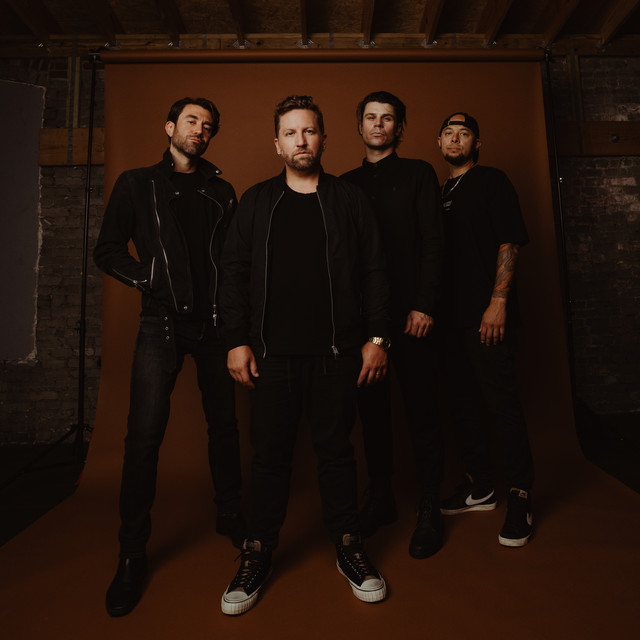

5

אודיה
Israel
406,879
776,795 listeners
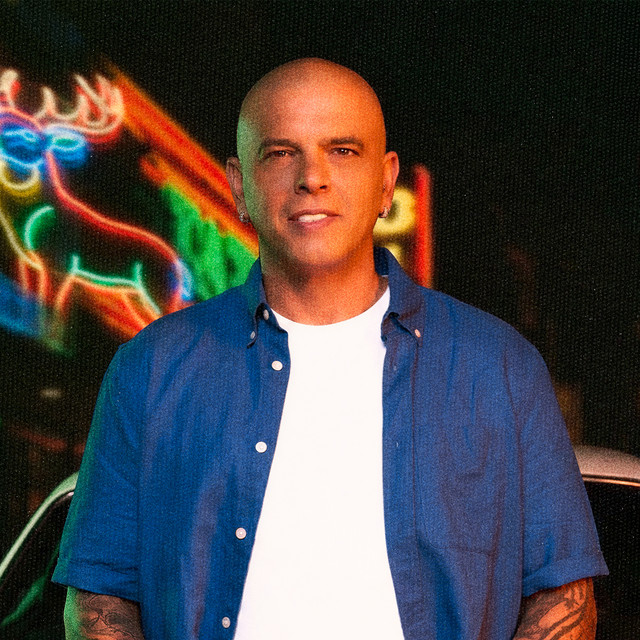
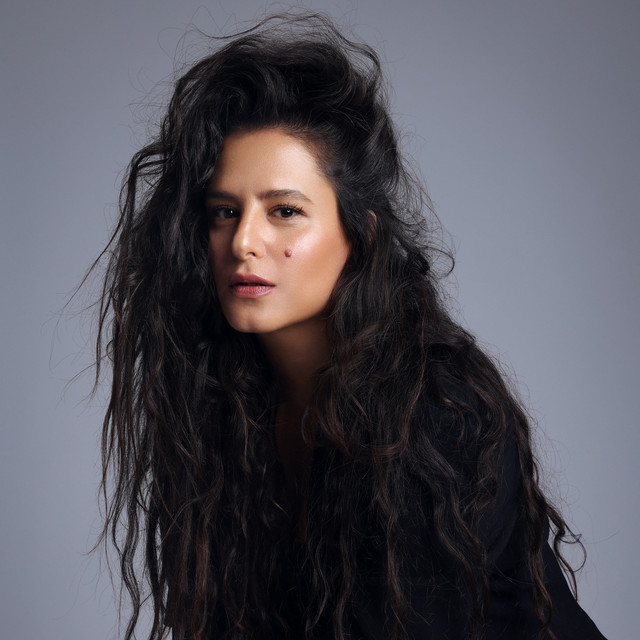
6

פאר טסי
Israel
440,256
768,751 listeners



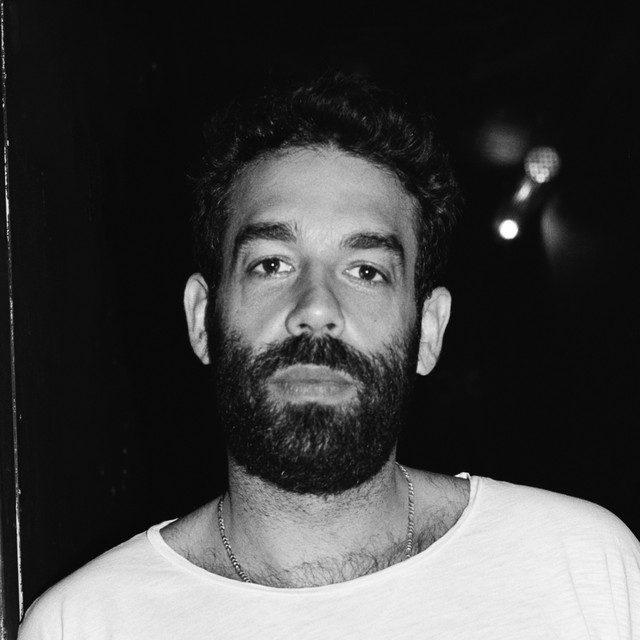






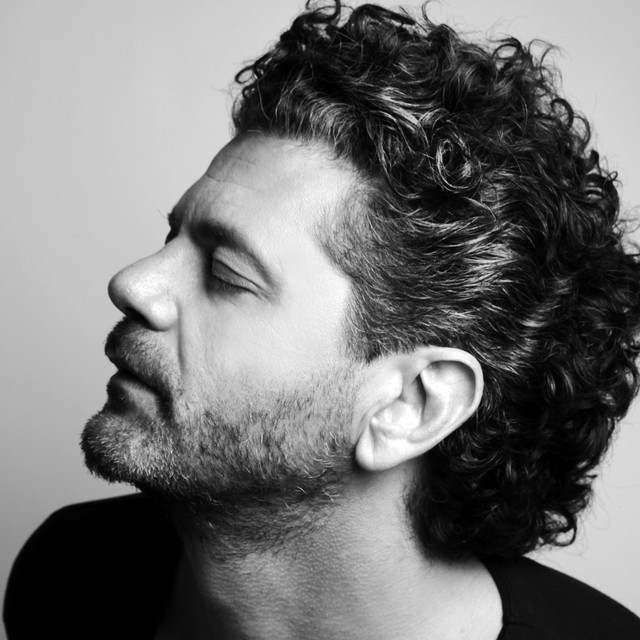
18

חנן בן ארי
783,393
504,249 listeners


About Mizrahi
Mizrahi music is the umbrella term for Jewish popular and traditional music rooted in the music of Jews from the Middle East and North Africa. It encompasses liturgical melodies, folk songs from communities in Iraq, Morocco, Yemen, Iran, Turkey, Libya and beyond, and the modern pop and electronic blends that Israelis and other diaspora listeners have embraced since the mid-20th century. In practice, Mizrahi music often fuses Arabic scales and rhythms with Hebrew lyrics, or Arabic melodies sung in Hebrew, creating a distinct, expressive Mediterranean mood that can be both hypnotic and exuberant.
The genre’s roots run deep in the diasporic communities of Sephardic and Mizrahi Jews. Before being reframed as “Mizrahi” in Israel, these sounds lived in synagogues, weddings and street markets, carried by generations who spoke Judeo-Arabic, Judeo-Persian or Judeo-Maghrebi dialects. In Israel, the scene crystallized in the 1950s through the 1970s as native Middle Eastern and North African Jewish musicians began to cross over from traditional performance into contemporary popular music. A key turning point was the emergence of artists who married traditional modes with Western pop structures, setting the template for what would become Mizrahi pop.
Historically, Aris San—often cited as one of the early catalysts by introducing Arab-flavored melodies to a broad Israeli audience—helped popularize a Mediterranean sound that would inform many later productions. In the 1970s and 1980s, Zohar Argov, known as the King of Mizrahi music, became the genre’s defining voice with powerful, emotive delivery and a repertoire built on heartbreak, street-life poetry and quintessentially neon Hebrew phrasing. His legacy helped cement Mizrahi as a mainstream force in Israel.
In the modern era, the genre has expanded far beyond its roots. Contemporary Mizrahi stars blend traditional motifs with diverse urban sounds: pop, hip-hop, hip-hop-infused club rhythms, and electronic textures. Notable ambassadors include Ofra Haza, whose Yemenite-inflected vocalism and world-music crossover made waves internationally with hits like Im Nin’alu, bringing a Yemenite sound to global pop and dance floors. In Israel today, artists such as Eyal Golan, Sarit Hadad, and Omer Adam keep the sound vital—each bringing a distinct voice, from classical-to-modern, and appealing to new generations while honoring the genre’s roots.
What makes Mizrahi music appealing to enthusiasts is its sonic palette and emotional breadth. The instrumentation often features darbuka (goblet drum), oud, clarinet, qanun, and vibrant percussion, sometimes arranged with lush string sections or contemporary electronics. The melodies lean on maqam-like scales, microtones, and call-and-response textures that evoke the music of the Arab world even as the lyrics speak Hebrew or blend both languages. Rhythmically, you’ll hear dabke and belly-dance-inspired patterns alongside contemporary dance grooves.
Mizrahi music is most popular in Israel, where it is part of the national sonic identity, but it resonates in diaspora communities across North America and Europe, and among listeners interested in world and Latin-inflected pop. It remains a living, evolving genre: a bridge between sacred liturgy, street storytelling, and global pop sensibilities, inviting explorers of rhythm and heritage to dive into its sunlit, rhythmic world.
The genre’s roots run deep in the diasporic communities of Sephardic and Mizrahi Jews. Before being reframed as “Mizrahi” in Israel, these sounds lived in synagogues, weddings and street markets, carried by generations who spoke Judeo-Arabic, Judeo-Persian or Judeo-Maghrebi dialects. In Israel, the scene crystallized in the 1950s through the 1970s as native Middle Eastern and North African Jewish musicians began to cross over from traditional performance into contemporary popular music. A key turning point was the emergence of artists who married traditional modes with Western pop structures, setting the template for what would become Mizrahi pop.
Historically, Aris San—often cited as one of the early catalysts by introducing Arab-flavored melodies to a broad Israeli audience—helped popularize a Mediterranean sound that would inform many later productions. In the 1970s and 1980s, Zohar Argov, known as the King of Mizrahi music, became the genre’s defining voice with powerful, emotive delivery and a repertoire built on heartbreak, street-life poetry and quintessentially neon Hebrew phrasing. His legacy helped cement Mizrahi as a mainstream force in Israel.
In the modern era, the genre has expanded far beyond its roots. Contemporary Mizrahi stars blend traditional motifs with diverse urban sounds: pop, hip-hop, hip-hop-infused club rhythms, and electronic textures. Notable ambassadors include Ofra Haza, whose Yemenite-inflected vocalism and world-music crossover made waves internationally with hits like Im Nin’alu, bringing a Yemenite sound to global pop and dance floors. In Israel today, artists such as Eyal Golan, Sarit Hadad, and Omer Adam keep the sound vital—each bringing a distinct voice, from classical-to-modern, and appealing to new generations while honoring the genre’s roots.
What makes Mizrahi music appealing to enthusiasts is its sonic palette and emotional breadth. The instrumentation often features darbuka (goblet drum), oud, clarinet, qanun, and vibrant percussion, sometimes arranged with lush string sections or contemporary electronics. The melodies lean on maqam-like scales, microtones, and call-and-response textures that evoke the music of the Arab world even as the lyrics speak Hebrew or blend both languages. Rhythmically, you’ll hear dabke and belly-dance-inspired patterns alongside contemporary dance grooves.
Mizrahi music is most popular in Israel, where it is part of the national sonic identity, but it resonates in diaspora communities across North America and Europe, and among listeners interested in world and Latin-inflected pop. It remains a living, evolving genre: a bridge between sacred liturgy, street storytelling, and global pop sensibilities, inviting explorers of rhythm and heritage to dive into its sunlit, rhythmic world.