Genre
sami
Top Sami Artists
Showing 25 of 97 artists












About Sami
Sámi music, often referred to in its traditional form as joik (also yoik), is one of Europe’s oldest living vocal traditions and a central pillar of Sámi identity in the Arctic north. Rooted in the cultural landscape of Sápmi—the Indigenous homeland spanning parts of Norway, Sweden, Finland, and Russia—the genre blends ritual significance, memory, and a distinctive vocal language that can evoke a person, place, or animal with a single, unfolding melody. Although the tradition is ancient, it has continually adapted, absorbing modern textures while preserving its core sense of presence and inimitable sonority.
Origins and form
Joik is not a narrative song in the conventional sense; it is a sonic portrait. A joik singer seeks to “evoke” a subject rather than tell a story in words. The practice is deeply communal and spiritual, historically connected to shamanic and rite practices, and was historically performed with minimal accompaniment, often a cappella, sometimes with a drum or simple percussion. Its melodies are typically spare, meditative, and highly personal, capable of conveying atmosphere and memory in a way that literary lyrics do not. The tradition dates back many centuries, with written references emerging in early modern Scandinavian sources, but the heart of joik lies in an age-old oral culture that predates modern nation-states.
From suppression to renaissance
In the 19th and 20th centuries, Sámi music faced pressure from assimilation policies, yet it survived as a living, practiced art form. The late 20th century brought a renaissance: Sámi artists embraced cross-genre collaboration, using joik as a springboard into jazz, rock, electronic, and world music contexts. This revival helped bring Sámi music to international stages and to festivals around the world, where listeners encounter a tradition that remains intimate yet expansive, capable of powering intimate ballads and expansive soundscapes alike.
Key artists and ambassadors
- Mari Boine (Norway): Perhaps the most widely recognized Sámi artist, Boine fused joik with jazz and folk, translating a deep Sámi voice into a global language. Her work in the 1980s and beyond opened doors for world music audiences.
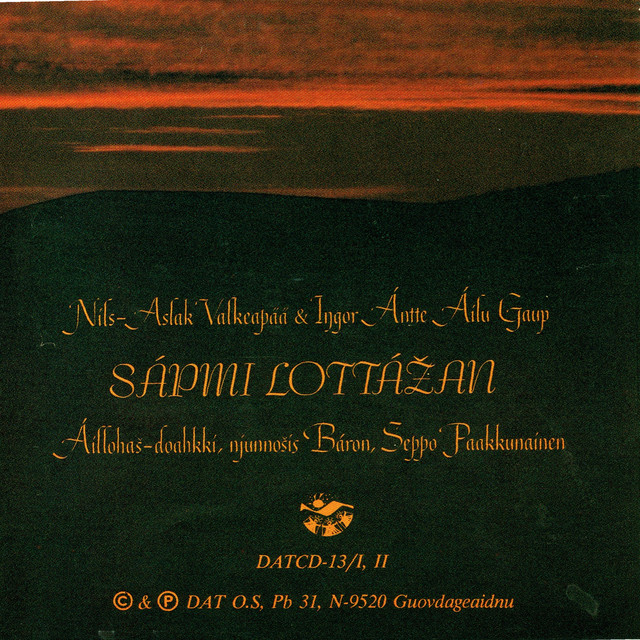
- Nils-Aslak Valkeapää, Áillohaš (Finland): A foundational figure, Valkeapää was a poet, visual artist, and musician whose multi-disciplinary output helped define Sámi modern artistry and politics. His joik-infused works became touchstones for later generations.
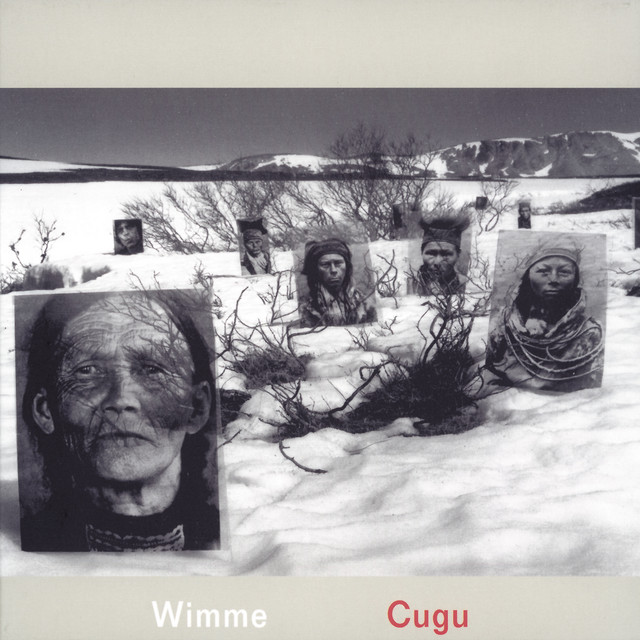
- Wimme Saari (Finland): A leading contemporary joik performer whose intimate, horizon-spanning voice and collaborations pushed the tradition into contemporary, ambient-tinged realms.
- Angelit (Finnish Sámi group): An influential collective that blended traditional Sami elements with modern pop/folk sensibilities, broadening the appeal of the genre in Europe.
Geography and reach
The core audience remains in Sápmi—Norway, Sweden, and Finland—with the Sámi diaspora in other Nordic countries and Russia. Beyond the Nordic region, the genre has found a robust niche within world music circuits in Germany, the United Kingdom, the Netherlands, and North America through festivals and cross-cultural collaborations. The appeal lies in its stark emotionality, ceremonial aura, and the sense that listening to joik is to glimpse a landscape, memory, and presence all at once.
For music enthusiasts, Sámi music offers a doorway to a deep, ancient tradition that has become urgently contemporary. Its sounds—intimate, elemental, and unafraid of openness—invite both reverence and exploration, making Sámi artists perennial ambassadors for Arctic music and Indigenous voice.
Origins and form
Joik is not a narrative song in the conventional sense; it is a sonic portrait. A joik singer seeks to “evoke” a subject rather than tell a story in words. The practice is deeply communal and spiritual, historically connected to shamanic and rite practices, and was historically performed with minimal accompaniment, often a cappella, sometimes with a drum or simple percussion. Its melodies are typically spare, meditative, and highly personal, capable of conveying atmosphere and memory in a way that literary lyrics do not. The tradition dates back many centuries, with written references emerging in early modern Scandinavian sources, but the heart of joik lies in an age-old oral culture that predates modern nation-states.
From suppression to renaissance
In the 19th and 20th centuries, Sámi music faced pressure from assimilation policies, yet it survived as a living, practiced art form. The late 20th century brought a renaissance: Sámi artists embraced cross-genre collaboration, using joik as a springboard into jazz, rock, electronic, and world music contexts. This revival helped bring Sámi music to international stages and to festivals around the world, where listeners encounter a tradition that remains intimate yet expansive, capable of powering intimate ballads and expansive soundscapes alike.
Key artists and ambassadors
- Mari Boine (Norway): Perhaps the most widely recognized Sámi artist, Boine fused joik with jazz and folk, translating a deep Sámi voice into a global language. Her work in the 1980s and beyond opened doors for world music audiences.
- Nils-Aslak Valkeapää, Áillohaš (Finland): A foundational figure, Valkeapää was a poet, visual artist, and musician whose multi-disciplinary output helped define Sámi modern artistry and politics. His joik-infused works became touchstones for later generations.
- Wimme Saari (Finland): A leading contemporary joik performer whose intimate, horizon-spanning voice and collaborations pushed the tradition into contemporary, ambient-tinged realms.
- Angelit (Finnish Sámi group): An influential collective that blended traditional Sami elements with modern pop/folk sensibilities, broadening the appeal of the genre in Europe.
Geography and reach
The core audience remains in Sápmi—Norway, Sweden, and Finland—with the Sámi diaspora in other Nordic countries and Russia. Beyond the Nordic region, the genre has found a robust niche within world music circuits in Germany, the United Kingdom, the Netherlands, and North America through festivals and cross-cultural collaborations. The appeal lies in its stark emotionality, ceremonial aura, and the sense that listening to joik is to glimpse a landscape, memory, and presence all at once.
For music enthusiasts, Sámi music offers a doorway to a deep, ancient tradition that has become urgently contemporary. Its sounds—intimate, elemental, and unafraid of openness—invite both reverence and exploration, making Sámi artists perennial ambassadors for Arctic music and Indigenous voice.