Genre
samurai trap
Top Samurai trap Artists
Showing 25 of 51 artists

















About Samurai trap
Samurai trap is a hybrid that fuses the kinetic swing of modern trap with the austere, ceremonial aura of samurai imagery and Japanese folklore. Born at the fringes of the global trap craze, the genre began to crystallize in the late 2010s and into the early 2020s as producers from Japan and beyond started merging 808 bass, punchy drums, and skittering hi-hats with traditional timbres and cinematic textures. It isn’t one track or one moment so much as a wave of experiments: taiko-driven pulse paired with sharp 808 snare hits, or shamisen and koto phrases threaded through ominous sub-bass, all stitched together by samples or spoken word drawn from samurai cinema and historical rhetoric.
Sonic character is the genre’s calling card. You’ll hear the club-ready drums and tempo-flexible grooves typical of trap—often hovering around the 130–150 BPM range—shot through with martial, discipline-forward mood. The melodic bed tends to sit in minor tonalities or pentatonic lines, evoking both martial ceremony and nocturnal cityscape. Traditional Japanese timbres—taiko drums, shamisen strings, koto arpeggios, shakuhachi flutes—appear as accents, not merely ornamentation, sometimes chopped into glitchy textures or stretched into cinematic drones. Vocal samples or field recordings from samurai cinema, ukiyo-e narration, or whispered mantras frequently punctuate the mix, providing moments of solemn gravity before a bass drop or a rapid-fire hi-hat cascade reasserts momentum.
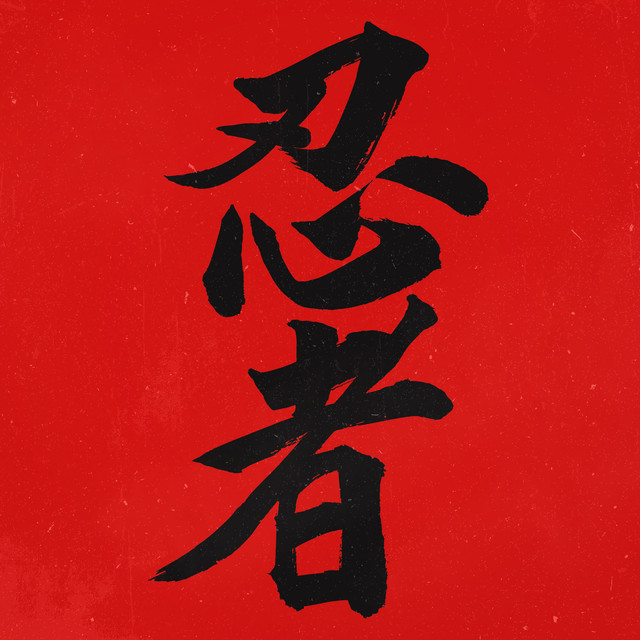
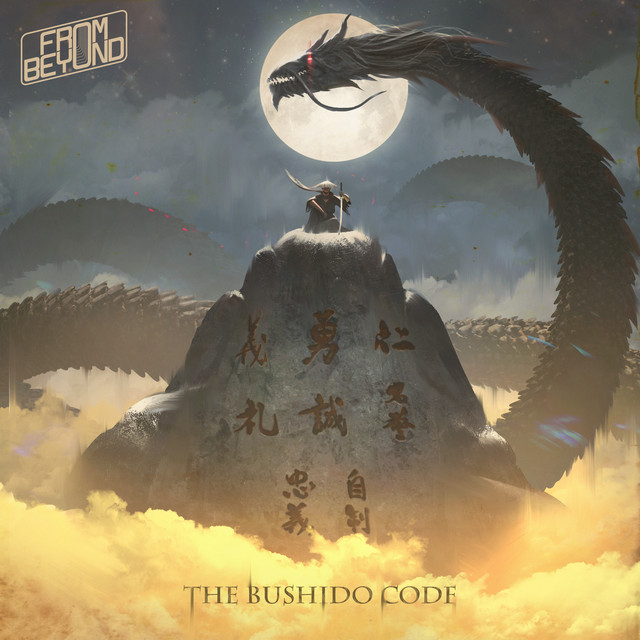
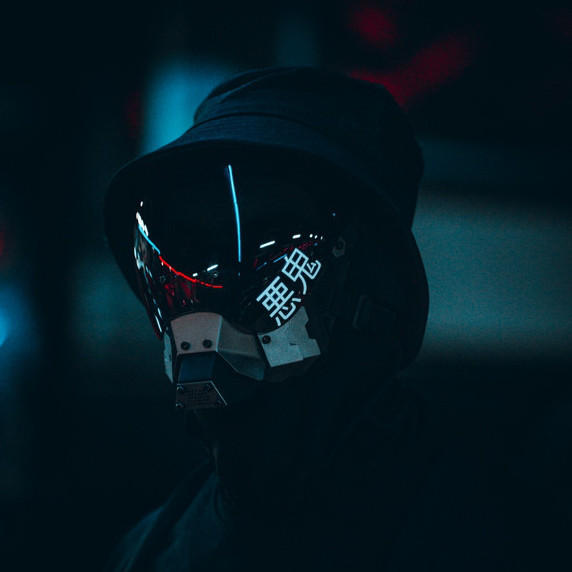
Production aesthetics emphasize contrast and theater. Expect clean, tight drum machine work interlaced with reverb-drenched ambience, cinematic sweeps, and string pads that swell like a battle march. The texture often shifts from sparse, introspective openings to explosive, floor-thudding drops, mirroring a mental arc from contemplation to confrontation. Visuals accompanying the music—videos, live sets, and prints—lean into martial codes: lacquered armor textures, minimalist kanji typography, neon-lit dojo aesthetics, and choreographed stage movements that stage the music as a modern duel rather than a mere club experience.
Ambassadors of the genre are still coalescing, reflective of samurai trap’s status as an evolving scene rather than a fixed canon. A broad, international cohort—producers and beatmakers rooted in Tokyo, Osaka, Seoul, Los Angeles, and London—are often cited as leading voices. They foreground martial imagery and cinematic storytelling in both sound and presentation, and they foster cross-border collaborations that blend Japanese motifs with Western trap sensibilities. Labels and collectives focused on experimental beat culture, soundtrack-inspired productions, and cross-cultural fusions regularly spotlight samurai trap, helping tracks find audiences among anime and gaming communities, cinephile listeners, and underground electronic fans alike.
Countries where samurai trap has found resonance tend to mirror broader interest in Japanese pop culture and adventurous beat scenes: Japan serves as a core hub, with growing pockets of fans and producers in South Korea, the United States, and parts of Europe. Streaming playlists, specialty radio shows, and boutique festivals have started to feature it, often alongside other fusion styles that fuse hip-hop, electronic, and traditional instruments.
Ultimately, samurai trap is less about a rigid template than a mood—an invitation to fuse ancient codes of honor with contemporary sound design. It rewards listeners who lean into the tension between austere restraint and riotous energy, between ceremonial solemnity and club-forward bass. As more artists contribute to its canon, the genre’s definition will continue to unfold—one track, one video, and one collaboration at a time.
Sonic character is the genre’s calling card. You’ll hear the club-ready drums and tempo-flexible grooves typical of trap—often hovering around the 130–150 BPM range—shot through with martial, discipline-forward mood. The melodic bed tends to sit in minor tonalities or pentatonic lines, evoking both martial ceremony and nocturnal cityscape. Traditional Japanese timbres—taiko drums, shamisen strings, koto arpeggios, shakuhachi flutes—appear as accents, not merely ornamentation, sometimes chopped into glitchy textures or stretched into cinematic drones. Vocal samples or field recordings from samurai cinema, ukiyo-e narration, or whispered mantras frequently punctuate the mix, providing moments of solemn gravity before a bass drop or a rapid-fire hi-hat cascade reasserts momentum.
Production aesthetics emphasize contrast and theater. Expect clean, tight drum machine work interlaced with reverb-drenched ambience, cinematic sweeps, and string pads that swell like a battle march. The texture often shifts from sparse, introspective openings to explosive, floor-thudding drops, mirroring a mental arc from contemplation to confrontation. Visuals accompanying the music—videos, live sets, and prints—lean into martial codes: lacquered armor textures, minimalist kanji typography, neon-lit dojo aesthetics, and choreographed stage movements that stage the music as a modern duel rather than a mere club experience.
Ambassadors of the genre are still coalescing, reflective of samurai trap’s status as an evolving scene rather than a fixed canon. A broad, international cohort—producers and beatmakers rooted in Tokyo, Osaka, Seoul, Los Angeles, and London—are often cited as leading voices. They foreground martial imagery and cinematic storytelling in both sound and presentation, and they foster cross-border collaborations that blend Japanese motifs with Western trap sensibilities. Labels and collectives focused on experimental beat culture, soundtrack-inspired productions, and cross-cultural fusions regularly spotlight samurai trap, helping tracks find audiences among anime and gaming communities, cinephile listeners, and underground electronic fans alike.
Countries where samurai trap has found resonance tend to mirror broader interest in Japanese pop culture and adventurous beat scenes: Japan serves as a core hub, with growing pockets of fans and producers in South Korea, the United States, and parts of Europe. Streaming playlists, specialty radio shows, and boutique festivals have started to feature it, often alongside other fusion styles that fuse hip-hop, electronic, and traditional instruments.
Ultimately, samurai trap is less about a rigid template than a mood—an invitation to fuse ancient codes of honor with contemporary sound design. It rewards listeners who lean into the tension between austere restraint and riotous energy, between ceremonial solemnity and club-forward bass. As more artists contribute to its canon, the genre’s definition will continue to unfold—one track, one video, and one collaboration at a time.