Genre
santali pop
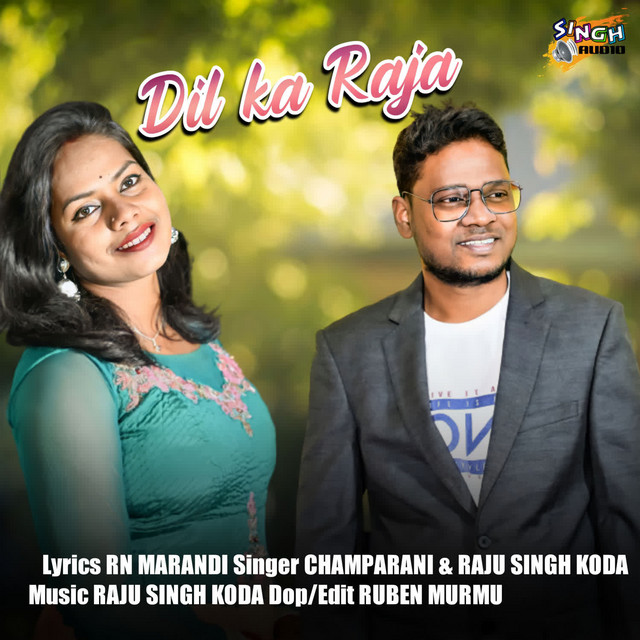
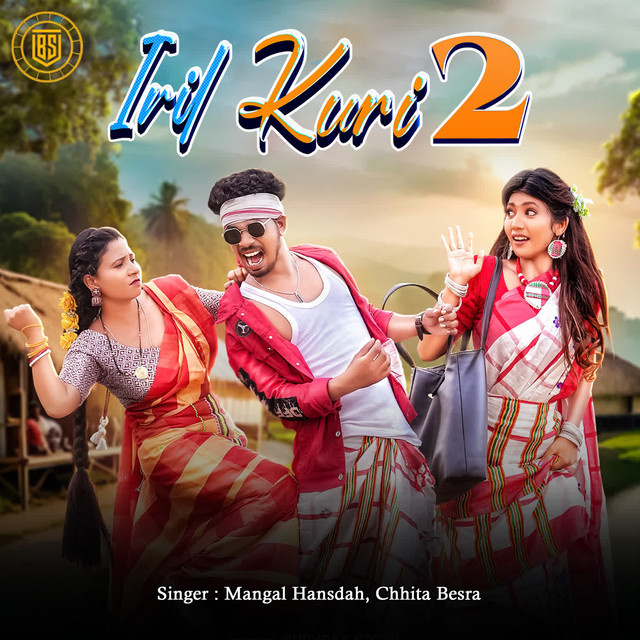
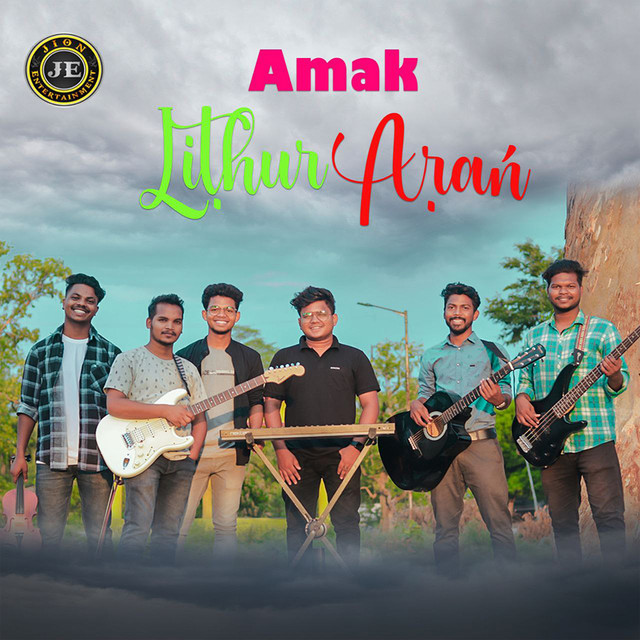
Top Santali pop Artists
Showing 25 of 39 artists



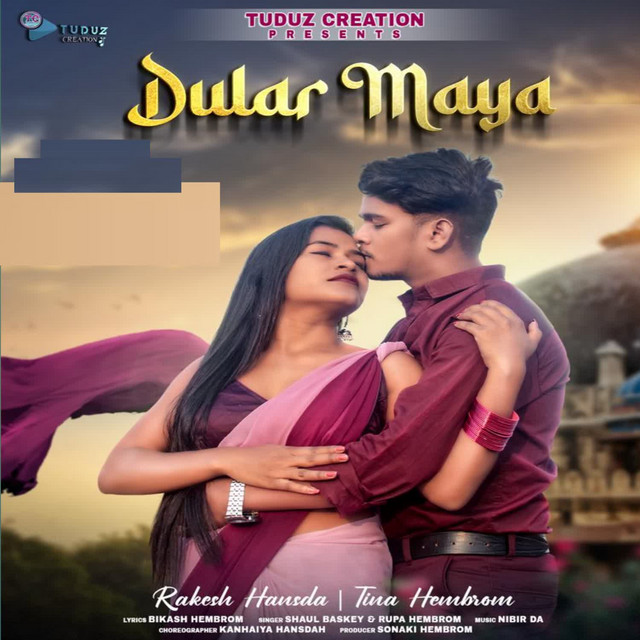


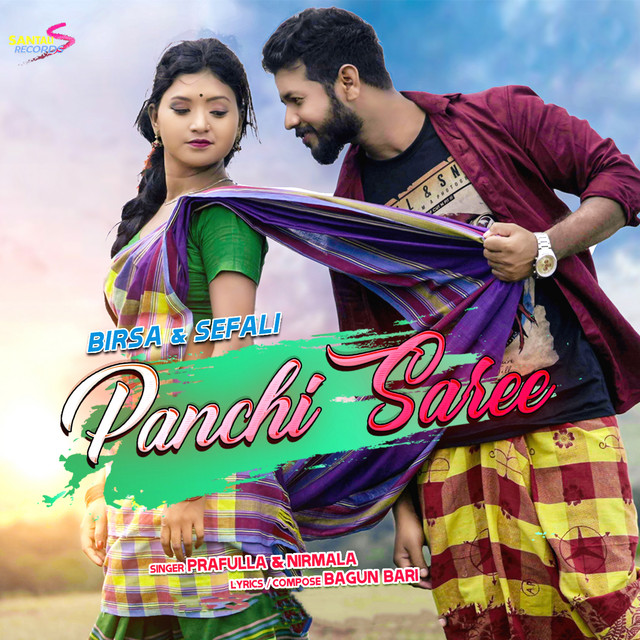





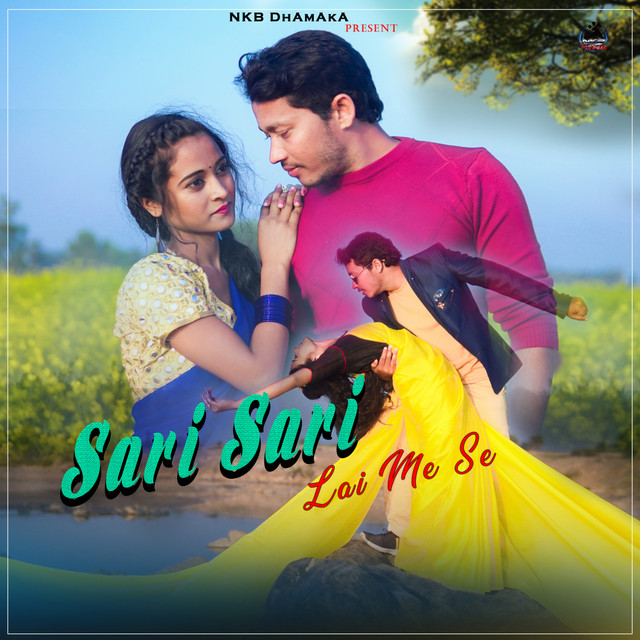

About Santali pop
Santali pop is a contemporary fusion that sits at the crossroads of deep-rooted Santal folk traditions and the glossy textures of modern pop. It isn’t a single, codified genre with a fixed canon, but rather a living, evolving scene where Santali-language songs are produced, streamed, and performed with the snap and polish of today’s global pop palettes. Its roots lie in the music of the Santal people, a large Indigenous community in eastern India (primarily Jharkhand, with vibrant clusters in Odisha and West Bengal) and in neighboring regions of Bangladesh and Nepal. The movement gained momentum in the wake of broader regional-pop trends and the democratization of music-making through affordable recording gear and online platforms in the 2000s and 2010s.
A key foundational fact about Santali music is linguistic and cultural pride. The Santali language has its own script, Ol Chiki, introduced in 1925 by Raghunath Murmu to better preserve and standardize the language. This literacy and revival impulse has fed directly into the music, encouraging artists to craft songs entirely in Santali while embracing universal pop hooks and production sensibilities. Santali pop borrows the immediacy and accessibility of pop—catchy melodies, memorable choruses, strong rhythmic beats—while preserving authentic Santali intonation, storytelling, and social themes.
In practice, Santali pop blends traditional sensibilities with electronic beats, guitar-driven grooves, and studio production that favors clean drops and dynamic verses. Lyrically, many songs foreground contemporary youth life—love, migration, education, and the tension between rural roots and urban opportunities—while weaving in timeless motifs from Santal folklore and communal celebrations. The result is music that feels both familiar to listeners of mainstream pop and distinctly local to Santal culture, offering a sonic passport to diasporic and regional audiences alike.
Geographically, Santali pop is most strongly rooted in India’s eastern belt—Jharkhand in particular—where regional labels, local radio, and festival circuits nurture new work. It also has a significant presence in neighboring West Bengal and Odisha, where Santali-speaking audiences intersect with broader Indian pop scenes. Beyond the Indian subcontinent, there are Santali-speaking communities in Bangladesh and Nepal, and a growing diaspora footprint in the United Kingdom, United States, and parts of the Middle East, where artists often collaborate with other regional acts or remix their tracks for cross-cultural appeal. Streaming platforms have accelerated its reach, allowing artists to release singles and EPs directly to global listeners hungry for diverse language-based pop.
Ambassadors of Santali pop are the artists and producers who champion the language in contemporary pop spaces—pioneers who blend regional authenticity with universal pop appeal, and who collaborate with broader Indian indie and mainstream acts. As a developing movement, it thrives on experimental collaborations, video storytelling, and festival showcases that celebrate Santal identity alongside global music trends. For enthusiasts, the genre offers a rich catalog of tracks that reward repeat listening, inviting a close look at how language, rhythm, and production can redefine what pop can sound like when rooted in a unique cultural voice.
If you’d like, I can add verified names of current Santali pop artists and ambassadors after a quick sourcing pass to ground the piece in specific examples.
A key foundational fact about Santali music is linguistic and cultural pride. The Santali language has its own script, Ol Chiki, introduced in 1925 by Raghunath Murmu to better preserve and standardize the language. This literacy and revival impulse has fed directly into the music, encouraging artists to craft songs entirely in Santali while embracing universal pop hooks and production sensibilities. Santali pop borrows the immediacy and accessibility of pop—catchy melodies, memorable choruses, strong rhythmic beats—while preserving authentic Santali intonation, storytelling, and social themes.
In practice, Santali pop blends traditional sensibilities with electronic beats, guitar-driven grooves, and studio production that favors clean drops and dynamic verses. Lyrically, many songs foreground contemporary youth life—love, migration, education, and the tension between rural roots and urban opportunities—while weaving in timeless motifs from Santal folklore and communal celebrations. The result is music that feels both familiar to listeners of mainstream pop and distinctly local to Santal culture, offering a sonic passport to diasporic and regional audiences alike.
Geographically, Santali pop is most strongly rooted in India’s eastern belt—Jharkhand in particular—where regional labels, local radio, and festival circuits nurture new work. It also has a significant presence in neighboring West Bengal and Odisha, where Santali-speaking audiences intersect with broader Indian pop scenes. Beyond the Indian subcontinent, there are Santali-speaking communities in Bangladesh and Nepal, and a growing diaspora footprint in the United Kingdom, United States, and parts of the Middle East, where artists often collaborate with other regional acts or remix their tracks for cross-cultural appeal. Streaming platforms have accelerated its reach, allowing artists to release singles and EPs directly to global listeners hungry for diverse language-based pop.
Ambassadors of Santali pop are the artists and producers who champion the language in contemporary pop spaces—pioneers who blend regional authenticity with universal pop appeal, and who collaborate with broader Indian indie and mainstream acts. As a developing movement, it thrives on experimental collaborations, video storytelling, and festival showcases that celebrate Santal identity alongside global music trends. For enthusiasts, the genre offers a rich catalog of tracks that reward repeat listening, inviting a close look at how language, rhythm, and production can redefine what pop can sound like when rooted in a unique cultural voice.
If you’d like, I can add verified names of current Santali pop artists and ambassadors after a quick sourcing pass to ground the piece in specific examples.