Genre
sarangi
Top Sarangi Artists
Showing 19 of 19 artists




About Sarangi
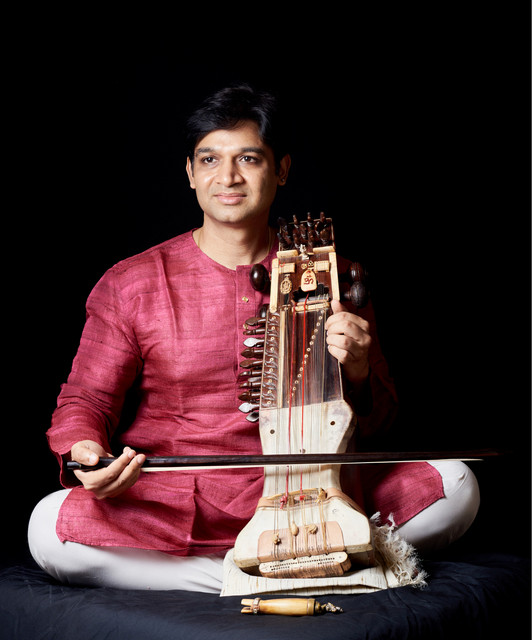
Sarangi is best known as the voice of the string family in Hindustani classical music. It is not a genre in itself, but the rich repertoire and improvisational vocabulary built around this bowed instrument define a distinctive approach within North Indian musical practice. Its sound is often described as intimate, mournful, and deeply expressive—capable of mimicking the human voice with uncanny subtlety.
Origins and birth of the instrument
The sarangi’s exact origins are debated, but most scholars place its development in the Indian subcontinent several centuries ago, taking shape in the courtly and folk networks of North India. By the Mughal era (roughly from the 16th century onward) it had become a principal accompaniment instrument for vocalists, prized for its capacity to replicate vocal inflections. Over time, regional styles coalesced into what Hindustani classical players call the sarangi tradition, a vehicle for intimate, voice-like improvisation that could charm audiences in royal courts, temple complexes, and, later, concert halls.
Construction and technique
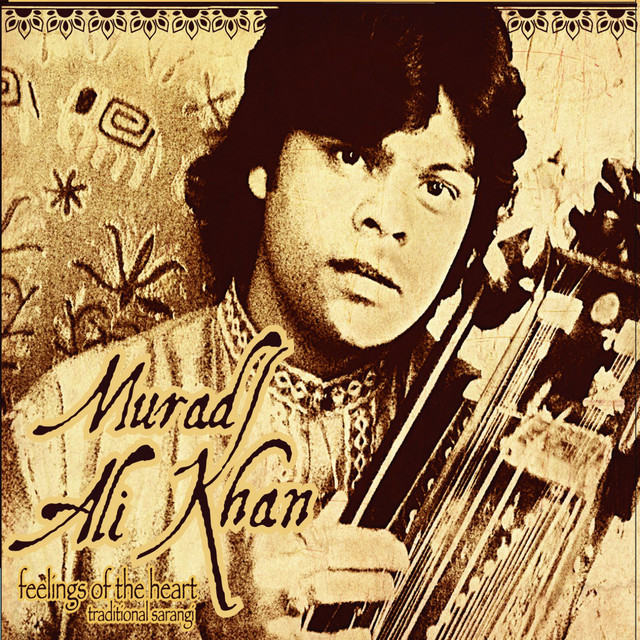
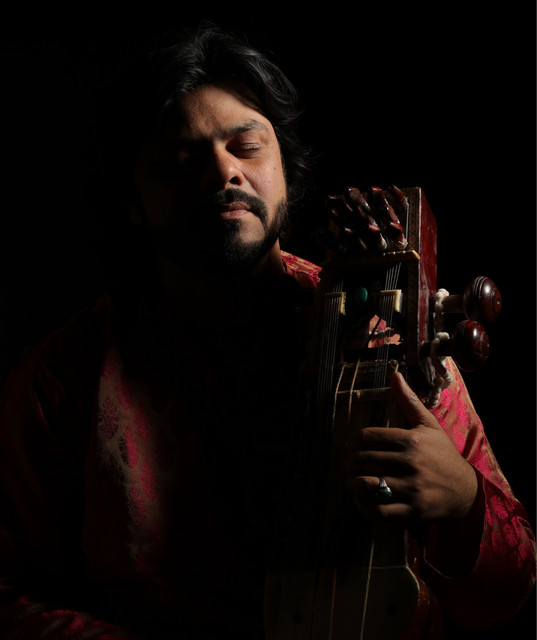
A typical sarangi is a short-necked bowed fiddle with a hollow wooden body and a large round resonator at the end. It has a set of three main melody strings and a much larger number of sympathetic strings (often 30–40) that resonate to enrich the tone. The instrument is played with a horsehair bow, held horizontally across the body. The left hand presses and slides along the neck to shape pitch on the melody strings, while the right hand draws the bow to produce sound and influence tonal color. The many sympathetic strings create a lush, vocal-like sustain that helps the instrument imitate microtonal inflections and expressive slides known as meends and glides. A hallmark of sarangi playing is the “gayaki ang”—a technique that aims to approximate the expressiveness, intonation, and phrasing of a singing voice.
Repertoire and performance practice
In traditional Hindustani performance, the sarangi often accompanies vocalists in the khayal tradition, but it also flourishes as a solo and semi-solo instrument in certain gharaṇas and contemporary projects. Musically, it embraces alap (open-ended improvisation), followed by jor and jhala, and culminates in fixed bandish compositions in ragas. The instrument’s strength lies in its ability to adjust intonation and timbre with extraordinary nuance, making it a natural partner for the vocal line and a compelling voice in its own right.
Key artists and ambassadors
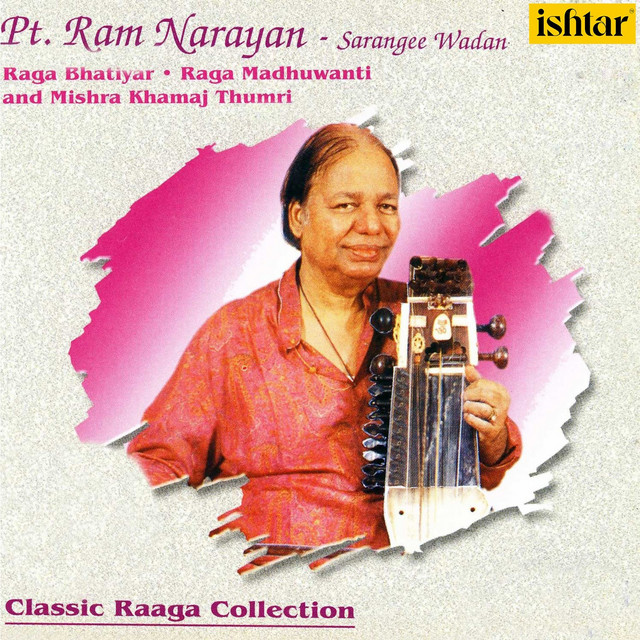
Among the most celebrated sarangi masters are Pandit Ram Narayan, who helped revive and popularize the instrument on global stages and recordings, emphasizing the vocalist-like approach. Ustad Sultan Khan is another towering figure, renowned for his emotive playing and collaborations with vocalists and other instrumentalists that broadened the sarangi’s reach. Ustad Sabri Khan and other masters from the Indian subcontinent have also contributed to the instrument’s distinctive tradition, teaching new generations and expanding its repertoire.
Geography and audience
The sarangi is most deeply rooted in India and Pakistan, where it remains integral to classical ensembles and vocal accompagniment. Its appeal extends to diasporic communities around the world and to world-music audiences in the United Kingdom, United States, Canada, Australia, and parts of Europe, where it often appears in fusion projects, film scores, and cross-cultural collaborations. Its timeless, human-like voice continues to attract listeners who seek a soul-stirring, emotive string sound.
In sum, the sarangi embodies a philosophy of stringed singing—an instrument whose every note breathes with the cadence of a voice, inviting listeners into an intimate musical conversation that transcends borders.
Origins and birth of the instrument
The sarangi’s exact origins are debated, but most scholars place its development in the Indian subcontinent several centuries ago, taking shape in the courtly and folk networks of North India. By the Mughal era (roughly from the 16th century onward) it had become a principal accompaniment instrument for vocalists, prized for its capacity to replicate vocal inflections. Over time, regional styles coalesced into what Hindustani classical players call the sarangi tradition, a vehicle for intimate, voice-like improvisation that could charm audiences in royal courts, temple complexes, and, later, concert halls.
Construction and technique
A typical sarangi is a short-necked bowed fiddle with a hollow wooden body and a large round resonator at the end. It has a set of three main melody strings and a much larger number of sympathetic strings (often 30–40) that resonate to enrich the tone. The instrument is played with a horsehair bow, held horizontally across the body. The left hand presses and slides along the neck to shape pitch on the melody strings, while the right hand draws the bow to produce sound and influence tonal color. The many sympathetic strings create a lush, vocal-like sustain that helps the instrument imitate microtonal inflections and expressive slides known as meends and glides. A hallmark of sarangi playing is the “gayaki ang”—a technique that aims to approximate the expressiveness, intonation, and phrasing of a singing voice.
Repertoire and performance practice
In traditional Hindustani performance, the sarangi often accompanies vocalists in the khayal tradition, but it also flourishes as a solo and semi-solo instrument in certain gharaṇas and contemporary projects. Musically, it embraces alap (open-ended improvisation), followed by jor and jhala, and culminates in fixed bandish compositions in ragas. The instrument’s strength lies in its ability to adjust intonation and timbre with extraordinary nuance, making it a natural partner for the vocal line and a compelling voice in its own right.
Key artists and ambassadors
Among the most celebrated sarangi masters are Pandit Ram Narayan, who helped revive and popularize the instrument on global stages and recordings, emphasizing the vocalist-like approach. Ustad Sultan Khan is another towering figure, renowned for his emotive playing and collaborations with vocalists and other instrumentalists that broadened the sarangi’s reach. Ustad Sabri Khan and other masters from the Indian subcontinent have also contributed to the instrument’s distinctive tradition, teaching new generations and expanding its repertoire.
Geography and audience
The sarangi is most deeply rooted in India and Pakistan, where it remains integral to classical ensembles and vocal accompagniment. Its appeal extends to diasporic communities around the world and to world-music audiences in the United Kingdom, United States, Canada, Australia, and parts of Europe, where it often appears in fusion projects, film scores, and cross-cultural collaborations. Its timeless, human-like voice continues to attract listeners who seek a soul-stirring, emotive string sound.
In sum, the sarangi embodies a philosophy of stringed singing—an instrument whose every note breathes with the cadence of a voice, inviting listeners into an intimate musical conversation that transcends borders.