Genre
sarod
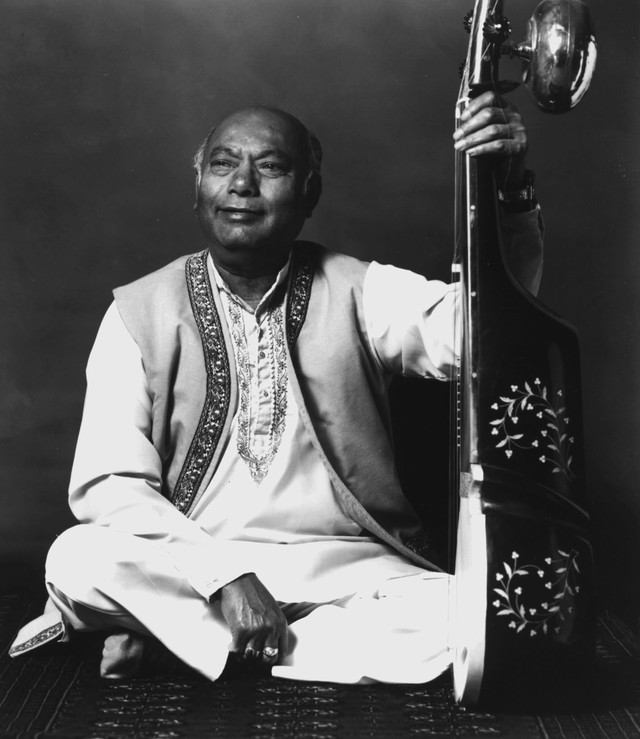
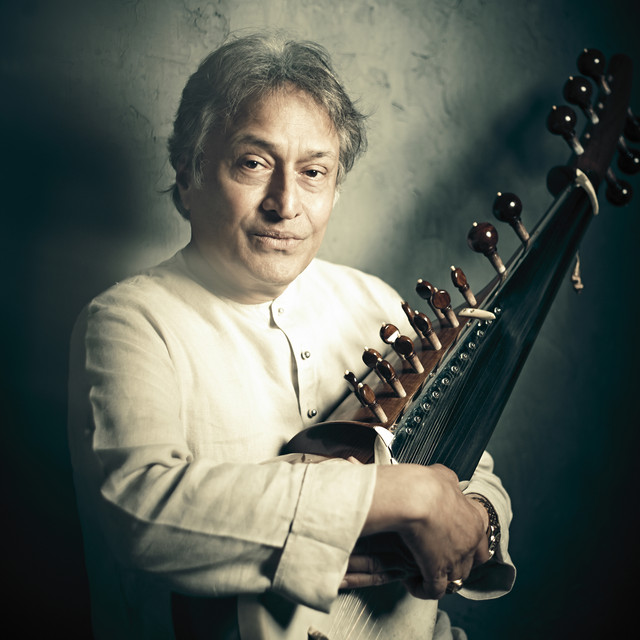
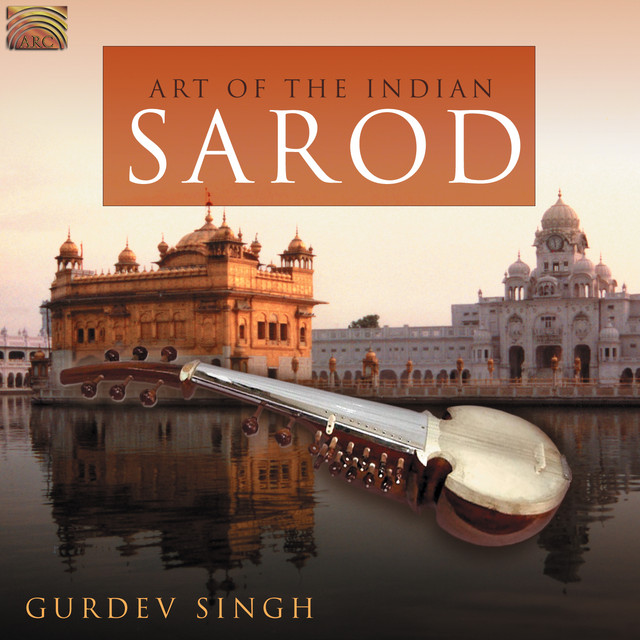
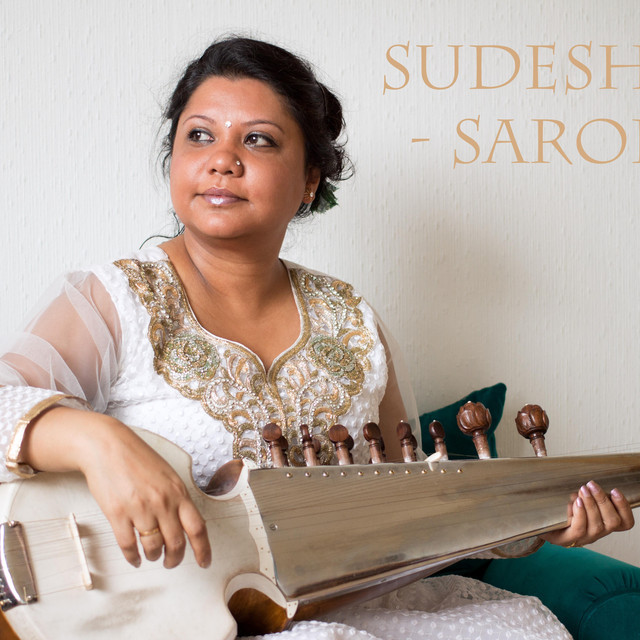
Top Sarod Artists
Showing 14 of 14 artists




About Sarod
The sarod is one of Hindustani classical music’s most expressive and instantly recognizable voices. A fretless, plucked string instrument, its voice blends a singing legato with metallic, shimmering overtones that shimmer after every note. The instrument’s lineage runs from the rabab of Central and Western Asia, but its modern form and philosophy were crystallized in North India in the 18th–19th centuries and then refined under the patronage of the royal courts and gharanas (musical lineages) of the subcontinent.
What makes the sarod distinct is its lack of frets and its state-of-the-art resonance. The neck is smooth and fretless, allowing rapid slides (glides) and microtonal inflections that are central to Hindustani raga performance. The body is typically carved wood with a broad, resonant soundboard, and it carries several melody strings, plus drone and sympathetic strings that vibrate under the melody to enrich timbre and sustain. The right hand usually uses a plectrum, while the left hand shapes the melody, executing bol-puri, mehekti bends, and long, intoxicating meends (glides) that give the sarod its characteristic vocal quality.
The birth of the modern sarod is tied to a period of great musical experimentation in North India. It emerged as a refined instrument in the 19th century, drawing from the Afghan rabab yet evolving its own identity through the work of master players who expanded its range, comfort, and expressive palette. In the care of legendary tutors and virtuosi, the sarod became a vehicle for the Hindustani classical tradition’s signature mood, architecture, and improvisation: the long, architectural alap that slowly builds to a fast, ornate keherwa and jor/tan patterns, all within a single rag. This makes the sarod a natural partner for both solo recital and accompaniment to vocalists in khayal, ajee, and other genres of Hindustani music.
Among the instrument’s most influential ambassadors are Hafiz Ali Khan, his son Amjad Ali Khan, and Ali Akbar Khan. Hafiz Ali Khan helped establish a robust performance and pedagogy around the sarod in the 20th century; Amjad Ali Khan has carried the instrument into the modern era with international tours, numerous recordings, and a dynamic approach that blends tradition with contemporary engagement. Ali Akbar Khan, a towering figure in North Indian classical music, played a pivotal role in bringing the sarod to audiences abroad, especially through his teaching in the United States and his collaborations that connected Indian classical music with wider world audiences. Today’s sarod landscape also includes talented younger players who carry forward the Senia and Maihar-influenced idioms, enriching the instrument’s repertoire and pushing its expressive boundaries.
Globally, the sarod enjoys the strongest followings in India, Pakistan, and Bangladesh, with vibrant schools and concert scenes in these countries. Diasporic communities in the United States, United Kingdom, Canada, Australia, and parts of Europe keep the instrument flourishing through festivals, university programs, and cross-cultural collaborations. For enthusiasts, listening to a great sarod performance is an invitation into a field of exquisite nuance—where a single slide can bend a whole mood, and where reverberant strings sustain the memory of a rag long after the note has faded.
What makes the sarod distinct is its lack of frets and its state-of-the-art resonance. The neck is smooth and fretless, allowing rapid slides (glides) and microtonal inflections that are central to Hindustani raga performance. The body is typically carved wood with a broad, resonant soundboard, and it carries several melody strings, plus drone and sympathetic strings that vibrate under the melody to enrich timbre and sustain. The right hand usually uses a plectrum, while the left hand shapes the melody, executing bol-puri, mehekti bends, and long, intoxicating meends (glides) that give the sarod its characteristic vocal quality.
The birth of the modern sarod is tied to a period of great musical experimentation in North India. It emerged as a refined instrument in the 19th century, drawing from the Afghan rabab yet evolving its own identity through the work of master players who expanded its range, comfort, and expressive palette. In the care of legendary tutors and virtuosi, the sarod became a vehicle for the Hindustani classical tradition’s signature mood, architecture, and improvisation: the long, architectural alap that slowly builds to a fast, ornate keherwa and jor/tan patterns, all within a single rag. This makes the sarod a natural partner for both solo recital and accompaniment to vocalists in khayal, ajee, and other genres of Hindustani music.
Among the instrument’s most influential ambassadors are Hafiz Ali Khan, his son Amjad Ali Khan, and Ali Akbar Khan. Hafiz Ali Khan helped establish a robust performance and pedagogy around the sarod in the 20th century; Amjad Ali Khan has carried the instrument into the modern era with international tours, numerous recordings, and a dynamic approach that blends tradition with contemporary engagement. Ali Akbar Khan, a towering figure in North Indian classical music, played a pivotal role in bringing the sarod to audiences abroad, especially through his teaching in the United States and his collaborations that connected Indian classical music with wider world audiences. Today’s sarod landscape also includes talented younger players who carry forward the Senia and Maihar-influenced idioms, enriching the instrument’s repertoire and pushing its expressive boundaries.
Globally, the sarod enjoys the strongest followings in India, Pakistan, and Bangladesh, with vibrant schools and concert scenes in these countries. Diasporic communities in the United States, United Kingdom, Canada, Australia, and parts of Europe keep the instrument flourishing through festivals, university programs, and cross-cultural collaborations. For enthusiasts, listening to a great sarod performance is an invitation into a field of exquisite nuance—where a single slide can bend a whole mood, and where reverberant strings sustain the memory of a rag long after the note has faded.