Genre
school ensemble
Top School ensemble Artists
Showing 25 of 157 artists








About School ensemble
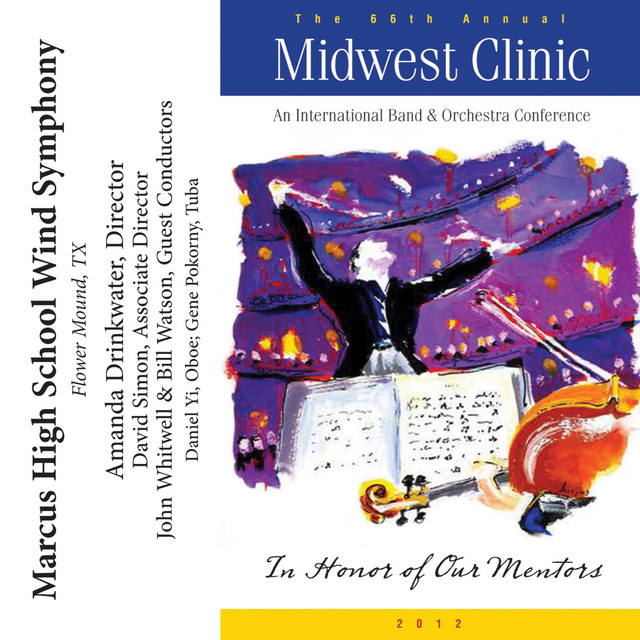
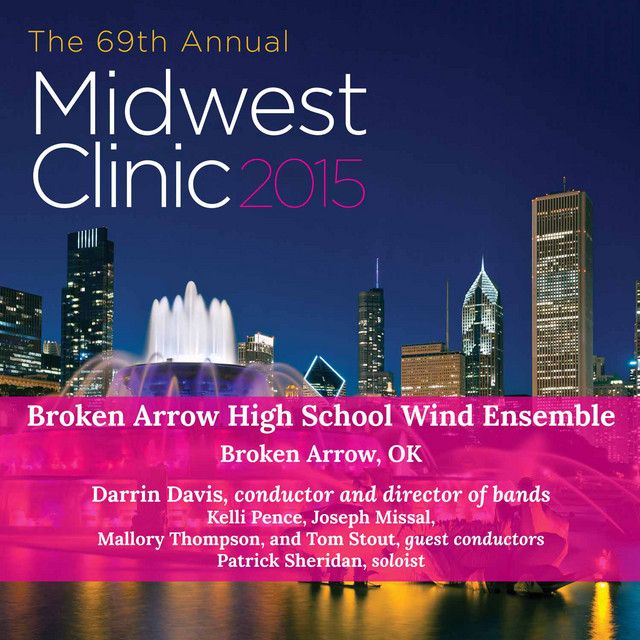
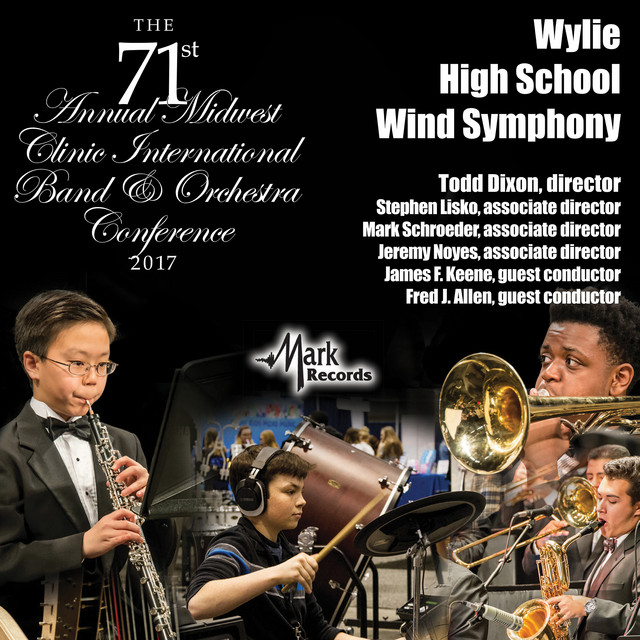
School ensemble is a music-scene rather than a single compositional style, centered on music created for and performed by student groups within schools—wind bands, string orchestras, jazz combos, percussion ensembles, and hybrid chamber groups. The term captures a practical, pedagogy-driven lineage of repertoire and performance practice: pieces are chosen or written to fit specific levels of student players, foster teamwork, and build technical and musical fluency through collective effort. For many listeners, the genre embodies the vitality of youth, community performance, and the bridge between classroom learning and live concert experience.
Origins and growth. The seeds of school ensembles were sown as modern public education expanded in the late 19th and early 20th centuries. Public schools adopted band and orchestra programs as a means to teach discipline, teamwork, and musical literacy. In the United States and across Europe, school bands and orchestras became a staple of school life, evolving from military-inspired brass groups into versatile wind bands and full orchestras that could reach large audiences in concert halls and at community events. The mid- to late-20th century saw a flowering of pedagogy—methods and materials designed specifically for student ensembles—through which composers and arrangers began producing literature that could be tackled in school settings. Today, the school-ensemble repertoire encompasses both classic transcriptions and original works crafted for developing players.
What the music sounds like. A defining feature of the genre is accessibility without sacrificing musical integrity. Repertoire is often leveled by difficulty, enabling beginners to contribute meaningfully while more advanced players still find challenge. The sound world spans bright, open wind textures in concert bands to lush, transparent string writing in school orchestras. Arrangements of classical masterworks remain common, but there is also a robust stream of original works that address contemporary rhythms, film-inspired timbres, and cross-cultural influences. Rhythm and articulation are taught with an emphasis on blend, balance, and precise ensemble coordination, one reason why contemporary school ensembles frequently travel to festivals and competitions where ensemble discipline is as celebrated as virtuosity.
Ambassadors, key figures, and global reach. The genre thrives through educators, conductors, and composers who champion music education and create compelling literature for student ensembles. Notable composers who have become staples in school-ensemble repertoires include Frank Ticheli, James Curnow, Karl King, John Mackey, Brian Balmages, and Randall Standridge, among others; their works populate concert programs in schools and at regional and national festivals. Organizations such as the National Association for Music Education (NAfME) in the United States and the World Association for Symphonic Bands and Ensembles (WASBE) provide platforms that connect teachers, composers, and performers. The genre is particularly robust in the United States, the United Kingdom, Scandinavia, Japan, Canada, Australia, and parts of continental Europe, with strong festival and competition cultures that spotlight school ensembles.
Why it matters to enthusiasts. For listeners who love the communal side of music-making, the school ensemble genre offers a rich, accessible entry point into orchestration, arrangement, and live performance. It highlights the social energy of a group of students creating a polished, expressive sound under a conductor’s guidance. It also documents an ongoing educational mission: to cultivate young musicians who carry artistry beyond the classroom and into the broader musical landscape.
Origins and growth. The seeds of school ensembles were sown as modern public education expanded in the late 19th and early 20th centuries. Public schools adopted band and orchestra programs as a means to teach discipline, teamwork, and musical literacy. In the United States and across Europe, school bands and orchestras became a staple of school life, evolving from military-inspired brass groups into versatile wind bands and full orchestras that could reach large audiences in concert halls and at community events. The mid- to late-20th century saw a flowering of pedagogy—methods and materials designed specifically for student ensembles—through which composers and arrangers began producing literature that could be tackled in school settings. Today, the school-ensemble repertoire encompasses both classic transcriptions and original works crafted for developing players.
What the music sounds like. A defining feature of the genre is accessibility without sacrificing musical integrity. Repertoire is often leveled by difficulty, enabling beginners to contribute meaningfully while more advanced players still find challenge. The sound world spans bright, open wind textures in concert bands to lush, transparent string writing in school orchestras. Arrangements of classical masterworks remain common, but there is also a robust stream of original works that address contemporary rhythms, film-inspired timbres, and cross-cultural influences. Rhythm and articulation are taught with an emphasis on blend, balance, and precise ensemble coordination, one reason why contemporary school ensembles frequently travel to festivals and competitions where ensemble discipline is as celebrated as virtuosity.
Ambassadors, key figures, and global reach. The genre thrives through educators, conductors, and composers who champion music education and create compelling literature for student ensembles. Notable composers who have become staples in school-ensemble repertoires include Frank Ticheli, James Curnow, Karl King, John Mackey, Brian Balmages, and Randall Standridge, among others; their works populate concert programs in schools and at regional and national festivals. Organizations such as the National Association for Music Education (NAfME) in the United States and the World Association for Symphonic Bands and Ensembles (WASBE) provide platforms that connect teachers, composers, and performers. The genre is particularly robust in the United States, the United Kingdom, Scandinavia, Japan, Canada, Australia, and parts of continental Europe, with strong festival and competition cultures that spotlight school ensembles.
Why it matters to enthusiasts. For listeners who love the communal side of music-making, the school ensemble genre offers a rich, accessible entry point into orchestration, arrangement, and live performance. It highlights the social energy of a group of students creating a polished, expressive sound under a conductor’s guidance. It also documents an ongoing educational mission: to cultivate young musicians who carry artistry beyond the classroom and into the broader musical landscape.