Genre
scottish indie folk
Top Scottish indie folk Artists
Showing 25 of 25 artists



About Scottish indie folk
Scottish indie folk is a subset of the wider indie folk family that foregrounds the gentler end of guitar-based storytelling, colored by Scotland’s landscapes and literary sensibility. It blends the quiet emotional honesty of folk with the melodic clarity and DIY spirit of indie rock. The sound often rests on jangly or fingerpicked guitars, warm vocal harmonies, and subtle string or brass textures, all wrapped in arrangements that reward listening closely. Lyrically, it leans into place, memory, and detail, with a knack for turning the ordinary into something luminous and suggestive. Performances tend toward intimate, human-scaled moments, where the space between musician and listener feels deliberate and earned.
Origins are diffuse but the Scottish strand of indie folk found a firm footing in the late 1990s and early 2000s, especially in Glasgow and Edinburgh. Belle and Sebastian, formed in Glasgow in 1996, stand as archetypes of the movement: literate, often melancholic, endlessly melodic songs that fold indie pop polish into folk-like storytelling. Their approach helped legitimize a distinctly Scottish voice within the international indie scene. Around the same period, Camera Obscura emerged with a similar affection for vintage, chamber-pop textures and folk-inflected arrangements, further proving that Scotland could cradle a folk-tinged sensibility within contemporary pop forms.
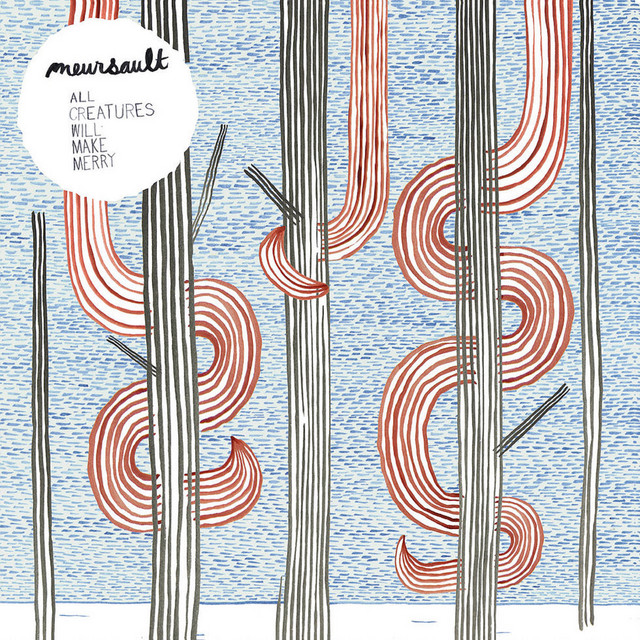
The scene matured in the 2000s through collectives and communities that emphasized intimate, craft-focused releases. The Fence Collective—an informal network centered on King Creosote and The Pictish Trail—became a touchstone for lo-fi, home-recorded warmth and a storytelling ethic. Edinburgh-based Meursault and other Scottish acts carried the torch, layering acoustic guitars with piano, subtle strings, and reflective, often wry, lyric writing. Frightened Rabbit, while anchored in indie rock, carried a folk-inflected sensibility that helped broaden the appeal of Scottish indie folk to wider audiences. Taken together, these artists defined a sound that felt both lovingly local and unafraid of cross-genre experimentation.
Ambassadors and touchstones of the genre include Belle and Sebastian, Camera Obscura, The Pictish Trail, King Creosote, Meursault, and Frightened Rabbit. Each in their own way represents the cross between tradition and experimentation that characterizes Scottish indie folk: a music rooted in storytelling, place, and voice, but open to clean pop hooks, chamber textures, and genre-blurring collaborations. The result is a scene that feels distinctly Scottish yet universally legible to anyone who loves music built on sincerity and craft.
In terms of geography and popularity, Scottish indie folk is most strongly associated with Scotland and the wider United Kingdom, with a dedicated European following and a growing footprint in North America. It travels via festivals, concerts, streaming playlists, and the intimate club circuit, where small venues become rooms for personal connection and shared listening. Beyond the borders of Scotland, listeners in Canada, the United States, Germany, and the Nordic countries have embraced its melodic clarity and lyrical intelligence. The genre remains living and evolving, continuously inviting new voices to reimagine what it means to tell a stories through a Scottish lens.
Origins are diffuse but the Scottish strand of indie folk found a firm footing in the late 1990s and early 2000s, especially in Glasgow and Edinburgh. Belle and Sebastian, formed in Glasgow in 1996, stand as archetypes of the movement: literate, often melancholic, endlessly melodic songs that fold indie pop polish into folk-like storytelling. Their approach helped legitimize a distinctly Scottish voice within the international indie scene. Around the same period, Camera Obscura emerged with a similar affection for vintage, chamber-pop textures and folk-inflected arrangements, further proving that Scotland could cradle a folk-tinged sensibility within contemporary pop forms.
The scene matured in the 2000s through collectives and communities that emphasized intimate, craft-focused releases. The Fence Collective—an informal network centered on King Creosote and The Pictish Trail—became a touchstone for lo-fi, home-recorded warmth and a storytelling ethic. Edinburgh-based Meursault and other Scottish acts carried the torch, layering acoustic guitars with piano, subtle strings, and reflective, often wry, lyric writing. Frightened Rabbit, while anchored in indie rock, carried a folk-inflected sensibility that helped broaden the appeal of Scottish indie folk to wider audiences. Taken together, these artists defined a sound that felt both lovingly local and unafraid of cross-genre experimentation.
Ambassadors and touchstones of the genre include Belle and Sebastian, Camera Obscura, The Pictish Trail, King Creosote, Meursault, and Frightened Rabbit. Each in their own way represents the cross between tradition and experimentation that characterizes Scottish indie folk: a music rooted in storytelling, place, and voice, but open to clean pop hooks, chamber textures, and genre-blurring collaborations. The result is a scene that feels distinctly Scottish yet universally legible to anyone who loves music built on sincerity and craft.
In terms of geography and popularity, Scottish indie folk is most strongly associated with Scotland and the wider United Kingdom, with a dedicated European following and a growing footprint in North America. It travels via festivals, concerts, streaming playlists, and the intimate club circuit, where small venues become rooms for personal connection and shared listening. Beyond the borders of Scotland, listeners in Canada, the United States, Germany, and the Nordic countries have embraced its melodic clarity and lyrical intelligence. The genre remains living and evolving, continuously inviting new voices to reimagine what it means to tell a stories through a Scottish lens.