Genre
scottish jazz
Top Scottish jazz Artists
Showing 14 of 14 artists







About Scottish jazz
Scottish jazz describes a distinct strand of jazz that grows from Scotland’s cities, landscapes, and musical folklore as much as from New Orleans, bebop, and modal experimentation. It is jazz with a Scottish sensibility: melodic clarity, lyrical improvisation, and a storytelling impulse that often nods to the country’s traditional tunes. The scene matured in the postwar era and found a definitive voice in the late twentieth century through bold ensembles, composer-led projects, and a network of clubs, festivals, and educational programs. Today, Scottish jazz thrives as an international conversation between local identity and global improvisation.
Roots go back to Scotland’s dance bands of the early 20th century, which fed a tradition of swing-inflected melodies performed in Glasgow and Edinburgh ballrooms. After World War II, Scottish clubs nurtured local players who absorbed American piano- and guitar-led modern jazz and fused it with a Scottish ear for tune and phrasing. By the 1960s and 70s, a generation of Scots working in London or on the continent helped widen the circle, while regional ensembles and educators began to codify a distinctly Scottish approach: crisp ensemble writing, strong melodic lines, and an openness to improvisation across styles.
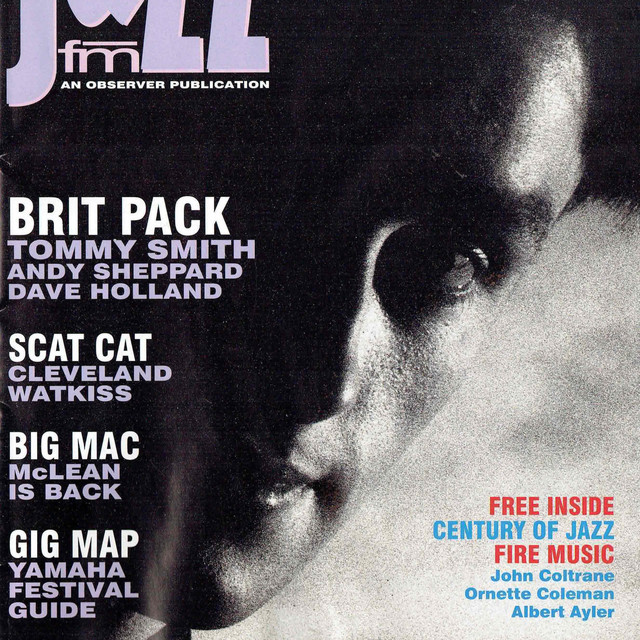
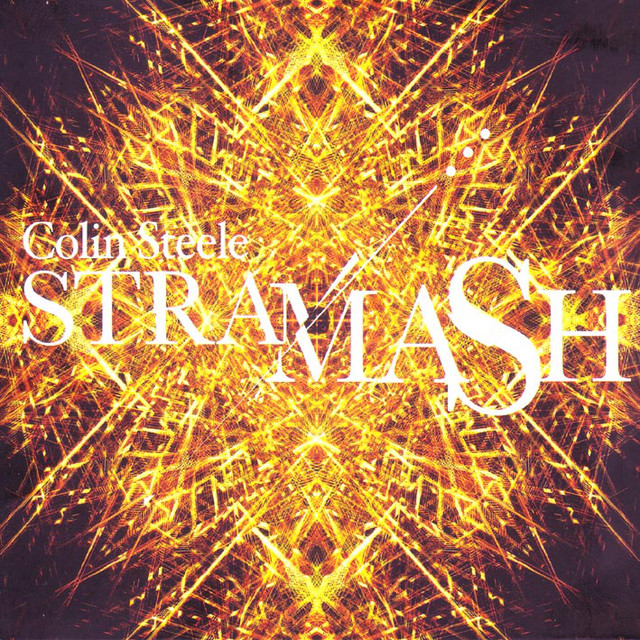
At the heart of the scene stands Tommy Smith, a saxophonist and composer who has become widely regarded as its foremost ambassador. He founded the Scottish National Jazz Orchestra in the mid‑1990s to give the genre a national voice and to commission Scottish writers and improvisers. Other important figures include trumpeter Colin Steele, pianist and composer Fergus McCreadie, and a newer generation of developing instrumentalists who continue to push the sound forward. The line between traditional and contemporary is porous, allowing Scots to explore post-bop, free, and crossover textures while still honoring melodic storytelling.
Scottish jazz has a strong presence on festival stages and in concert halls. The Scottish National Jazz Orchestra (SNJO) has toured widely, recording suites by Scottish composers and international luminaries, and helping export Scottish jazz to audiences abroad. Glasgow’s Celtic Connections festival has been a vital platform for the scene since the 1990s, pairing local bands with visiting soloists and expanding the audience for instrumental jazz.
Musically, Scottish jazz embraces a spectrum: swinging hard-bop and modal explorations; lyrical ballad playing; and occasional folk-tinged tunes that become vehicles for improvisation. It places emphasis on ensemble balance and clarity, while not shying away from high-energy solos. The genre’s identity often threads a sense of place through refined melodic lines, bright horn interchanges, and a readiness to blend Scottish tunes with adventurous improvisation.
Beyond Scotland, the scene has developed a loyal following in the United Kingdom and across Europe, with festivals, clubs, and radio programs that keep the music accessible to curious listeners. It remains a living, evolving tradition—one that invites both reverence for its roots and curiosity for its next phase. For enthusiasts, Scottish jazz rewards repeated listening: you hear familiar Scottish cadences refracted through improvisation, and you discover new tunes in the improvisers’ spontaneous conversations. It remains a growing tradition with new voices emerging.
Roots go back to Scotland’s dance bands of the early 20th century, which fed a tradition of swing-inflected melodies performed in Glasgow and Edinburgh ballrooms. After World War II, Scottish clubs nurtured local players who absorbed American piano- and guitar-led modern jazz and fused it with a Scottish ear for tune and phrasing. By the 1960s and 70s, a generation of Scots working in London or on the continent helped widen the circle, while regional ensembles and educators began to codify a distinctly Scottish approach: crisp ensemble writing, strong melodic lines, and an openness to improvisation across styles.
At the heart of the scene stands Tommy Smith, a saxophonist and composer who has become widely regarded as its foremost ambassador. He founded the Scottish National Jazz Orchestra in the mid‑1990s to give the genre a national voice and to commission Scottish writers and improvisers. Other important figures include trumpeter Colin Steele, pianist and composer Fergus McCreadie, and a newer generation of developing instrumentalists who continue to push the sound forward. The line between traditional and contemporary is porous, allowing Scots to explore post-bop, free, and crossover textures while still honoring melodic storytelling.
Scottish jazz has a strong presence on festival stages and in concert halls. The Scottish National Jazz Orchestra (SNJO) has toured widely, recording suites by Scottish composers and international luminaries, and helping export Scottish jazz to audiences abroad. Glasgow’s Celtic Connections festival has been a vital platform for the scene since the 1990s, pairing local bands with visiting soloists and expanding the audience for instrumental jazz.
Musically, Scottish jazz embraces a spectrum: swinging hard-bop and modal explorations; lyrical ballad playing; and occasional folk-tinged tunes that become vehicles for improvisation. It places emphasis on ensemble balance and clarity, while not shying away from high-energy solos. The genre’s identity often threads a sense of place through refined melodic lines, bright horn interchanges, and a readiness to blend Scottish tunes with adventurous improvisation.
Beyond Scotland, the scene has developed a loyal following in the United Kingdom and across Europe, with festivals, clubs, and radio programs that keep the music accessible to curious listeners. It remains a living, evolving tradition—one that invites both reverence for its roots and curiosity for its next phase. For enthusiasts, Scottish jazz rewards repeated listening: you hear familiar Scottish cadences refracted through improvisation, and you discover new tunes in the improvisers’ spontaneous conversations. It remains a growing tradition with new voices emerging.