Genre
scratch
Top Scratch Artists
Showing 25 of 44 artists






About Scratch
Scratch is both a technique and a culture—a cornerstone of turntablism that transformed the DJ from a mixer of records into a live instrument. Born in the late 1970s in New York City’s hip-hop milieu, scratching emerged when DJs learned to manipulate vinyl with the turntable’s crossfader and slipmats, turning backward and forward motion into percussive sounds. The moment is usually traced to Grand Wizzard Theodore, who, while practicing in his room around 1975, discovered that sliding a record back on the groove and then switching the fader could produce a distinctive, rhythmic scratch. From those early experiments, the practice spread through Bronx and Queens block parties, evolving into a formalized technique and a guiding aesthetic of the turntable-driven era.
Scratch is not just a single sound but a family of moves—a lexicon of brief, repetitive textures that can be layered, cut, and re-voiced. Core scratches such as the baby scratch, the transformer, the crab, the flare, and the chirp became the building blocks for longer routines and live battles. In the hands of skilled turntablists, vinyl becomes a drum kit, a bassline, and a melodic color palette all at once. The practice sits at the intersection of hip-hop, electronic funk, and experimental beat culture, and it thrives in environments that prize improvisation, precision, and showmanship.
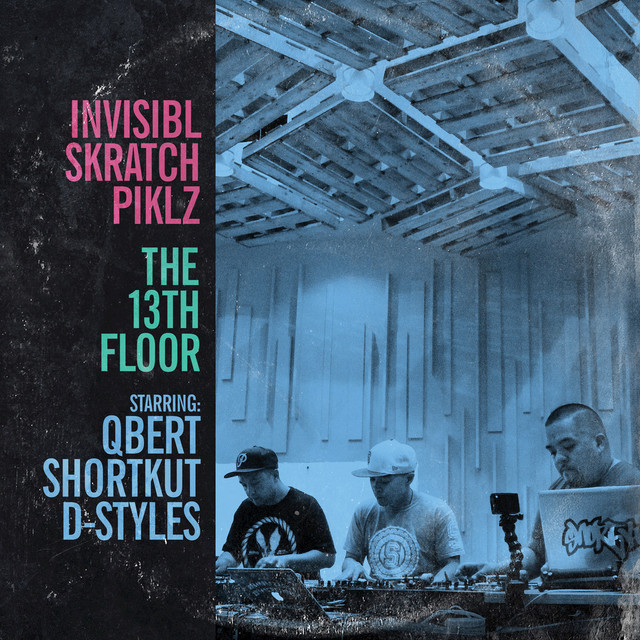
Key ambassadors and figures helped propel scratching from a party trick into a global art form. Grand Wizzard Theodore’s early innovations sparked a generation of practitioners who would define the discipline: Q-Bert and the Invisibl Skratch Piklz popularized advanced routines and technical vocabulary; Mix Master Mike brought hybrid energy to high-profile stages with the Beastie Boys; Cut Chemist helped fuse scratching with turntable-based storytelling through projects with the Jurassic 5 and his solo work. A-Trak, a prodigy who won the DMC World Championship at a young age, expanded the audience with a polished, club-friendly approach and cross-genre collaborations. Other influential names include DJ Shadow, DJ Krush, Kentaro, and DJ Premier—each pushing scratching into areas like hip-hop, trip-hop, electro, and experimental sound design.
Scratch has grown into a global phenomenon, with strong scenes in the United States (especially New York and the West Coast), Japan (where turntablism commands reverence and innovation), and Europe (France, the UK, Germany), as well as thriving communities in Canada, Korea, Brazil, and beyond. The culture is closely tied to the competitive DMC World DJ Championships and local battle scenes, which reward technique, musicality, and the ability to tell a story in real time. In modern contexts, scratching often sits alongside digital tools and hybrid setups, but the essence remains the same: a vinyl-based conversation between turntable, mixer, and the artist—the pulse of hip-hop turned into a live instrument. For enthusiasts, scratch is both a historical gateway and a contemporary frontier, always evolving as new producers and DJs redefine what a turntable can do.
Scratch is not just a single sound but a family of moves—a lexicon of brief, repetitive textures that can be layered, cut, and re-voiced. Core scratches such as the baby scratch, the transformer, the crab, the flare, and the chirp became the building blocks for longer routines and live battles. In the hands of skilled turntablists, vinyl becomes a drum kit, a bassline, and a melodic color palette all at once. The practice sits at the intersection of hip-hop, electronic funk, and experimental beat culture, and it thrives in environments that prize improvisation, precision, and showmanship.
Key ambassadors and figures helped propel scratching from a party trick into a global art form. Grand Wizzard Theodore’s early innovations sparked a generation of practitioners who would define the discipline: Q-Bert and the Invisibl Skratch Piklz popularized advanced routines and technical vocabulary; Mix Master Mike brought hybrid energy to high-profile stages with the Beastie Boys; Cut Chemist helped fuse scratching with turntable-based storytelling through projects with the Jurassic 5 and his solo work. A-Trak, a prodigy who won the DMC World Championship at a young age, expanded the audience with a polished, club-friendly approach and cross-genre collaborations. Other influential names include DJ Shadow, DJ Krush, Kentaro, and DJ Premier—each pushing scratching into areas like hip-hop, trip-hop, electro, and experimental sound design.
Scratch has grown into a global phenomenon, with strong scenes in the United States (especially New York and the West Coast), Japan (where turntablism commands reverence and innovation), and Europe (France, the UK, Germany), as well as thriving communities in Canada, Korea, Brazil, and beyond. The culture is closely tied to the competitive DMC World DJ Championships and local battle scenes, which reward technique, musicality, and the ability to tell a story in real time. In modern contexts, scratching often sits alongside digital tools and hybrid setups, but the essence remains the same: a vinyl-based conversation between turntable, mixer, and the artist—the pulse of hip-hop turned into a live instrument. For enthusiasts, scratch is both a historical gateway and a contemporary frontier, always evolving as new producers and DJs redefine what a turntable can do.