Genre
sega mauricien
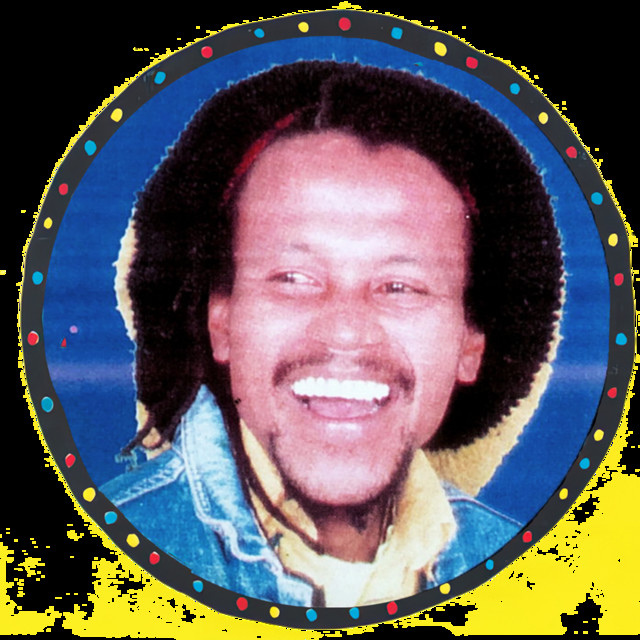
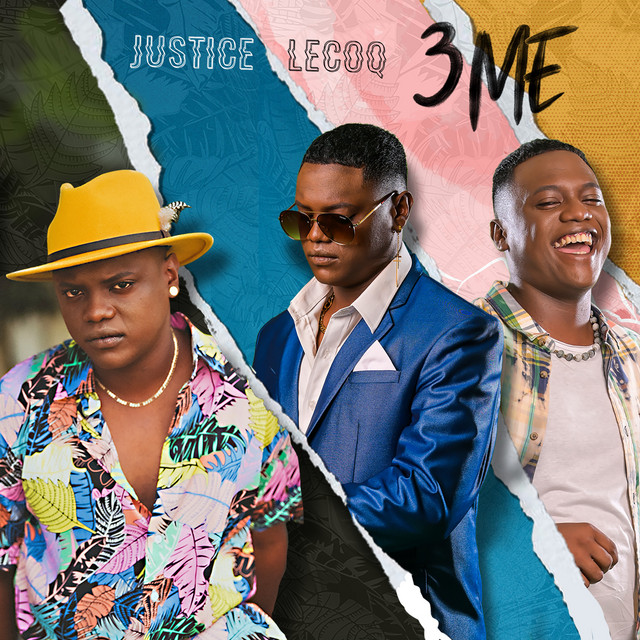
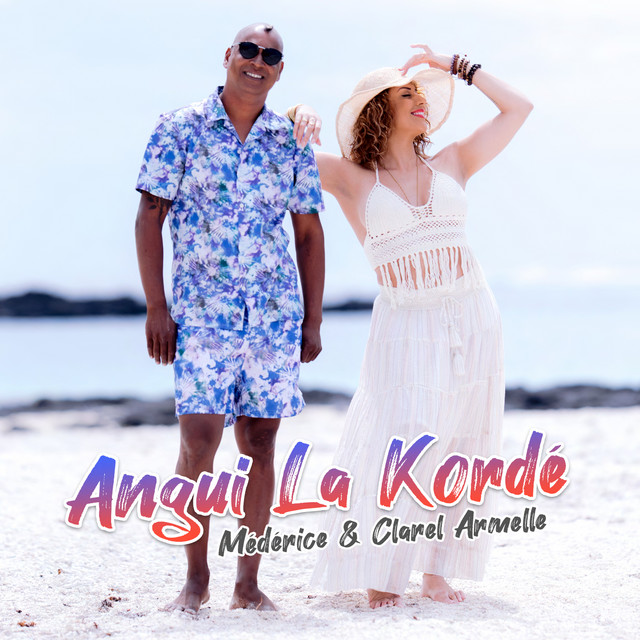
Top Sega mauricien Artists
Showing 25 of 61 artists











About Sega mauricien
Sega Mauricien, often simply called sega, is one of the most emblematic and enduring musical traditions of Mauritius. Its roots lie in the 19th century, born on the island’s sugar plantations as enslaved Africans, with later contributions from Indian and Malagasy communities. Over time, sega fused African call-and-response textures with Creole lyrics and brushes of Indian, French, and European musical ideas. The result is a danceable, emotionally expressive genre that speaks of longing, daily life, migration, and resilience.
The name sega’s exact etymology is debated. Some scholars point to African, Malagasy, or Portuguese linguistic influences, while others suggest a Creole derivation linked to the genre’s social and ritual functions. What is clear is sega’s social core: it developed as a communal performance, often in circles or around a bonfire, where singers would respond to a lead voice and dancers would move in fluid, circular steps. The genre has always lived in the streets, the courts during celebrations, and now on concert stages and festival platforms, continually absorbing new sounds while preserving its distinctive soul.
Instrumentally, sega relies on a strong percussive backbone. The ravanne, a frame drum with goatskin stretched across a shallow shell, is the most iconic instrument and drives the pulse of many sega performances. It is commonly accompanied by other percussion such as small drums and hand-held idiophones, and by melodic elements that may include guitar or accordion in modern interpretations. The vocal dimension remains central: call-and-response patterns, witty or earnest Creole lyrics, and a storytelling voice that carries intimate, social, or romantic themes. The dance that accompanies the music is social and communal, inviting both spectators and performers into a shared musical moment.
Throughout the 20th century, sega evolved from village gatherings into a genre that could be staged in theaters and recorded for national radio and international audiences. The modern sega scene often blends traditional timbres with contemporary production, creating a sound that can feel nostalgic and immediate at once. This evolution gave rise to substyles and experiments, from more acoustic, “authentic” sega to fusions that incorporated pop, reggae, and electronic elements.
One of Sega Mauricien’s most widely celebrated modern developments is seggae, a fusion of sega and reggae popularized by the late Mauritian singer Kaya. Seggae brought a political and social edge to the genre, marrying the rhythmic drive of sega with reggae’s melodic and thematic sensibilities. Kaya’s work, along with other contemporary artists and ensembles that keep sega live on stages across Mauritius and in the diaspora, has helped introduce sega to broader audiences without erasing its roots.
In terms of geographic reach, sega is most deeply rooted in Mauritius, where it is considered part of the national cultural fabric. Its influence and performances extend to Réunion and other Indian Ocean communities, and Mauritian musicians frequently tour or collaborate with artists in France, the United Kingdom, Canada, and beyond, reflecting the island’s widespread diaspora. Today, Sega Mauricien sits at a vibrant crossroads: a living tradition that honors its past while embracing new sounds, rhythms, and voices, inviting music enthusiasts to discover its communal heartbeat, poetic Creole storytelling, and enduring danceable groove.
The name sega’s exact etymology is debated. Some scholars point to African, Malagasy, or Portuguese linguistic influences, while others suggest a Creole derivation linked to the genre’s social and ritual functions. What is clear is sega’s social core: it developed as a communal performance, often in circles or around a bonfire, where singers would respond to a lead voice and dancers would move in fluid, circular steps. The genre has always lived in the streets, the courts during celebrations, and now on concert stages and festival platforms, continually absorbing new sounds while preserving its distinctive soul.
Instrumentally, sega relies on a strong percussive backbone. The ravanne, a frame drum with goatskin stretched across a shallow shell, is the most iconic instrument and drives the pulse of many sega performances. It is commonly accompanied by other percussion such as small drums and hand-held idiophones, and by melodic elements that may include guitar or accordion in modern interpretations. The vocal dimension remains central: call-and-response patterns, witty or earnest Creole lyrics, and a storytelling voice that carries intimate, social, or romantic themes. The dance that accompanies the music is social and communal, inviting both spectators and performers into a shared musical moment.
Throughout the 20th century, sega evolved from village gatherings into a genre that could be staged in theaters and recorded for national radio and international audiences. The modern sega scene often blends traditional timbres with contemporary production, creating a sound that can feel nostalgic and immediate at once. This evolution gave rise to substyles and experiments, from more acoustic, “authentic” sega to fusions that incorporated pop, reggae, and electronic elements.
One of Sega Mauricien’s most widely celebrated modern developments is seggae, a fusion of sega and reggae popularized by the late Mauritian singer Kaya. Seggae brought a political and social edge to the genre, marrying the rhythmic drive of sega with reggae’s melodic and thematic sensibilities. Kaya’s work, along with other contemporary artists and ensembles that keep sega live on stages across Mauritius and in the diaspora, has helped introduce sega to broader audiences without erasing its roots.
In terms of geographic reach, sega is most deeply rooted in Mauritius, where it is considered part of the national cultural fabric. Its influence and performances extend to Réunion and other Indian Ocean communities, and Mauritian musicians frequently tour or collaborate with artists in France, the United Kingdom, Canada, and beyond, reflecting the island’s widespread diaspora. Today, Sega Mauricien sits at a vibrant crossroads: a living tradition that honors its past while embracing new sounds, rhythms, and voices, inviting music enthusiasts to discover its communal heartbeat, poetic Creole storytelling, and enduring danceable groove.