Genre
serbian metal
Top Serbian metal Artists
Showing 17 of 17 artists



About Serbian metal
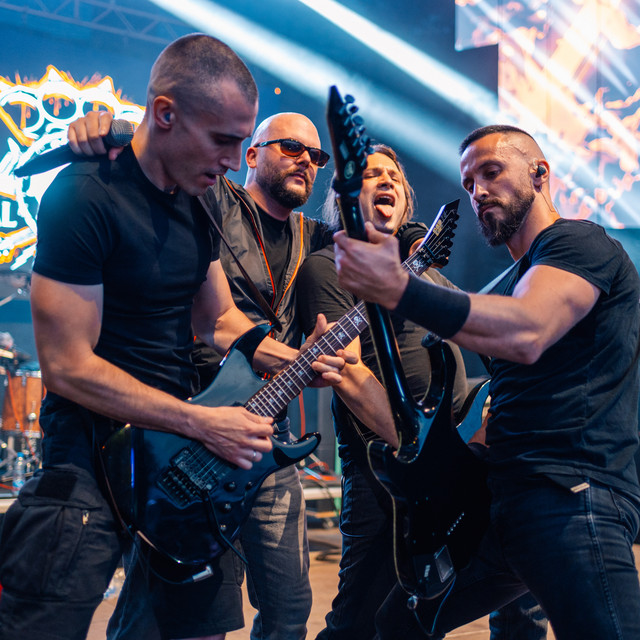
Serbian metal is the metal soundscape of Serbia, a dynamic and evolving subculture that sits at the crossroads of European heavy music and Balkan storytelling. Born in the late 1980s and solidified through the 1990s, it grew out of tight underground networks in Belgrade, Novi Sad, Niš, and other cities, where fanzines, cassette exchanges, and small clubs created a scaffold for ambitious musicians. Early acts absorbed the speed and aggression of thrash, the melody of traditional heavy metal, and the DIY ethic of underground rock, often recording and performing in both Serbian and English. This dual-language approach helped the scene stay connected to global metal while cultivating a distinct local voice.
The 1990s were a crucible: political upheaval and sanctions cooled the scene, yet did not extinguish it. Basements, student centers, and intimate venues became the training grounds for a generation of players who pushed tight riffs, rapid drums, and melodic hooks to new extremes. Subgenres multiplied—traditional and classic metal, speed and thrash, and later power and death metal—while many bands began to blend Balkan influences, folklore-inspired melodies, and somber mood into their arrangements. The era forged a resilience and a sense of purpose that would bear fruit in the 2000s and beyond, when a more coherent production standard and wider touring began to emerge.
In the 2000s and 2010s, Serbian metal started to gain a clearer international footprint. Notable acts rose to prominence and began to tour abroad, record for international labels, and compete for attention on European festivals and streams. Among the ambassadors most often cited by fans and critics are Alogia, a Belgrade-based project known for its ambitious fusion of power and progressive metal, intricate concept albums, and virtuosic musicianship. Another landmark act is Kraljevski Apartman, a long-running traditional/power metal outfit whose melodic, anthem-like approach helped define a distinctly Serbian strain of metal to peers in the Balkans and beyond. These bands helped prove that Serbian metal could combine technical sophistication with an immediate emotional impact, appealing to listeners who crave both epic scope and hook-driven grooves.
Sound-wise, Serbian metal tends to emphasize guitar work, tight rhythm sections, and dynamic vocal delivery, with a willingness to experiment across subgenres. Some bands lean toward melodic hooks and polished production, while others explore heavier, more aggressive textures. Lyrically and atmospherically, many songs evoke the landscapes, history, and introspection characteristic of the region, while still operating within global metal idioms. The scene is collaborative and fed by a network of clubs, labels, and online communities that connect Belgrade, Novi Sad, and other hubs with audiences across Europe and the world.
Where is it most popular? Serbia remains the heartbeat, with a devoted audience in neighboring Balkan countries—Bosnia and Herzegovina, Croatia, Montenegro, and North Macedonia. The Serbian diaspora in Western Europe (Germany, Austria, Sweden, Switzerland) and in North America also sustains a listening base, often through online platforms and regional metal networks that keep the conversation alive. Serbian metal today presents a mosaic: technically capable, emotionally direct, and continually evolving, it remains proudly rooted in Serbia while reaching hungry fans around the globe.
The 1990s were a crucible: political upheaval and sanctions cooled the scene, yet did not extinguish it. Basements, student centers, and intimate venues became the training grounds for a generation of players who pushed tight riffs, rapid drums, and melodic hooks to new extremes. Subgenres multiplied—traditional and classic metal, speed and thrash, and later power and death metal—while many bands began to blend Balkan influences, folklore-inspired melodies, and somber mood into their arrangements. The era forged a resilience and a sense of purpose that would bear fruit in the 2000s and beyond, when a more coherent production standard and wider touring began to emerge.
In the 2000s and 2010s, Serbian metal started to gain a clearer international footprint. Notable acts rose to prominence and began to tour abroad, record for international labels, and compete for attention on European festivals and streams. Among the ambassadors most often cited by fans and critics are Alogia, a Belgrade-based project known for its ambitious fusion of power and progressive metal, intricate concept albums, and virtuosic musicianship. Another landmark act is Kraljevski Apartman, a long-running traditional/power metal outfit whose melodic, anthem-like approach helped define a distinctly Serbian strain of metal to peers in the Balkans and beyond. These bands helped prove that Serbian metal could combine technical sophistication with an immediate emotional impact, appealing to listeners who crave both epic scope and hook-driven grooves.
Sound-wise, Serbian metal tends to emphasize guitar work, tight rhythm sections, and dynamic vocal delivery, with a willingness to experiment across subgenres. Some bands lean toward melodic hooks and polished production, while others explore heavier, more aggressive textures. Lyrically and atmospherically, many songs evoke the landscapes, history, and introspection characteristic of the region, while still operating within global metal idioms. The scene is collaborative and fed by a network of clubs, labels, and online communities that connect Belgrade, Novi Sad, and other hubs with audiences across Europe and the world.
Where is it most popular? Serbia remains the heartbeat, with a devoted audience in neighboring Balkan countries—Bosnia and Herzegovina, Croatia, Montenegro, and North Macedonia. The Serbian diaspora in Western Europe (Germany, Austria, Sweden, Switzerland) and in North America also sustains a listening base, often through online platforms and regional metal networks that keep the conversation alive. Serbian metal today presents a mosaic: technically capable, emotionally direct, and continually evolving, it remains proudly rooted in Serbia while reaching hungry fans around the globe.