Genre
sevdah
Top Sevdah Artists
Showing 25 of 68 artists











About Sevdah
Sevdah, or sevdalinka, is the Bosnian tradition of deeply emotional, romantically charged songs that thread longing, heartbreak, and quiet resilience into compact, memorable melodies. The genre’s essence lies in a storytelling vocal line that pours out longing and unfulfilled love, often delivered in a hushed, intimate timbre that can slide from tenderness to ache in a single phrase.
Origins and birth
Sevdah grew from a crossroads of cultures in Bosnia and Herzegovina during the late 19th and early 20th centuries. Its ground was the urban coffee houses, cabarets, and street markets of cities like Sarajevo and Mostar, where Ottoman musical practices—modal scales, rich melismatic ornamentation, and a penchant for poetry—interacted with Slavic folk song and local improvisation. The word itself derives from the Turkish sevda, meaning ardor or passion, signaling a language of love and disposition that could be as haunting as it was intimate. By the 1920s–1940s, sevdalinka had crystallized into a recognizable repertoire, and through the Yugoslav radio era it spread beyond Bosnia to Croatia, Serbia, and Montenegro, becoming a common thread in the region’s popular music dialogue.
Musical characteristics
Sevdah songs are often built on leisurely tempos, with a focus on expressive phrasing and vocal storytelling. Melodic lines sit in central European and Ottoman-influenced modes, allowing poignant micro-phrases and dramatic bends. Instrumentation traditionally features voice as the primary force, supported by guitar, bouzouki-like saz, mandolin, accordion (harmonika), and, in some regions, lute-like tambura or traditional percussion. Harmony is relatively simple, but the emotional color comes from timbre, ornamentation, and the singer’s ability to turn a single note into a sigh or a vow. The texts—poetic, melancholic, sometimes nostalgic about the homeland or a lost love—are as important as the music, delivering a dramatic arc within a compact song.
Ambassadors and key figures
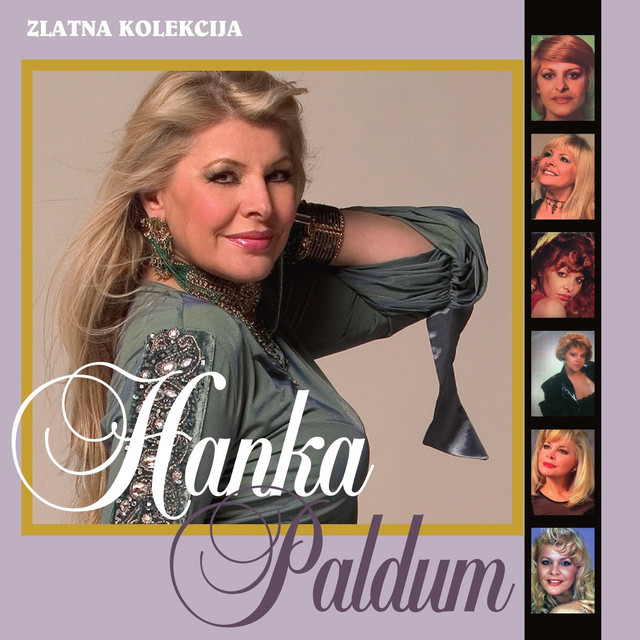
Sevdah has a celebrated roster of artists who became its ambassadors. Zaim Imamović, widely regarded as a defining voice of sevdah, helped popularize the genre on radio and in concerts across the former Yugoslavia. Safet Isović, another towering figure, brought sevdalinka to a broad audience with a repertoire of unforgettable ballads. Himzo Polovina contributed to the genre’s early codification and repertory. In later generations, Hanka Paldum and Silvana Armenulić became household names, translating sevdah’s timbre for contemporary listeners while preserving its mournful beauty. These artists—along with many regional singers—are celebrated in festivals, recordings, and archival projects that keep the tradition alive.
Geography and reach
Sevdah is most deeply rooted in Bosnia and Herzegovina, but its appeal stretches across the former Yugoslavia—Serbia, Croatia, Montenegro, and among the diaspora communities in Germany, Austria, Sweden, the United States, and Turkey. In contemporary programming, sevdah continues to flourish both in traditional forms and in fusion contexts, where composers blend it with contemporary pop, rock, or electronic textures. For enthusiasts, sevdah offers a mature, intimate emotional vocabulary paired with a rich historical tapestry—music that invites you to listen closely to a voice that has learned to tell a life’s story with one breath, one bend, one sigh.
Origins and birth
Sevdah grew from a crossroads of cultures in Bosnia and Herzegovina during the late 19th and early 20th centuries. Its ground was the urban coffee houses, cabarets, and street markets of cities like Sarajevo and Mostar, where Ottoman musical practices—modal scales, rich melismatic ornamentation, and a penchant for poetry—interacted with Slavic folk song and local improvisation. The word itself derives from the Turkish sevda, meaning ardor or passion, signaling a language of love and disposition that could be as haunting as it was intimate. By the 1920s–1940s, sevdalinka had crystallized into a recognizable repertoire, and through the Yugoslav radio era it spread beyond Bosnia to Croatia, Serbia, and Montenegro, becoming a common thread in the region’s popular music dialogue.
Musical characteristics
Sevdah songs are often built on leisurely tempos, with a focus on expressive phrasing and vocal storytelling. Melodic lines sit in central European and Ottoman-influenced modes, allowing poignant micro-phrases and dramatic bends. Instrumentation traditionally features voice as the primary force, supported by guitar, bouzouki-like saz, mandolin, accordion (harmonika), and, in some regions, lute-like tambura or traditional percussion. Harmony is relatively simple, but the emotional color comes from timbre, ornamentation, and the singer’s ability to turn a single note into a sigh or a vow. The texts—poetic, melancholic, sometimes nostalgic about the homeland or a lost love—are as important as the music, delivering a dramatic arc within a compact song.
Ambassadors and key figures
Sevdah has a celebrated roster of artists who became its ambassadors. Zaim Imamović, widely regarded as a defining voice of sevdah, helped popularize the genre on radio and in concerts across the former Yugoslavia. Safet Isović, another towering figure, brought sevdalinka to a broad audience with a repertoire of unforgettable ballads. Himzo Polovina contributed to the genre’s early codification and repertory. In later generations, Hanka Paldum and Silvana Armenulić became household names, translating sevdah’s timbre for contemporary listeners while preserving its mournful beauty. These artists—along with many regional singers—are celebrated in festivals, recordings, and archival projects that keep the tradition alive.
Geography and reach
Sevdah is most deeply rooted in Bosnia and Herzegovina, but its appeal stretches across the former Yugoslavia—Serbia, Croatia, Montenegro, and among the diaspora communities in Germany, Austria, Sweden, the United States, and Turkey. In contemporary programming, sevdah continues to flourish both in traditional forms and in fusion contexts, where composers blend it with contemporary pop, rock, or electronic textures. For enthusiasts, sevdah offers a mature, intimate emotional vocabulary paired with a rich historical tapestry—music that invites you to listen closely to a voice that has learned to tell a life’s story with one breath, one bend, one sigh.