Genre
shakuhachi
Top Shakuhachi Artists
Showing 12 of 12 artists

3

薫風之音
60
78 listeners


About Shakuhachi
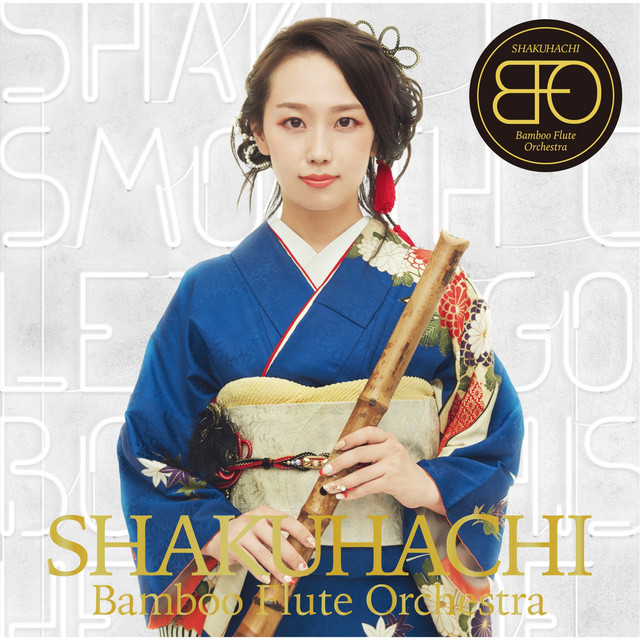
Shakuhachi is a traditional Japanese end-blown bamboo flute whose voice is at once intimate and expansive. The standard instrument is typically about 54.5 cm long (1.8 shaku) and is carved from a single bamboo culm. It has a blown edge at the top, usually four finger holes on the front and a thumb hole on the back, and its tone can travel from whisper-soft breath to a clear, piercing call. The shakuhachi is renowned for its wide dynamic range and its ability to bend pitch through embouchure and breath control, yielding a spectrum of atmospheres from meditative stillness to kinetic expressivity.
Historically, the shakuhachi’s lineage runs from ancient East Asian flutes to a distinctly Japanese voice. Its ancestors include Chinese end-blown flutes such as the xiao, but in Japan it matured into a repertoire and aesthetic tied deeply to Zen and monastic practice. In the Edo period (17th–19th centuries) the instrument became closely associated with the Fuke tradition, a sect of Zen monks who used the shakuhachi in the practice of suizen, “blowing meditation.” This spiritual lineage gave rise to a substantial solo repertory known as honkyoku, a set of pieces historically transmitted within lineages and passed down through generations. Over time two major traditional lineages—the Kinko-ryu and Tozan-ryu schools—developed distinctive repertoires, techniques, and performance practices, shaping how the instrument is taught and listened to even today.
In terms of style, shakuhachi music spans pristine solo meditation, intimate chamber textures, and increasingly cross-cultural collaborations. The core honkyoku works emphasize subtle nuance, breath phrasing, and a spacious sense of time, but the instrument has also found a home in contemporary and experimental music. Modern players and composers expand the instrument’s possibilities by pairing traditional timbres with electronics, jazz-inflected improvisation, and Western classical ensembles, while preserving its distinct Japanese sensibility.
Key ambassadors and influential figures have helped bring the shakuhachi beyond Japan’s borders. In the 20th century, masters such as Kifu Mitsuhashi (a pivotal figure in revitalizing shakuhachi pedagogy and promoting international exchange) helped establish a global community and concert circuit around the instrument. Other renowned players who bridged traditions include Hozan Yamamoto and James Nyoraku Shapiro, who have introduced shakuhachi sound to Western audiences through performance, teaching, and cross-genre collaborations. Their work, along with festivals and organizations dedicated to the instrument, has helped shakuhachi become a familiar voice in world music and contemporary classical scenes.
Today, shakuhachi enjoys particular popularity in Japan as a living tradition and pedagogy, while abroad it thrives in the United States, Europe, and Australia within world-music communities, new-music ensembles, and multidisciplinary arts contexts. It is used in film scores, fusion projects, meditation and wellness contexts, and academic programs that explore traditional instruments in modern repertoires. For music enthusiasts, the shakuhachi offers a bridge between ancient stillness and contemporary experimentation—a sound that invites both quiet reflection and adventurous exploration.
Historically, the shakuhachi’s lineage runs from ancient East Asian flutes to a distinctly Japanese voice. Its ancestors include Chinese end-blown flutes such as the xiao, but in Japan it matured into a repertoire and aesthetic tied deeply to Zen and monastic practice. In the Edo period (17th–19th centuries) the instrument became closely associated with the Fuke tradition, a sect of Zen monks who used the shakuhachi in the practice of suizen, “blowing meditation.” This spiritual lineage gave rise to a substantial solo repertory known as honkyoku, a set of pieces historically transmitted within lineages and passed down through generations. Over time two major traditional lineages—the Kinko-ryu and Tozan-ryu schools—developed distinctive repertoires, techniques, and performance practices, shaping how the instrument is taught and listened to even today.
In terms of style, shakuhachi music spans pristine solo meditation, intimate chamber textures, and increasingly cross-cultural collaborations. The core honkyoku works emphasize subtle nuance, breath phrasing, and a spacious sense of time, but the instrument has also found a home in contemporary and experimental music. Modern players and composers expand the instrument’s possibilities by pairing traditional timbres with electronics, jazz-inflected improvisation, and Western classical ensembles, while preserving its distinct Japanese sensibility.
Key ambassadors and influential figures have helped bring the shakuhachi beyond Japan’s borders. In the 20th century, masters such as Kifu Mitsuhashi (a pivotal figure in revitalizing shakuhachi pedagogy and promoting international exchange) helped establish a global community and concert circuit around the instrument. Other renowned players who bridged traditions include Hozan Yamamoto and James Nyoraku Shapiro, who have introduced shakuhachi sound to Western audiences through performance, teaching, and cross-genre collaborations. Their work, along with festivals and organizations dedicated to the instrument, has helped shakuhachi become a familiar voice in world music and contemporary classical scenes.
Today, shakuhachi enjoys particular popularity in Japan as a living tradition and pedagogy, while abroad it thrives in the United States, Europe, and Australia within world-music communities, new-music ensembles, and multidisciplinary arts contexts. It is used in film scores, fusion projects, meditation and wellness contexts, and academic programs that explore traditional instruments in modern repertoires. For music enthusiasts, the shakuhachi offers a bridge between ancient stillness and contemporary experimentation—a sound that invites both quiet reflection and adventurous exploration.