Genre
shehnai
Top Shehnai Artists
Showing 19 of 19 artists




18
1
- listeners
About Shehnai
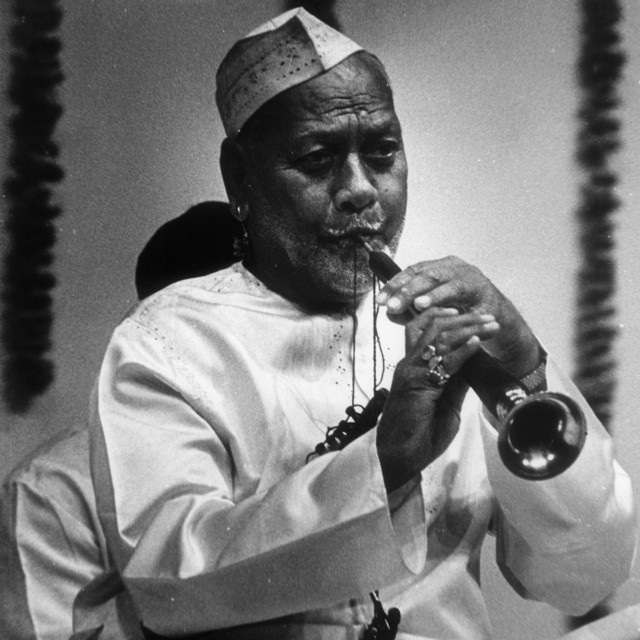
The shehnai is one of Hindustani classical music’s most distinctive wind instruments, a double-reed, conical wooden pipe whose bright, singing tone can move listeners from a sprightly village-meeting to a reverent temple hall. Though its roots are ancient and its exact origins debated, most historians agree that the instrument evolved in the Indian subcontinent, gaining a strong presence in the Awadh region (modern-day Lucknow and surrounding areas) where it worked its way into temple and courtly music. By the late 18th and 19th centuries it had become a familiar symbol of auspicious occasions, especially weddings, where its flute-like, emotive voice is believed to invite blessings. In the 20th century the shehnai crossed from ritual contexts to the concert stage, thanks to pioneering virtuosi who expanded its technical and expressive vocabulary.
A typical concert shehnai is made from a wooden body with a mouthpiece that directs a double reed. The performer breathes through the instrument to coax a wide range of timbres, from delicate, whispering phrases to soaring, almost human-sounding cadences. What makes the shehnai so compelling is its capacity to mimic speech and song: it can spin long, lyrical meends (slides) and spin out microtonal turns that resemble vocal inflections. Its simplest lines can seem naïvely sincere, while more elaborate improvisations reveal a nimble mind, a willingness to bend, ornament, and breathe the ragas—melodic frameworks of Hindustani music—into a single, evolving breath.
Two figures stand out as the genre’s most influential ambassadors. First, Bismillah Khan (1916–2006), whose name became inseparable from the shehnai worldwide. He popularized the instrument on concert stages far beyond India, brought it into mainstream classical discourse, and gave it a dignity and visibility that helped redefine what a concert instrument could be. His playing—patient, expansive, and tonally generous—set a standard for intimate lyricism balanced with a dignified grandeur. Second, Pannalal Ghosh (1911–1960), often hailed as the doyen who elevated the shehnai to the concert hall in its own right. A prolific performer and teacher, Ghosh broadened the instrument’s repertoire and demonstrated that the shehnai could sustain virtuosic rigor alongside devotional tenderness. Together, these two maestros shifted the perception of the shehnai from wedding procession to serious, contemplative art.
Today the genre remains most popular in the Indian subcontinent—India, where it is strongly associated with Hindustani classical performance, and Pakistan, where the instrument is celebrated in its own rich tradition. Beyond the subcontinent, the shehnai has found a growing audience in diaspora communities across the United Kingdom, the United States, Canada, the Gulf countries, and parts of Europe, where classical and world-music audiences seek its plaintive, uplifting voice. In film scores and fusion projects, it also appears as a lyrical echo of tradition, inviting listeners to hear a century of cultural memory carried on a single reed.
For the discerning music enthusiast, a shehnai recital is a study in restraint and release: a voice that can pierce, soothe, and uplift, always anchored in a deep respect for ragas and the breath that gives them life. Its lineage—from temple bells and royal courts to modern concert venues—reads like a quiet epic about how a single instrument can carry the memory of a culture, and the hope of its evolving sound.
A typical concert shehnai is made from a wooden body with a mouthpiece that directs a double reed. The performer breathes through the instrument to coax a wide range of timbres, from delicate, whispering phrases to soaring, almost human-sounding cadences. What makes the shehnai so compelling is its capacity to mimic speech and song: it can spin long, lyrical meends (slides) and spin out microtonal turns that resemble vocal inflections. Its simplest lines can seem naïvely sincere, while more elaborate improvisations reveal a nimble mind, a willingness to bend, ornament, and breathe the ragas—melodic frameworks of Hindustani music—into a single, evolving breath.
Two figures stand out as the genre’s most influential ambassadors. First, Bismillah Khan (1916–2006), whose name became inseparable from the shehnai worldwide. He popularized the instrument on concert stages far beyond India, brought it into mainstream classical discourse, and gave it a dignity and visibility that helped redefine what a concert instrument could be. His playing—patient, expansive, and tonally generous—set a standard for intimate lyricism balanced with a dignified grandeur. Second, Pannalal Ghosh (1911–1960), often hailed as the doyen who elevated the shehnai to the concert hall in its own right. A prolific performer and teacher, Ghosh broadened the instrument’s repertoire and demonstrated that the shehnai could sustain virtuosic rigor alongside devotional tenderness. Together, these two maestros shifted the perception of the shehnai from wedding procession to serious, contemplative art.
Today the genre remains most popular in the Indian subcontinent—India, where it is strongly associated with Hindustani classical performance, and Pakistan, where the instrument is celebrated in its own rich tradition. Beyond the subcontinent, the shehnai has found a growing audience in diaspora communities across the United Kingdom, the United States, Canada, the Gulf countries, and parts of Europe, where classical and world-music audiences seek its plaintive, uplifting voice. In film scores and fusion projects, it also appears as a lyrical echo of tradition, inviting listeners to hear a century of cultural memory carried on a single reed.
For the discerning music enthusiast, a shehnai recital is a study in restraint and release: a voice that can pierce, soothe, and uplift, always anchored in a deep respect for ragas and the breath that gives them life. Its lineage—from temple bells and royal courts to modern concert venues—reads like a quiet epic about how a single instrument can carry the memory of a culture, and the hope of its evolving sound.