Genre
shojo
Top Shojo Artists
Showing 25 of 217 artists


3
吉武千颯
Japan
6,265
58,018 listeners
8
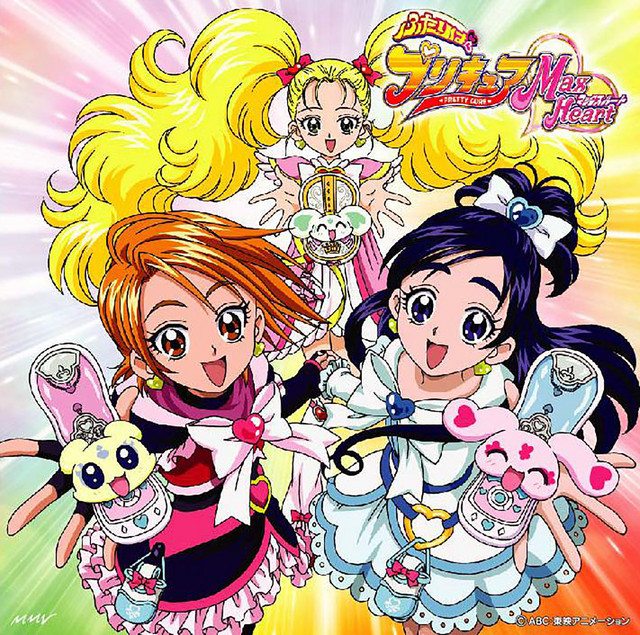
ヤング・フレッシュ
1,057
47,081 listeners
9
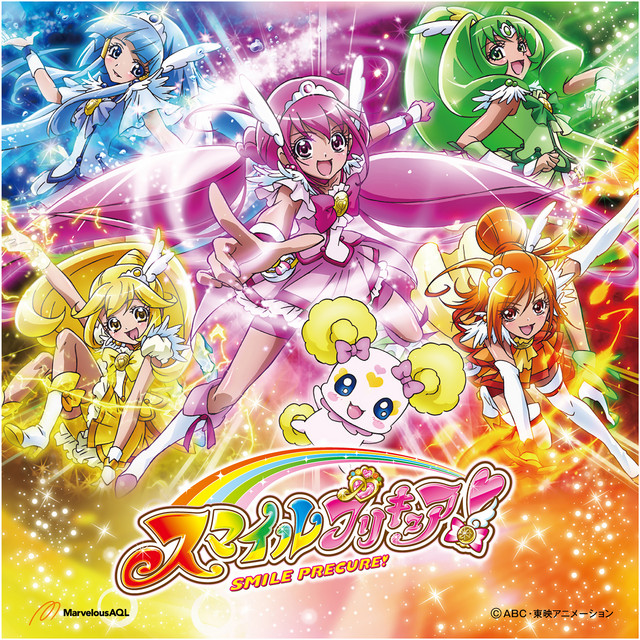
池田彩
Japan
5,767
42,551 listeners
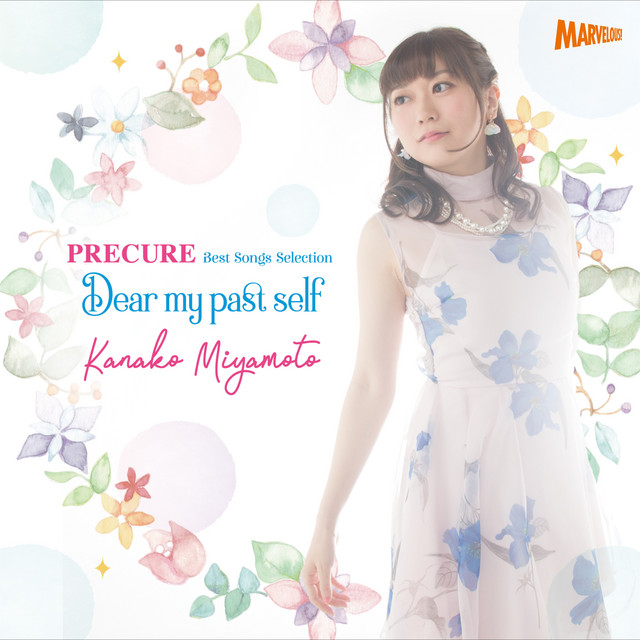
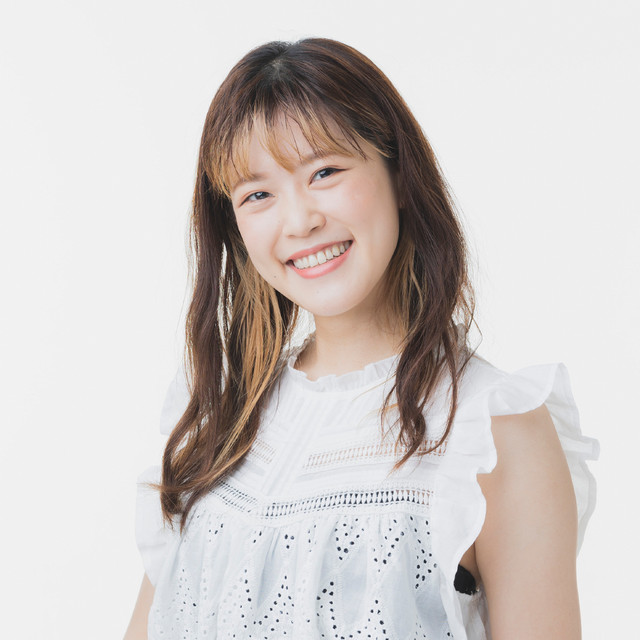

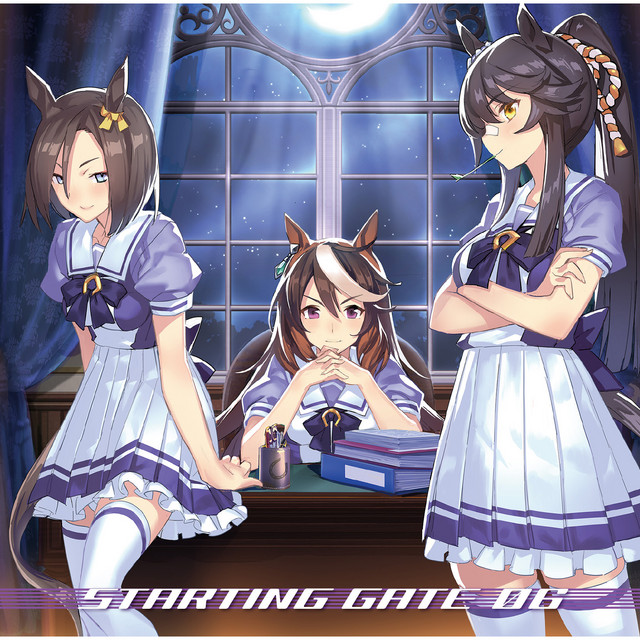

15

うちやえゆか
2,558
21,577 listeners
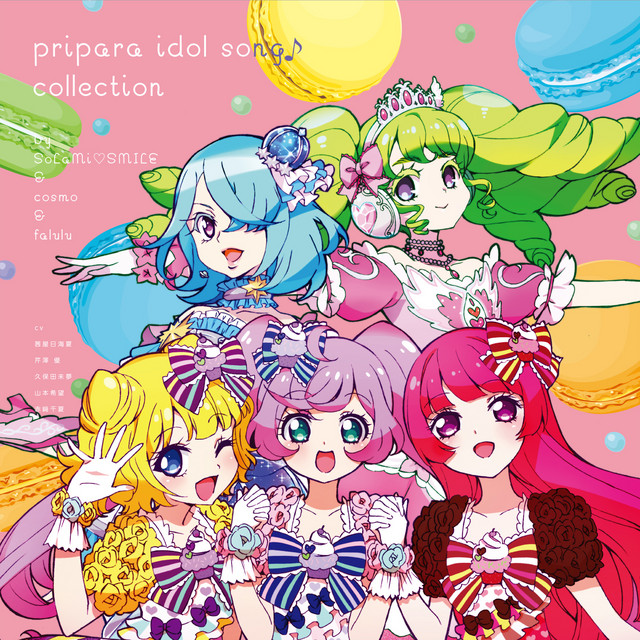
20
林 桃子
725
14,809 listeners
21
茂家瑞季
778
14,708 listeners

About Shojo
Note: “Shojo” is not a formally recognized music genre today. The following is a conceptual, speculative description of a hypothetical style inspired by shōjo culture—intended for enthusiasts who enjoy cross-cultural fusion, dreamlike textures, and emotionally direct storytelling through sound.
Origins and spirit
Shojo emerges from a cross-pollination of shōjo aesthetics—bright, delicate, adolescent romance, pastel palettes, and a sense of wonder—with contemporary dream pop, indie electronic, and light J-pop. It takes root in bedroom studios and online collaborations, late 2010s to early 2020s, as producers and vocalists in Japan, Europe, and North America began exchanging riffs, samples, and video ideas that evoke soft gravity, rainfall, and the hush of a diary being opened. The genre prizes accessibility and intimacy: a music that feels like a note tucked into a notebook, a confession sung softly into a handheld recorder, a chorus that invites you to hum along in a quiet moment.
Sound and production
Shojo is defined by a luminous, tactile sonic world. Expect lush, rolling synth pads that shimmer like glossy paper, delicate guitar arpeggios, and programmable drums with a restrained but buoyant groove. Vocal lines are airy and intimate, often delivered in a whisper or lilting cadence, sometimes layered with harmonies that recall choir memories from a school festival. Production favors warmth and clarity over aggression: analog warmth, tape hiss, and subtle vinyl crackle sometimes anchor the mix, while digital precision keeps melodies crisp. Themes lean toward adolescence, longing, first loves, and the quiet resolve that follows heartbreak. The aesthetic blends dreaminess with a touch of nostalgia—think pastel sunsets, rain-slicked streets, and indoor scenes lit by string lights.
Influences and approach
Shojo borrows from dream pop, indie electronica, J-pop’s melodic clarity, and the cinematic mood of anime soundtracks. It shares a kinship with shoegaze’s swirl of textures, but with a sharper sense of narrative and character. Vocals may be bilingual or feature soft English lines alongside Japanese or Korean phrases, reflecting transnational fan communities. The genre often incorporates field recordings—storefront chatter, subway ambient, the distant hum of a city at dusk—to ground its fantasy in real-life textures. Lyrically, shojo favors immediacy and specificity: a single image or moment can become the fulcrum of a larger emotional arc.
Ambassadors and key acts (conceptual)
In this conceptual frame, a few fictional ambassadors exemplify the shojo mood:
- Aya Mizuki (fictional) — Tokyo-based singer-producer known for intimate vocal-led tracks and pastel-tinged productions.
- Nova Sora (fictional) — Paris-based DJ and composer who blends electro-pop with dreamlike strings and chanson-inflected phrasing.
- Kaito Li (fictional) — Brooklyn-based guitarist-producer who adds gentle jazz imprinting and ambient textures to shojo rhythms.
- Lumen Kai (fictional) — a collaborative project that bridges Southeast Asian synth aesthetics with Japanese pop sensibilities.
Geography and audience
Shojo tends to thrive where indie scenes overlap with anime culture and international pop sensibilities. It has found receptive communities in Japan, South Korea, and parts of Europe (France, Germany, the UK) as well as North America. Its core audience comprises music enthusiasts who prize mood, lyric specificity, and the joy of discovery—listeners who enjoy immersive listening on headphones, late-night livestreams, and intimate live performances at small venues, art spaces, and convention stages.
Why it matters
Shojo offers a bridge between personal storytelling and electronic craft, a genre that treats adolescence as a robust, cinematic subject rather than a footnote. For listeners, it provides a sonic space where sweetness and ache coexist, where every chord and breath feels like a page turn in a beloved coming-of-age diary. If you crave music that glows softly yet lingers, shojo invites you to press play and lean into the tenderness.
Origins and spirit
Shojo emerges from a cross-pollination of shōjo aesthetics—bright, delicate, adolescent romance, pastel palettes, and a sense of wonder—with contemporary dream pop, indie electronic, and light J-pop. It takes root in bedroom studios and online collaborations, late 2010s to early 2020s, as producers and vocalists in Japan, Europe, and North America began exchanging riffs, samples, and video ideas that evoke soft gravity, rainfall, and the hush of a diary being opened. The genre prizes accessibility and intimacy: a music that feels like a note tucked into a notebook, a confession sung softly into a handheld recorder, a chorus that invites you to hum along in a quiet moment.
Sound and production
Shojo is defined by a luminous, tactile sonic world. Expect lush, rolling synth pads that shimmer like glossy paper, delicate guitar arpeggios, and programmable drums with a restrained but buoyant groove. Vocal lines are airy and intimate, often delivered in a whisper or lilting cadence, sometimes layered with harmonies that recall choir memories from a school festival. Production favors warmth and clarity over aggression: analog warmth, tape hiss, and subtle vinyl crackle sometimes anchor the mix, while digital precision keeps melodies crisp. Themes lean toward adolescence, longing, first loves, and the quiet resolve that follows heartbreak. The aesthetic blends dreaminess with a touch of nostalgia—think pastel sunsets, rain-slicked streets, and indoor scenes lit by string lights.
Influences and approach
Shojo borrows from dream pop, indie electronica, J-pop’s melodic clarity, and the cinematic mood of anime soundtracks. It shares a kinship with shoegaze’s swirl of textures, but with a sharper sense of narrative and character. Vocals may be bilingual or feature soft English lines alongside Japanese or Korean phrases, reflecting transnational fan communities. The genre often incorporates field recordings—storefront chatter, subway ambient, the distant hum of a city at dusk—to ground its fantasy in real-life textures. Lyrically, shojo favors immediacy and specificity: a single image or moment can become the fulcrum of a larger emotional arc.
Ambassadors and key acts (conceptual)
In this conceptual frame, a few fictional ambassadors exemplify the shojo mood:
- Aya Mizuki (fictional) — Tokyo-based singer-producer known for intimate vocal-led tracks and pastel-tinged productions.
- Nova Sora (fictional) — Paris-based DJ and composer who blends electro-pop with dreamlike strings and chanson-inflected phrasing.
- Kaito Li (fictional) — Brooklyn-based guitarist-producer who adds gentle jazz imprinting and ambient textures to shojo rhythms.
- Lumen Kai (fictional) — a collaborative project that bridges Southeast Asian synth aesthetics with Japanese pop sensibilities.
Geography and audience
Shojo tends to thrive where indie scenes overlap with anime culture and international pop sensibilities. It has found receptive communities in Japan, South Korea, and parts of Europe (France, Germany, the UK) as well as North America. Its core audience comprises music enthusiasts who prize mood, lyric specificity, and the joy of discovery—listeners who enjoy immersive listening on headphones, late-night livestreams, and intimate live performances at small venues, art spaces, and convention stages.
Why it matters
Shojo offers a bridge between personal storytelling and electronic craft, a genre that treats adolescence as a robust, cinematic subject rather than a footnote. For listeners, it provides a sonic space where sweetness and ache coexist, where every chord and breath feels like a page turn in a beloved coming-of-age diary. If you crave music that glows softly yet lingers, shojo invites you to press play and lean into the tenderness.