Genre
sillycore
Top Sillycore Artists
Showing 19 of 19 artists






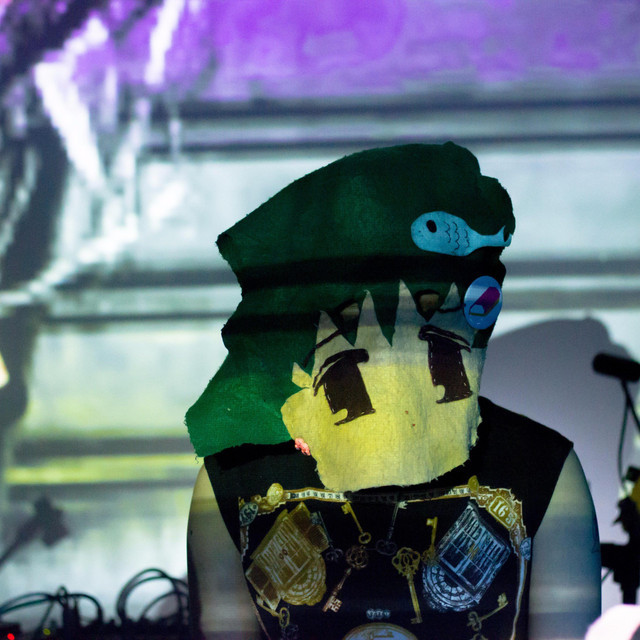


About Sillycore
Sillycore is a music genre that believes joy and absurdity deserve their own loudspeaker. It thrives on collage-like production, toy-instrument timbres, and sound design that teeters between prank and art. Tracks often feel like musical memes: short, punchy, and built from a wink and a nod to everything from cartoon sound effects to public-domain chatter. The result is a sonic playground where humor, DIY ethos, and pop-culture nostalgia collide, rarely taking itself too seriously while still inviting careful listening and repeat immersion.
Origins and context are diffuse by design. Sillycore emerged in the internet’s bedroom-studio culture of the 2010s, germinating at the crossroads of meme culture, lo-fi experimentation, and the ease of sharing audio on platforms like Bandcamp and SoundCloud. Because there’s no formal canon, its birth is best described as a loose moment: a convergence of artists and hobbyists who started treating playful samples—snatches from cartoons, commercials, game soundtracks, and spoken word—as legitimate building blocks rather than mere trivia. The genre grew through online compilations, zines, live-streams, and small, independent labels that celebrated mutability and humor over polish. In this way, sillycore resembles a mood more than a fixed recipe: a permission slip to remix, parody, and recontextualize.
Sonically, sillycore favors a few recognizable tactics. Expect punchy drum machines, glitchy edits, and fast-cut sample collages that create a breathless, almost cartoonish energy. Melodies lean naive and infectious, often played on toy pianos, kazoo, or chiptune-inspired synths. Vocals may be delivered with deadpan sincerity, sped-up or slowed-down for comic effect, or appear as spoken interjections embedded in a broader sonic tapestry. Structure tends toward compactness: tracks are typically short, sometimes looped, inviting quick replays and recontextualization in playlists or live sets. The aesthetics embrace imperfection—grainy textures, analogue hiss, and deliberate “mistakes” that feel charming rather than sloppy. The result can be delightfully anarchic: music that sounds like a chaotic prank but rewards attentive listening and a shared sense of humor.
Ambassadors and key figures in sillycore are often not traditional stars but community-driven curators, anonymous producers, and collectives that release DIY pressings, curate online compilations, and host small but fervent live showcases. Because the scene is highly distributed, there isn’t a single roster to name; instead, look for label crews and online communities that champion the aesthetic, host collaborative projects, and keep the conversation playful and experimental. In practice, the genre’s ambassadors are the hands-on organizers—people who glue together disparate samples, facilitate collaborations, and make room for new voices to contribute to a continually evolving soundscape.
Geographically, sillycore’s reach is internet-born, with the strongest roots in the United States and Western Europe, where many early online communities and micro-labels clustered. It also finds pockets in Japan, Brazil, parts of Scandinavia, and other regions with active independent-music scenes. The audience tends to be fellow enthusiasts of meme culture, niche electronic sounds, and experimental pop, often listening across platforms and curating playlists that cross borders as easily as they cross genres.
For curious listeners, the best entry points are tagged playlists and compilations labeled sillycore, meme-core, or glitch-pop on Bandcamp and SoundCloud, plus community-driven zines and discussion threads that map new creators. Sillycore rewards open-minded exploration: follow the threads, sample the jokes, and you may discover a track that feels both ridiculous and intensely musical in the same breath.
Origins and context are diffuse by design. Sillycore emerged in the internet’s bedroom-studio culture of the 2010s, germinating at the crossroads of meme culture, lo-fi experimentation, and the ease of sharing audio on platforms like Bandcamp and SoundCloud. Because there’s no formal canon, its birth is best described as a loose moment: a convergence of artists and hobbyists who started treating playful samples—snatches from cartoons, commercials, game soundtracks, and spoken word—as legitimate building blocks rather than mere trivia. The genre grew through online compilations, zines, live-streams, and small, independent labels that celebrated mutability and humor over polish. In this way, sillycore resembles a mood more than a fixed recipe: a permission slip to remix, parody, and recontextualize.
Sonically, sillycore favors a few recognizable tactics. Expect punchy drum machines, glitchy edits, and fast-cut sample collages that create a breathless, almost cartoonish energy. Melodies lean naive and infectious, often played on toy pianos, kazoo, or chiptune-inspired synths. Vocals may be delivered with deadpan sincerity, sped-up or slowed-down for comic effect, or appear as spoken interjections embedded in a broader sonic tapestry. Structure tends toward compactness: tracks are typically short, sometimes looped, inviting quick replays and recontextualization in playlists or live sets. The aesthetics embrace imperfection—grainy textures, analogue hiss, and deliberate “mistakes” that feel charming rather than sloppy. The result can be delightfully anarchic: music that sounds like a chaotic prank but rewards attentive listening and a shared sense of humor.
Ambassadors and key figures in sillycore are often not traditional stars but community-driven curators, anonymous producers, and collectives that release DIY pressings, curate online compilations, and host small but fervent live showcases. Because the scene is highly distributed, there isn’t a single roster to name; instead, look for label crews and online communities that champion the aesthetic, host collaborative projects, and keep the conversation playful and experimental. In practice, the genre’s ambassadors are the hands-on organizers—people who glue together disparate samples, facilitate collaborations, and make room for new voices to contribute to a continually evolving soundscape.
Geographically, sillycore’s reach is internet-born, with the strongest roots in the United States and Western Europe, where many early online communities and micro-labels clustered. It also finds pockets in Japan, Brazil, parts of Scandinavia, and other regions with active independent-music scenes. The audience tends to be fellow enthusiasts of meme culture, niche electronic sounds, and experimental pop, often listening across platforms and curating playlists that cross borders as easily as they cross genres.
For curious listeners, the best entry points are tagged playlists and compilations labeled sillycore, meme-core, or glitch-pop on Bandcamp and SoundCloud, plus community-driven zines and discussion threads that map new creators. Sillycore rewards open-minded exploration: follow the threads, sample the jokes, and you may discover a track that feels both ridiculous and intensely musical in the same breath.