Genre
sindhi
Top Sindhi Artists
Showing 16 of 16 artists


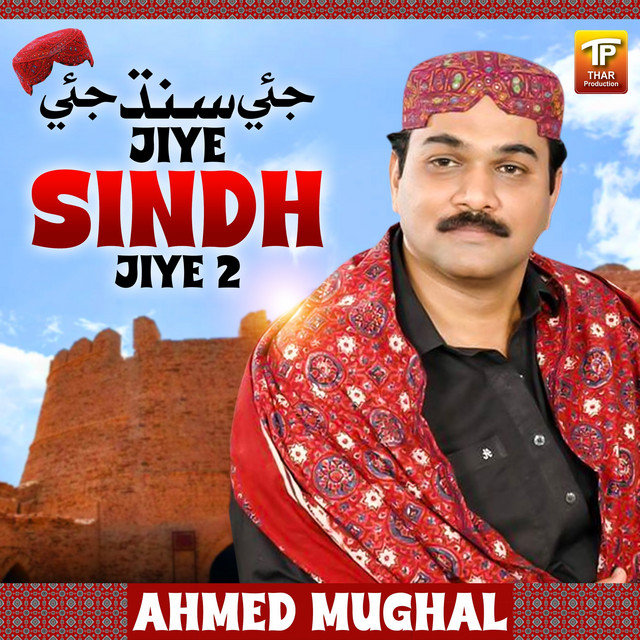


About Sindhi
Sindhi music is the soundscape of the Sindh region, a lush thread woven from desert winds, the Indus river, and centuries of Sufi devotion and village celebration. It is both deeply devotional and earthily festive, capable of meditative hush and exuberant dance. For music enthusiasts, Sindhi sounds offer a gateway to a rich regional tradition that has fed the broader currents of South Asian folk, Sufi, and contemporary fusion.
Origins and core spirit
The roots lie in Sindh’s rural life and its Sufi culture. A pivotal figure in shaping its melodic language is Shah Abdul Latif Bhittai (1650s–1752), whose Risalo (his collection of poetry) became the backbone of Sindhi song. His verses — mystical, lyrical, earthy — were transmitted orally for generations, set to melodies that villagers could sing in courts, on courtyards, or during spiritual gatherings. The traditional form most closely linked to Sindhi singing is the kafi, a lyrical, often devotional mode that treats longing, mysticism, and social reflection with spare, resonant beauty. Over time, Sindhi music absorbed other regional strands and modern sensibilities, evolving into a living tradition that honors its roots while welcoming new sounds.
Forms, instruments, and performance
Traditional Sindhi performances are anchored by folk forms used in daily life, weddings, and religious gatherings. Jhumar, a dance-oriented rhythm with a punchy, infectious pulse, is a standout example of how Sindhi music can be celebratory and communal. Common instruments in folk ensembles include the alghoza (a pair of flutes played together), the dhol or dholak for driving rhythm, and harmonic accompaniment on a harmonium. Rhythm and call-and-response exchanges are prized, giving the music a conversational, inclusive energy that invites participation.
From folk stages to global ears, Sindhi music has always carried a spiritual current. It is especially associated with Sufi-inflected vocal style, where the voice becomes a conduit for mystical poetry and emotional intensity, often delivered in a raw, unadorned timbre that emphasizes sincerity over virtuosity.
Key artists and ambassadors
Several artists have become emblematic voices for Sindhi music. Abida Parveen stands as a towering global ambassador of Sufi-influenced singing, often performing in Sindhi, Urdu, and Punjabi. Her grave, soaring voice and spiritual phrasing have helped bring Sindhi devotional songs to international audiences. Reshma, a legendary folk singer from Sindh, captivated listeners with her earthy, powerful textures and timeless folk ballads. Mai Dhai has gained renown for her elusive, haunting renderings of Sindhi folk and Sufi laments, embodying a deep melodic memory of the region. On the modern crossover side, bands like The Sketches have fused Sindhi folk language with contemporary rock and pop sensibilities, widening the genre’s reach to younger audiences while maintaining a strong cultural identity.
Where it thrives
Sindhi music remains most popular in Pakistan’s Sindh province, where it is embedded in daily life, weddings, and religious gatherings. It enjoys a robust diaspora presence in India, the Gulf region, and beyond, where Sindhi communities maintain and adapt their musical heritage. In global music scenes, it finds listeners among world-music enthusiasts and fans of Sufi-influenced sound, often via live performances, compilations, and digital platforms that celebrate regional voices.
In short, Sindhi music is a speaker of place and spirituality: a tradition rooted in Shah Latif’s poetic landscapes, sung in the open air of villages, and carried forward by voices that travel—from intimate gatherings to international stages—carrying the timeless scent of Sindh’s deserts, rivers, and longing.
Origins and core spirit
The roots lie in Sindh’s rural life and its Sufi culture. A pivotal figure in shaping its melodic language is Shah Abdul Latif Bhittai (1650s–1752), whose Risalo (his collection of poetry) became the backbone of Sindhi song. His verses — mystical, lyrical, earthy — were transmitted orally for generations, set to melodies that villagers could sing in courts, on courtyards, or during spiritual gatherings. The traditional form most closely linked to Sindhi singing is the kafi, a lyrical, often devotional mode that treats longing, mysticism, and social reflection with spare, resonant beauty. Over time, Sindhi music absorbed other regional strands and modern sensibilities, evolving into a living tradition that honors its roots while welcoming new sounds.
Forms, instruments, and performance
Traditional Sindhi performances are anchored by folk forms used in daily life, weddings, and religious gatherings. Jhumar, a dance-oriented rhythm with a punchy, infectious pulse, is a standout example of how Sindhi music can be celebratory and communal. Common instruments in folk ensembles include the alghoza (a pair of flutes played together), the dhol or dholak for driving rhythm, and harmonic accompaniment on a harmonium. Rhythm and call-and-response exchanges are prized, giving the music a conversational, inclusive energy that invites participation.
From folk stages to global ears, Sindhi music has always carried a spiritual current. It is especially associated with Sufi-inflected vocal style, where the voice becomes a conduit for mystical poetry and emotional intensity, often delivered in a raw, unadorned timbre that emphasizes sincerity over virtuosity.
Key artists and ambassadors
Several artists have become emblematic voices for Sindhi music. Abida Parveen stands as a towering global ambassador of Sufi-influenced singing, often performing in Sindhi, Urdu, and Punjabi. Her grave, soaring voice and spiritual phrasing have helped bring Sindhi devotional songs to international audiences. Reshma, a legendary folk singer from Sindh, captivated listeners with her earthy, powerful textures and timeless folk ballads. Mai Dhai has gained renown for her elusive, haunting renderings of Sindhi folk and Sufi laments, embodying a deep melodic memory of the region. On the modern crossover side, bands like The Sketches have fused Sindhi folk language with contemporary rock and pop sensibilities, widening the genre’s reach to younger audiences while maintaining a strong cultural identity.
Where it thrives
Sindhi music remains most popular in Pakistan’s Sindh province, where it is embedded in daily life, weddings, and religious gatherings. It enjoys a robust diaspora presence in India, the Gulf region, and beyond, where Sindhi communities maintain and adapt their musical heritage. In global music scenes, it finds listeners among world-music enthusiasts and fans of Sufi-influenced sound, often via live performances, compilations, and digital platforms that celebrate regional voices.
In short, Sindhi music is a speaker of place and spirituality: a tradition rooted in Shah Latif’s poetic landscapes, sung in the open air of villages, and carried forward by voices that travel—from intimate gatherings to international stages—carrying the timeless scent of Sindh’s deserts, rivers, and longing.