Genre
australian indigenous music
Top Australian indigenous music Artists
Showing 25 of 105 artists




About Australian indigenous music
Australian Indigenous music is a living spectrum of sound rooted in the languages, lands, and ceremonies of Aboriginal and Torres Strait Islander peoples. It ranges from ceremonial chant and ritual storytelling to contemporary ensembles that fuse traditional voices with rock, hip‑hop, jazz, reggae, and electronic textures. For many artists, music is a way to carry country, language, and memory into new contexts, while asserting cultural sovereignty. The genre is not a single style but a family of practices—soundtracks to ceremony, languages sung aloud, and clinics of collaboration—that travels across Australia and beyond, inviting listeners into a spacious, urgent conversation between ancient connection and modern life.
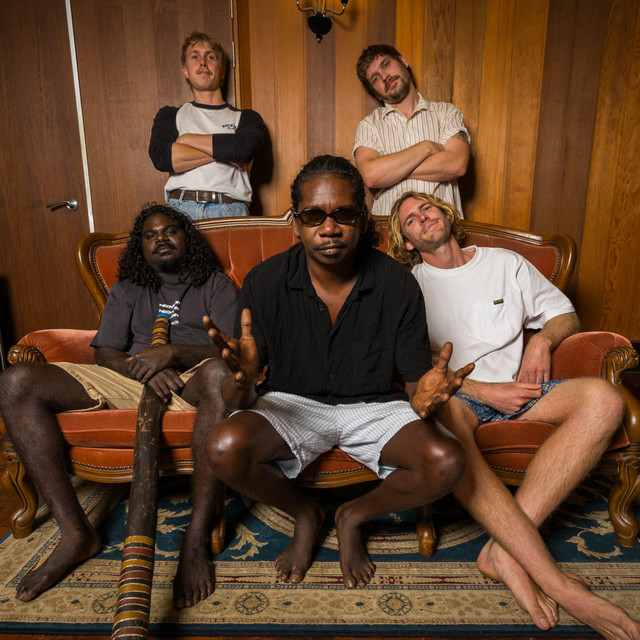
Traditional roots begin long before colonization, with songlines that map the land, ceremonies marking seasons, and stories carried in languages that reach across deserts, coastlines, and savannas. In many communities clapsticks provide percussive punctuation, while the didgeridoo—most strongly associated with northern Australia—creates a resonant drone that anchors rhythm and mood. Regions differ in style and language: Yolŋu, Arrernte, Pitjantjatjara, Noongar, and dozens more maintain distinct repertoires. When Indigenous musicians began recording and touring in the mid-20th century, they layered these rooted sounds with rock, reggae, folk, and later electronic textures, forging a robust contemporary soundscape across communities and borders worldwide.
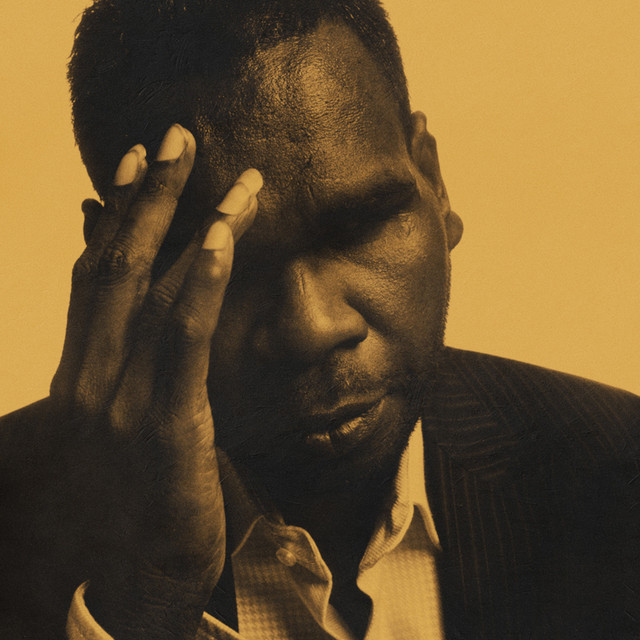
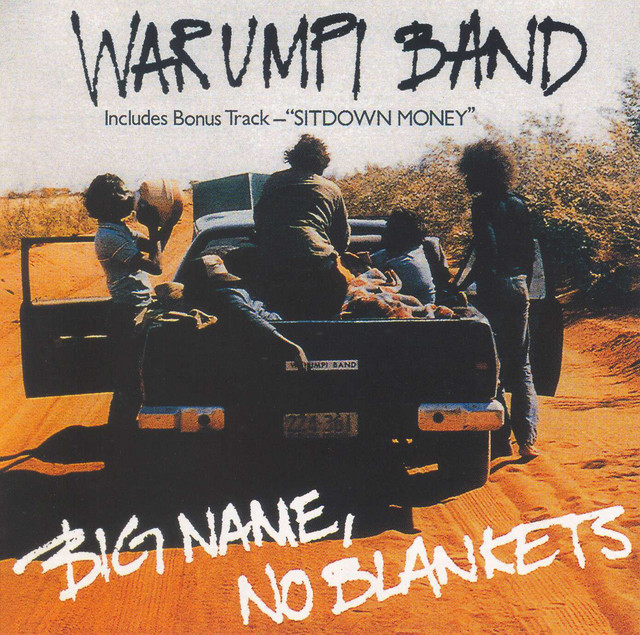
Several artists have become ambassadors for Indigenous sound. The didgeridoo and the human voice anchor traditions, but in the late 20th century a new generation expanded the field. Yothu Yindi fused Yolŋu chanting with Western rock, helping bring Indigenous voices into international festival circuits. Christine Anu turned language into pop-friendly anthems with My Island Home and other works that reached global audiences. Archie Roach wrote intimate songs about displacement and resilience, becoming a touchstone for many listeners. Kev Carmody’s stark storytelling—often with Paul Kelly—brought Indigenous experiences into Australian social commentary. Geoffrey Gurrumul Yunupingu, known as Gurrumul, mesmerized audiences with a voice steeped in Yolŋu language and spirituality, releasing several acclaimed albums. More recently, acts such as Warumpi Band, Dan Sultan, and Baker Boy have pushed language, rhythm, and dance into pop, hip‑hop, and electronic contexts, while maintaining a rooted sense of place. Collectively these artists broaden perceptions of Indigenous music and inspire new generations to experiment with language, form, and collaboration across communities, regions, and international stages worldwide for audiences.
Where it is most prominent, Indigenous music anchors festivals, education programs, and cultural diplomacy. In Australia it sits at the heart of national identity, taught in schools, supported by arts funding, and celebrated at major venues and broadcast platforms. Internationally, it travels through world music circuits, collaborative projects, and cross‑cultural residencies, with listeners drawn to language vitality, rhythmic imagination, and the healing power of stories spoken through song. A growing stream of younger artists blends Yolŋu languages with hip‑hop, pop, and dance music, ensuring continuity while pushing boundaries. Beyond entertainment, Indigenous music is often a means of language preservation, cultural revival, and political assertion, reminding audiences that art can be a space for memory, resilience, and hope. It invites listeners to hear culture, not folklore.
Traditional roots begin long before colonization, with songlines that map the land, ceremonies marking seasons, and stories carried in languages that reach across deserts, coastlines, and savannas. In many communities clapsticks provide percussive punctuation, while the didgeridoo—most strongly associated with northern Australia—creates a resonant drone that anchors rhythm and mood. Regions differ in style and language: Yolŋu, Arrernte, Pitjantjatjara, Noongar, and dozens more maintain distinct repertoires. When Indigenous musicians began recording and touring in the mid-20th century, they layered these rooted sounds with rock, reggae, folk, and later electronic textures, forging a robust contemporary soundscape across communities and borders worldwide.
Several artists have become ambassadors for Indigenous sound. The didgeridoo and the human voice anchor traditions, but in the late 20th century a new generation expanded the field. Yothu Yindi fused Yolŋu chanting with Western rock, helping bring Indigenous voices into international festival circuits. Christine Anu turned language into pop-friendly anthems with My Island Home and other works that reached global audiences. Archie Roach wrote intimate songs about displacement and resilience, becoming a touchstone for many listeners. Kev Carmody’s stark storytelling—often with Paul Kelly—brought Indigenous experiences into Australian social commentary. Geoffrey Gurrumul Yunupingu, known as Gurrumul, mesmerized audiences with a voice steeped in Yolŋu language and spirituality, releasing several acclaimed albums. More recently, acts such as Warumpi Band, Dan Sultan, and Baker Boy have pushed language, rhythm, and dance into pop, hip‑hop, and electronic contexts, while maintaining a rooted sense of place. Collectively these artists broaden perceptions of Indigenous music and inspire new generations to experiment with language, form, and collaboration across communities, regions, and international stages worldwide for audiences.
Where it is most prominent, Indigenous music anchors festivals, education programs, and cultural diplomacy. In Australia it sits at the heart of national identity, taught in schools, supported by arts funding, and celebrated at major venues and broadcast platforms. Internationally, it travels through world music circuits, collaborative projects, and cross‑cultural residencies, with listeners drawn to language vitality, rhythmic imagination, and the healing power of stories spoken through song. A growing stream of younger artists blends Yolŋu languages with hip‑hop, pop, and dance music, ensuring continuity while pushing boundaries. Beyond entertainment, Indigenous music is often a means of language preservation, cultural revival, and political assertion, reminding audiences that art can be a space for memory, resilience, and hope. It invites listeners to hear culture, not folklore.