Genre
singing bowl
Top Singing bowl Artists
Showing 25 of 54 artists








About Singing bowl
Singing bowl music is a contemporary sonic practice built around the ancient metal bowls long used in Himalayan Buddhist cultures. What music enthusiasts often describe as the “singing bowl genre” centers on the resonant, overtone-rich tones produced when the bowl is struck or circled with a mallet. The result is a shimmering, meditative soundscape that can feel like a choir of half-remembered bells, wind chimes, and wind itself. It sits at the intersection of ritual sound, ambient music, and modern sound healing, inviting listeners to listen with a heightened sense of attention.
Origins and birth of the sound
The bowls themselves come from the Himalayan belt—primarily Nepal, Tibet, and adjacent regions of India and Bhutan. They have a long ritual lineage in monasteries and temples, where they accompanied meditation, prayer, and ceremonial ritual for centuries. The modern association of these metal bowls with a standalone music genre began to take shape in the mid-20th century, as Western audiences encountered Tibetan culture more widely and the global rise of mindfulness, yoga, and wellness culture popularized sonic healing practices. Since then, the singing bowl has traveled from temple halls to concert stages, studios, and living rooms, where it’s often used solo or in small ensembles with other acoustic or electronic sounds.
How the sound is made and what makes it special
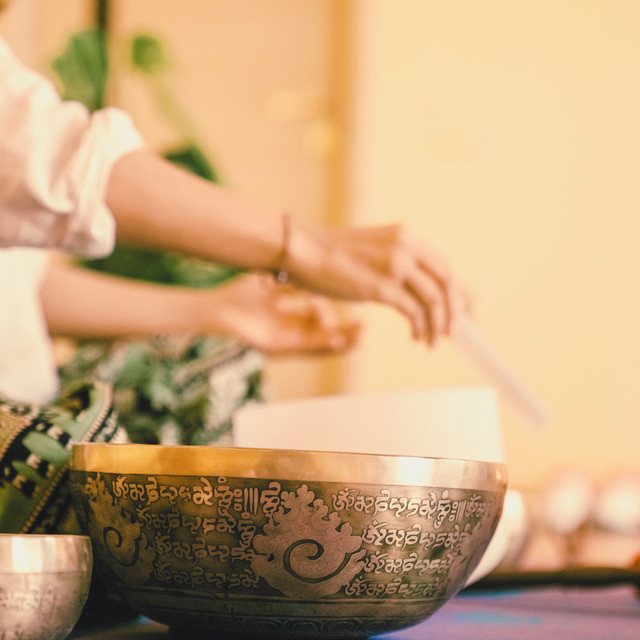
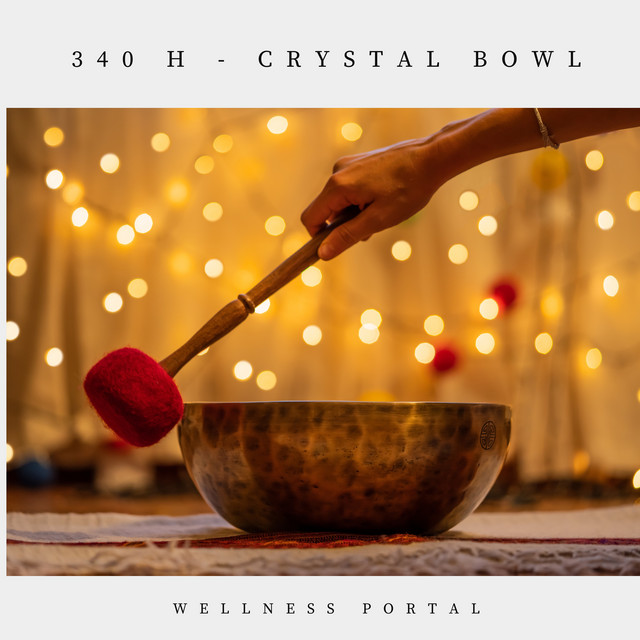
Singing bowls are typically bronze or bronze-like alloys. The sound is produced by two main techniques: striking and rim rubbing. A mallet or striker taps the bowl to generate an initial note; rubbing the smooth rim with a leather-wrapped mallet excites the bowl into a continuous, singing drone replete with rich overtones. The pitch depends on the bowl’s size, thickness, and alloy, while the sustain and brightness come from the interaction of the bowl’s body with the air and the player’s technique. In performance contexts, players often combine multiple bowls of different sizes or blend bowls with other instruments, electronics, or spoken word to create evolving texture.
Key artists and ambassadors
Within the field of sound healing and contemplative music, several practitioners are widely regarded as ambassadors of the singing bowl sound. Notable figures include Don Conreaux, a pioneer in the Western sound-healing community who has taught and performed extensively with singing bowls; and Jonathan Goldman, author and educator whose work on sound healing helped disseminate bowl-based practices to a broad audience. In the spiritual sphere, Tibetan Buddhist teachers and centers have kept the bowls’ ceremonial identity alive and have introduced broader audiences to their calming, meditative potential.
Geography and popularity
Today, the bowls are deeply embedded in Nepal, Tibet, and the broader Himalayan belt; they remain integral to Buddhist ritual in those regions. Outside Asia, they enjoy particular popularity in the United States, the United Kingdom, Germany, Canada, Australia, and across Europe, where they are common in meditation centers, yoga studios, spa environments, and contemporary experimental and ambient music scenes. The genre continues to grow as artists and listeners explore the balance between ritual authenticity and exploratory listening—often incorporating field recordings, looped textures, and collaborative projects that push the singing bowl into new sonic territories.
Origins and birth of the sound
The bowls themselves come from the Himalayan belt—primarily Nepal, Tibet, and adjacent regions of India and Bhutan. They have a long ritual lineage in monasteries and temples, where they accompanied meditation, prayer, and ceremonial ritual for centuries. The modern association of these metal bowls with a standalone music genre began to take shape in the mid-20th century, as Western audiences encountered Tibetan culture more widely and the global rise of mindfulness, yoga, and wellness culture popularized sonic healing practices. Since then, the singing bowl has traveled from temple halls to concert stages, studios, and living rooms, where it’s often used solo or in small ensembles with other acoustic or electronic sounds.
How the sound is made and what makes it special
Singing bowls are typically bronze or bronze-like alloys. The sound is produced by two main techniques: striking and rim rubbing. A mallet or striker taps the bowl to generate an initial note; rubbing the smooth rim with a leather-wrapped mallet excites the bowl into a continuous, singing drone replete with rich overtones. The pitch depends on the bowl’s size, thickness, and alloy, while the sustain and brightness come from the interaction of the bowl’s body with the air and the player’s technique. In performance contexts, players often combine multiple bowls of different sizes or blend bowls with other instruments, electronics, or spoken word to create evolving texture.
Key artists and ambassadors
Within the field of sound healing and contemplative music, several practitioners are widely regarded as ambassadors of the singing bowl sound. Notable figures include Don Conreaux, a pioneer in the Western sound-healing community who has taught and performed extensively with singing bowls; and Jonathan Goldman, author and educator whose work on sound healing helped disseminate bowl-based practices to a broad audience. In the spiritual sphere, Tibetan Buddhist teachers and centers have kept the bowls’ ceremonial identity alive and have introduced broader audiences to their calming, meditative potential.
Geography and popularity
Today, the bowls are deeply embedded in Nepal, Tibet, and the broader Himalayan belt; they remain integral to Buddhist ritual in those regions. Outside Asia, they enjoy particular popularity in the United States, the United Kingdom, Germany, Canada, Australia, and across Europe, where they are common in meditation centers, yoga studios, spa environments, and contemporary experimental and ambient music scenes. The genre continues to grow as artists and listeners explore the balance between ritual authenticity and exploratory listening—often incorporating field recordings, looped textures, and collaborative projects that push the singing bowl into new sonic territories.