Genre
sitar
Top Sitar Artists
Showing 24 of 24 artists






About Sitar
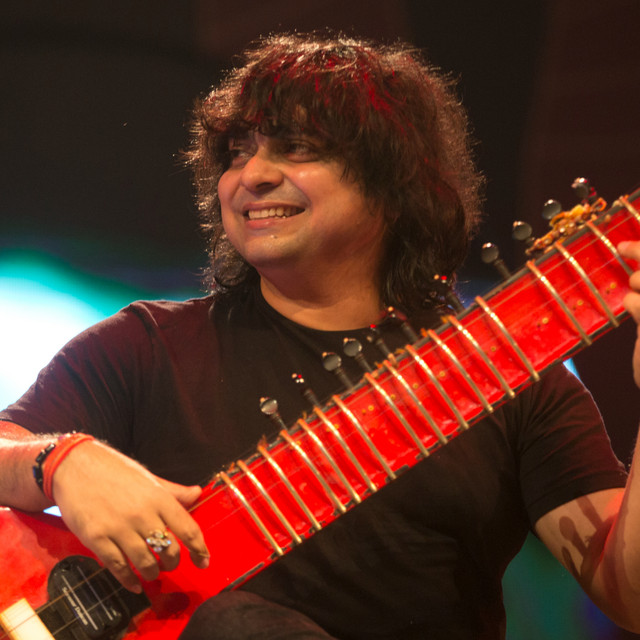
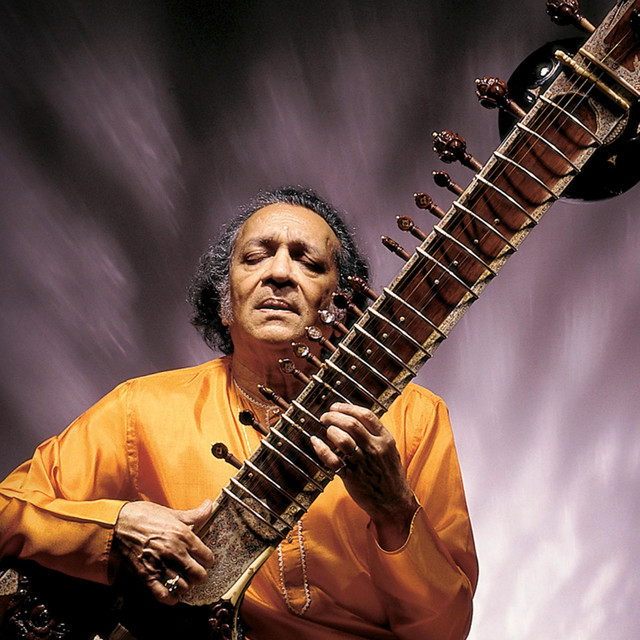
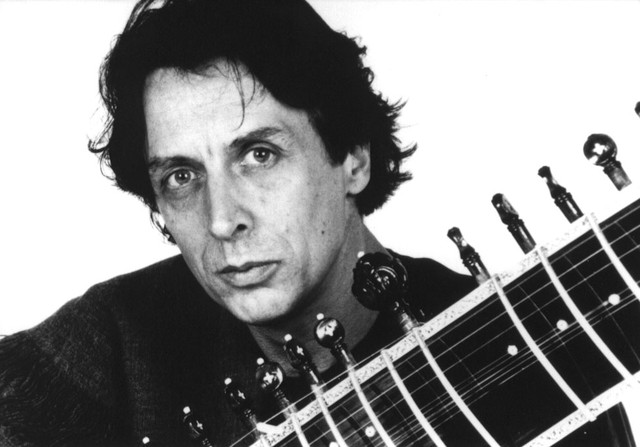
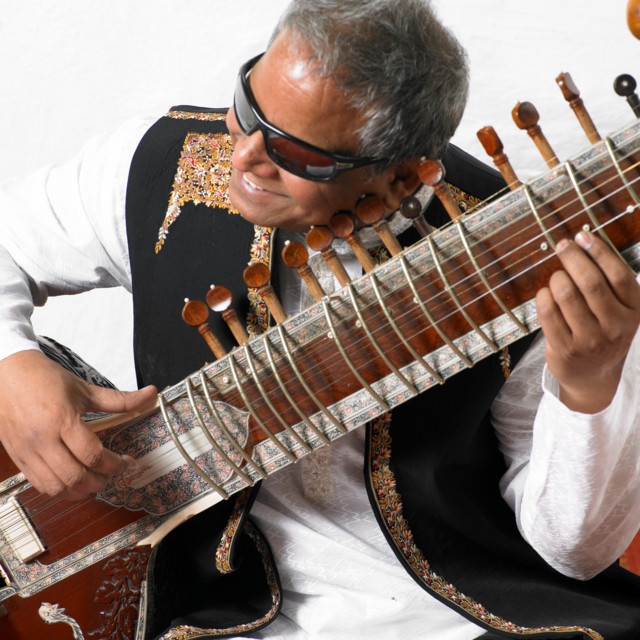
Sitar music, in the most widely heard sense, is the Hindustani classical tradition propelled by the sitar as its lead voice. It is not a standalone “genre” in the Western sense, but a highly developed repertory of improvisation and composition built around the sitar’s shimmering timbre. Performances typically unfold in a raga framework, beginning with a slow melodic exploration (alap), moving into progressively rhythmic development (jor and jhala), and often concluding with composed pieces set to tala, where a tabla partnership or other percussion supports intricate rhythmic cycles. The sound is defined by a long neck with movable frets, a resonant gourd body, sympathetic strings, and a delicate, singing tone capable of extraordinary nuance and microtonal inflection.
Origins and development trace a long arc through North Indian culture, with the instrument’s modern form crystallizing in the 18th through 19th centuries under Mughal and regional court patronage. The sitar’s tuning, strings, and jawari (the buzzing bridge relation that gives it its characteristic tremor) were refined to support raga-specific ornamentation and expressive slides (meend). The instrument rose to prominence in the 20th century as a central voice in Hindustani ensembles, and as a solo vehicle for virtuoso improvisation. Its popularity expanded dramatically after world-renowned maestros began teaching and recording for audiences beyond India, transforming the sitar into a global ambassador for Indian classical music.
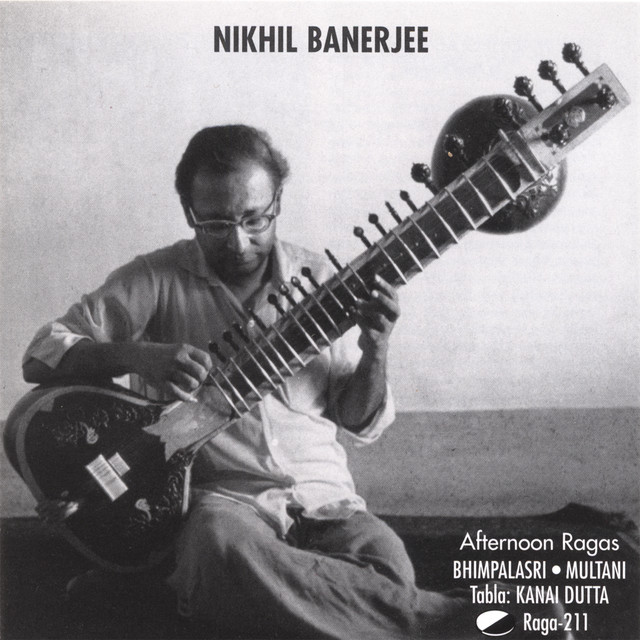
Key ambassadors of sitar music include Ravi Shankar, who choreographed a cultural exchange between East and West that helped introduce Indian classical sensibilities to a broad international audience. Shankar’s rendering of ragas with refined tone and its virtuosic expressiveness, along with collaborations such as the historic album with violinist Yehudi Menuhin, solidified the sitar’s place on world stages. Vilayat Khan, celebrated for the “gayaki style” of playing—an effort to imitate vocal phrasing on the instrument—expanded the expressive possibilities of sitar performance. Nikhil Banerjee, renowned for his austere, intensely melodic approach, remains a touchstone of technical mastery. In the next generation, artists like Anoushka Shankar and Shujaat Khan have carried the tradition forward, keeping the repertoire both rooted and evolving.
Sitar music enjoys its strongest popularity in India and neighboring regions, with deep roots in urban centers and royal courts alike. It thrives in diasporic communities across the United States, United Kingdom, Canada, Australia, and parts of Western Europe, where it often blends with fusion and world-music projects. Outside the concert hall, the instrument has influenced rock, pop, and film music—George Harrison’s Beatles-era appropriation of sitar motifs in the 1960s being the most famous example—further broadening its appeal. For enthusiasts, the allure lies in the sitar’s capacity for luminous drone, microtonal phrasing, and a horizon of improvisational possibilities that invite both scholarly study and intimate listening.
Origins and development trace a long arc through North Indian culture, with the instrument’s modern form crystallizing in the 18th through 19th centuries under Mughal and regional court patronage. The sitar’s tuning, strings, and jawari (the buzzing bridge relation that gives it its characteristic tremor) were refined to support raga-specific ornamentation and expressive slides (meend). The instrument rose to prominence in the 20th century as a central voice in Hindustani ensembles, and as a solo vehicle for virtuoso improvisation. Its popularity expanded dramatically after world-renowned maestros began teaching and recording for audiences beyond India, transforming the sitar into a global ambassador for Indian classical music.
Key ambassadors of sitar music include Ravi Shankar, who choreographed a cultural exchange between East and West that helped introduce Indian classical sensibilities to a broad international audience. Shankar’s rendering of ragas with refined tone and its virtuosic expressiveness, along with collaborations such as the historic album with violinist Yehudi Menuhin, solidified the sitar’s place on world stages. Vilayat Khan, celebrated for the “gayaki style” of playing—an effort to imitate vocal phrasing on the instrument—expanded the expressive possibilities of sitar performance. Nikhil Banerjee, renowned for his austere, intensely melodic approach, remains a touchstone of technical mastery. In the next generation, artists like Anoushka Shankar and Shujaat Khan have carried the tradition forward, keeping the repertoire both rooted and evolving.
Sitar music enjoys its strongest popularity in India and neighboring regions, with deep roots in urban centers and royal courts alike. It thrives in diasporic communities across the United States, United Kingdom, Canada, Australia, and parts of Western Europe, where it often blends with fusion and world-music projects. Outside the concert hall, the instrument has influenced rock, pop, and film music—George Harrison’s Beatles-era appropriation of sitar motifs in the 1960s being the most famous example—further broadening its appeal. For enthusiasts, the allure lies in the sitar’s capacity for luminous drone, microtonal phrasing, and a horizon of improvisational possibilities that invite both scholarly study and intimate listening.