Genre
ska punk
Top Ska punk Artists
Showing 25 of 1,856 artists








About Ska punk
Ska punk is a high-energy fusion of two seemingly opposite impulses: the horn-driven, brass-forward bounce of ska and the fast, DIY edge of punk rock. It keeps ska’s infectious offbeat guitar upstrokes and walk-beat rhythms, but speeds them up, adds distorted guitars, shouted vocals, and a conviction that concerts should feel like a party with a loud, communal pulse. The combination yields music that’s both danceable and aggressive, melodic yet brash, capable of swinging a crowd from skanking in the pit to pogoing in unison.
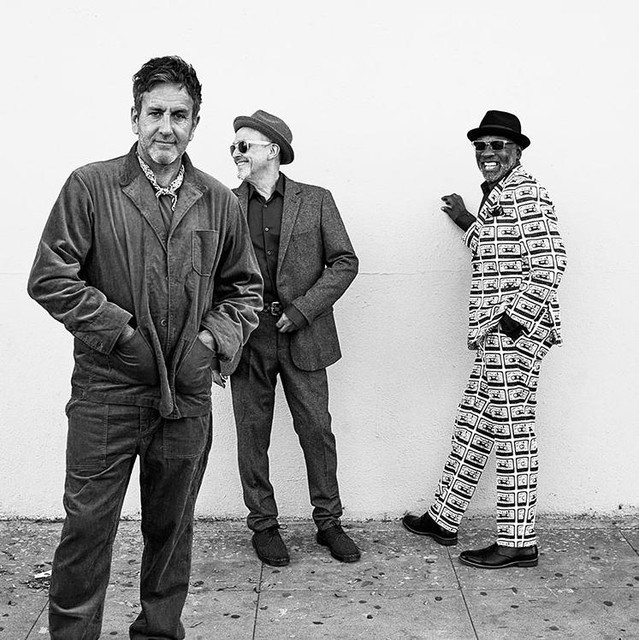
Historically, ska itself originated in late-1950s Jamaica, a Caribbean blend of mento, calypso, and American R&B and jazz. The late ’70s UK 2 Tone movement—led by bands like The Specials, Madness, and The Selecter—fused ska with punk’s speed and political bite, laying the groundwork for what fans would later call ska-punk. The so-called “third wave” of ska, beginning in the late 1980s and exploding through the 1990s, took that blend across the Atlantic into the United States and beyond. This period gave birth to a recognizable ska-punk sound: brisk tempos, punchy horn lines, and a punk rock ethos that celebrated live energy, Zines, and DIY tours.
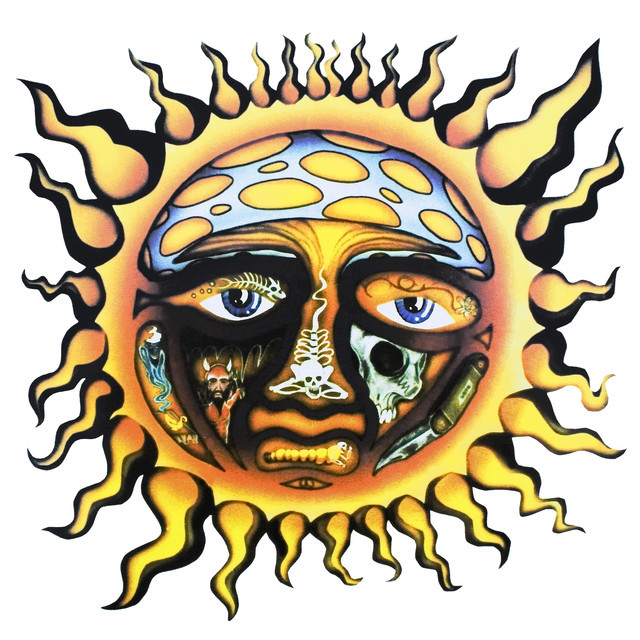
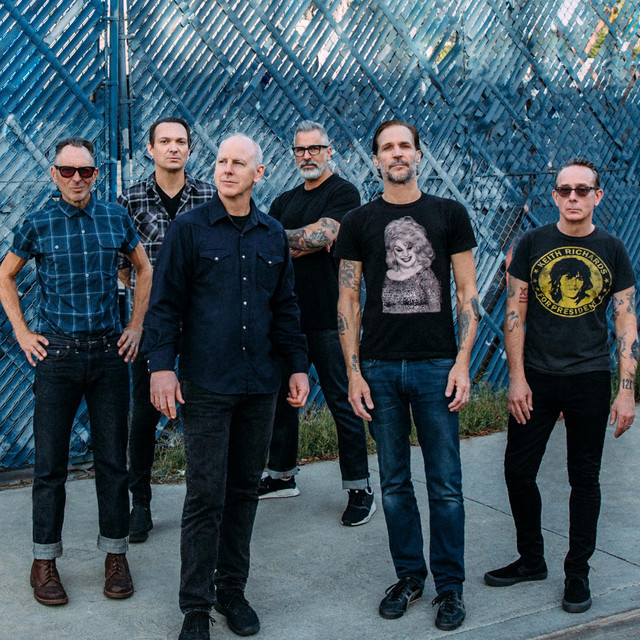
Among the genre’s most influential ambassadors are The Mighty Mighty Bosstones, who are often credited with popularizing ska-core in the United States with fast, melodic ska-punk that could fill arenas and skate parks alike. Sublime helped bridge ska-punk with reggae and Southern California stalwartness, turning numbers with sun-soaked, reggae-tinged riffs into mainstream anthems. Rancid brought a gritty, streetwise urgency to the mix, embedding ska-punk within the broader punk revival of the mid-1990s. Less Than Jake and Reel Big Fish became staples of the scene’s lively, humorous side, delivering hooky choruses and sing-along choruses that translated well to radio and MTV-era exposure. The Suicide Machines, Goldfinger, and Streetlight Manifesto each pushed the craft in different directions—ska-punk’s speed, melody, and depth of brass arrangement—while No Doubt showed how ska-infused pop sensibilities could cross into global superstardom.
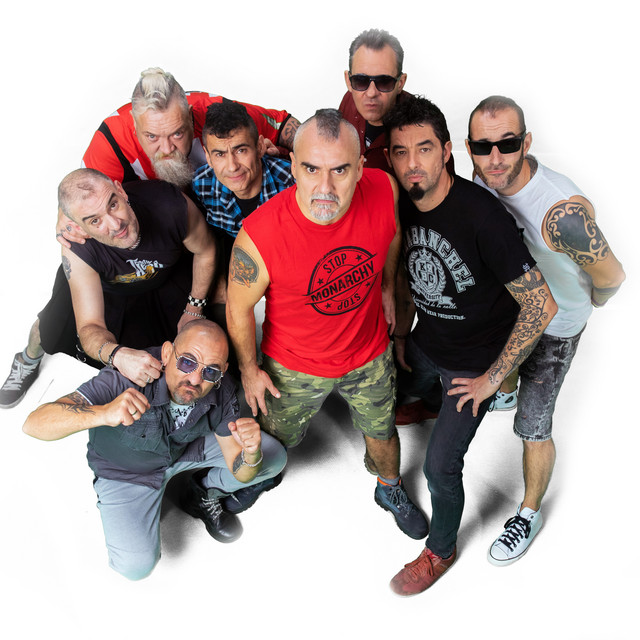
Ska punk has enjoyed global traction. In the United States, it benefited from the late-’90s Warped Tour circuit and a thriving independent scene. In the United Kingdom and Europe, Spain’s Ska-P and other European groups broadened the spectrum of themes and languages, while Canada, Australia, and Japan developed dedicated local scenes with a mix of homegrown bands and touring acts. Today, the genre persists in a revitalized form with bands like The Interrupters carrying the torch for a new generation—combining tight horn sections, persistent ska upstrokes, and punk smokepunk energy with modern production.
What makes ska punk compelling is its versatility: it can be party-ready and cathartic, political and playful, melodic and aggressive, all at once. It invites listeners to move, sing along, and celebrate a sense of communal, unpretentious rebellion—whether you’re skanking in a club, moshing in a pit, or catching a sunlit chord progression on a festival lawn. For music enthusiasts, ska punk remains a robust archive of cross-cultural exchange, a living bridge between Jamaica’s early innovations and the global punk scene’s ongoing restlessness.
Historically, ska itself originated in late-1950s Jamaica, a Caribbean blend of mento, calypso, and American R&B and jazz. The late ’70s UK 2 Tone movement—led by bands like The Specials, Madness, and The Selecter—fused ska with punk’s speed and political bite, laying the groundwork for what fans would later call ska-punk. The so-called “third wave” of ska, beginning in the late 1980s and exploding through the 1990s, took that blend across the Atlantic into the United States and beyond. This period gave birth to a recognizable ska-punk sound: brisk tempos, punchy horn lines, and a punk rock ethos that celebrated live energy, Zines, and DIY tours.
Among the genre’s most influential ambassadors are The Mighty Mighty Bosstones, who are often credited with popularizing ska-core in the United States with fast, melodic ska-punk that could fill arenas and skate parks alike. Sublime helped bridge ska-punk with reggae and Southern California stalwartness, turning numbers with sun-soaked, reggae-tinged riffs into mainstream anthems. Rancid brought a gritty, streetwise urgency to the mix, embedding ska-punk within the broader punk revival of the mid-1990s. Less Than Jake and Reel Big Fish became staples of the scene’s lively, humorous side, delivering hooky choruses and sing-along choruses that translated well to radio and MTV-era exposure. The Suicide Machines, Goldfinger, and Streetlight Manifesto each pushed the craft in different directions—ska-punk’s speed, melody, and depth of brass arrangement—while No Doubt showed how ska-infused pop sensibilities could cross into global superstardom.
Ska punk has enjoyed global traction. In the United States, it benefited from the late-’90s Warped Tour circuit and a thriving independent scene. In the United Kingdom and Europe, Spain’s Ska-P and other European groups broadened the spectrum of themes and languages, while Canada, Australia, and Japan developed dedicated local scenes with a mix of homegrown bands and touring acts. Today, the genre persists in a revitalized form with bands like The Interrupters carrying the torch for a new generation—combining tight horn sections, persistent ska upstrokes, and punk smokepunk energy with modern production.
What makes ska punk compelling is its versatility: it can be party-ready and cathartic, political and playful, melodic and aggressive, all at once. It invites listeners to move, sing along, and celebrate a sense of communal, unpretentious rebellion—whether you’re skanking in a club, moshing in a pit, or catching a sunlit chord progression on a festival lawn. For music enthusiasts, ska punk remains a robust archive of cross-cultural exchange, a living bridge between Jamaica’s early innovations and the global punk scene’s ongoing restlessness.