Genre
sky room
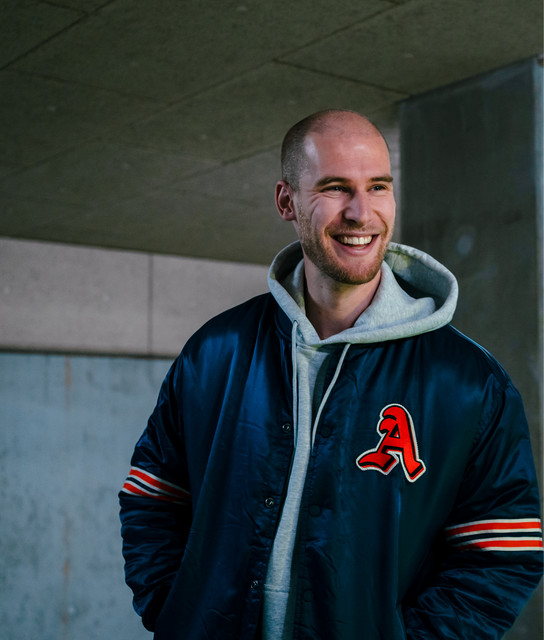
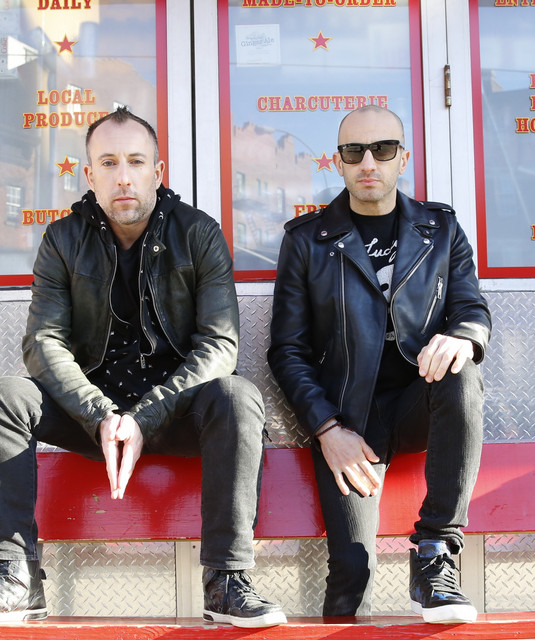
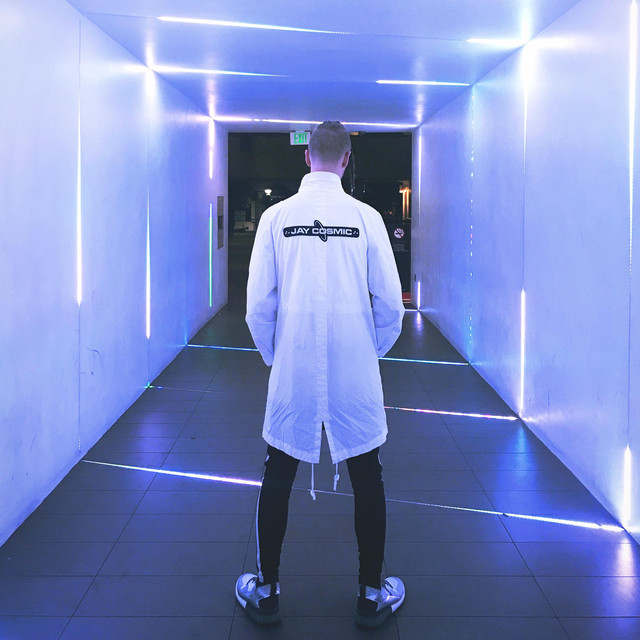
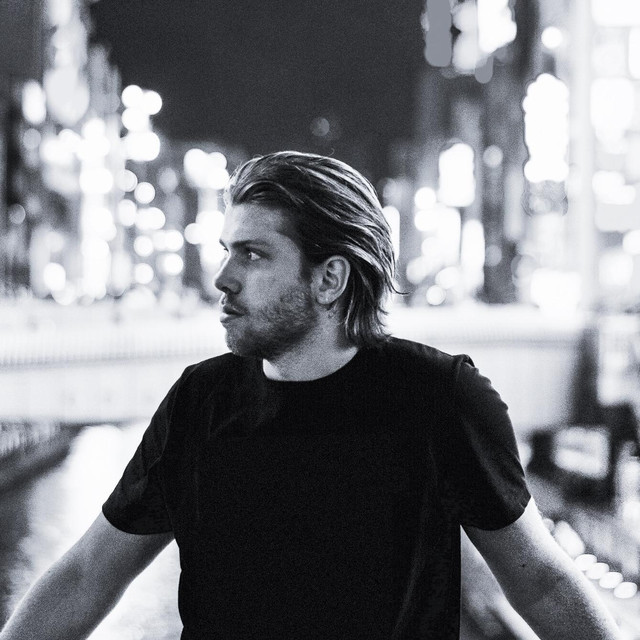
Top Sky room Artists
Showing 25 of 31 artists

















About Sky room
Note: Sky Room described here is a fictional, imaginative genre created for exploration and storytelling.
Sky Room is a sonic space where air itself seems to vibrate. It blends ethereal ambient textures, the shimmer of dream pop, and subtle techno undercurrents to craft rooms you can hear as well as feel. Its signature is expansive, breathy, and luminous—pads that catch the light like morning frost, reverbs that drift into the distance, and melodies that float as if viewed through a skylight. For enthusiasts, sky room is less a fixed set of rules than a listening philosophy: prioritize atmosphere, spatial depth, and the experience of entering a mood.
Origins trace to the early 2010s, when a loose network of producers in Berlin, Tokyo, and New York began sharing loops and field recordings on Bandcamp and SoundCloud. The sound coalesced around the idea of listening rooms—spaces where music is meant to be encountered as a whole, not chopped into singles. The term circulated among critics around 2014, identifying a shared taste for skylight-like atmospheres, extended reverbs, and horizons inside a single track. From there, small labels and collectives formalized the movement, building a circuit of performances and releases that could travel across borders in milliseconds.
Musically, sky room fuses vaporwave’s soft nostalgia with the warmth of shoegaze, the spatial chemistry of ambient techno, and the intimate vocal delivery of dream pop. Tracks often unfold with slow builds, delicate counter-melodies, and a chorus that dissolves into airy silence. Production leans into 3D audio and precise micro-delays to place the listener inside a sonic room—an environment that feels both enclosed and expansive. Lyrically, themes circle memory, weather, horizons, and the psychology of listening, inviting fans to reflect while the music surrounds them.
Among the genre’s recognized voices are Celeste Kwan, a vocalist-producer whose crystal-clear textures pair with starry synths; Aether Vale, a Berlin-based experimentalist crafting mineral-toned pads; Lumen Drifter, a New York artist weaving wind-like field recordings into cinematic textiles; Orion Tide, a Tokyo-born composer threading subtle techno rhythms through aurora-like synth lines; Nova Halcyon, a British producer layering planetary chords with intimate storytelling; and Sora Murai, a frequent ambassador at live sky-room events in Japan. Ambassadors act as curators and collaborators, staging immersive shows and partnerships with visual artists, extending sky room from headphones into galleries and VR spaces.
Geographically, the genre thrives where audiences crave contemplative sound design and narrative listening. Germany’s Berlin club scene hosts panoramic sets; Japan sustains art-space showcases and intimate live rooms; the United States cultivates coastal hubs in Los Angeles and New York. It also finds audiences in South Korea, France, Scandinavia, Brazil, and Australia, flourishing in communities that value experimental textures and immersive storytelling. Online platforms—Bandcamp, streaming services, and label-driven playlists—help fans discover new releases, often paired with visual art to emphasize the room-like experience. VR and spatial audio formats have grown natural, letting listeners step into a sky room rather than simply hear it.
Sky Room is a sonic space where air itself seems to vibrate. It blends ethereal ambient textures, the shimmer of dream pop, and subtle techno undercurrents to craft rooms you can hear as well as feel. Its signature is expansive, breathy, and luminous—pads that catch the light like morning frost, reverbs that drift into the distance, and melodies that float as if viewed through a skylight. For enthusiasts, sky room is less a fixed set of rules than a listening philosophy: prioritize atmosphere, spatial depth, and the experience of entering a mood.
Origins trace to the early 2010s, when a loose network of producers in Berlin, Tokyo, and New York began sharing loops and field recordings on Bandcamp and SoundCloud. The sound coalesced around the idea of listening rooms—spaces where music is meant to be encountered as a whole, not chopped into singles. The term circulated among critics around 2014, identifying a shared taste for skylight-like atmospheres, extended reverbs, and horizons inside a single track. From there, small labels and collectives formalized the movement, building a circuit of performances and releases that could travel across borders in milliseconds.
Musically, sky room fuses vaporwave’s soft nostalgia with the warmth of shoegaze, the spatial chemistry of ambient techno, and the intimate vocal delivery of dream pop. Tracks often unfold with slow builds, delicate counter-melodies, and a chorus that dissolves into airy silence. Production leans into 3D audio and precise micro-delays to place the listener inside a sonic room—an environment that feels both enclosed and expansive. Lyrically, themes circle memory, weather, horizons, and the psychology of listening, inviting fans to reflect while the music surrounds them.
Among the genre’s recognized voices are Celeste Kwan, a vocalist-producer whose crystal-clear textures pair with starry synths; Aether Vale, a Berlin-based experimentalist crafting mineral-toned pads; Lumen Drifter, a New York artist weaving wind-like field recordings into cinematic textiles; Orion Tide, a Tokyo-born composer threading subtle techno rhythms through aurora-like synth lines; Nova Halcyon, a British producer layering planetary chords with intimate storytelling; and Sora Murai, a frequent ambassador at live sky-room events in Japan. Ambassadors act as curators and collaborators, staging immersive shows and partnerships with visual artists, extending sky room from headphones into galleries and VR spaces.
Geographically, the genre thrives where audiences crave contemplative sound design and narrative listening. Germany’s Berlin club scene hosts panoramic sets; Japan sustains art-space showcases and intimate live rooms; the United States cultivates coastal hubs in Los Angeles and New York. It also finds audiences in South Korea, France, Scandinavia, Brazil, and Australia, flourishing in communities that value experimental textures and immersive storytelling. Online platforms—Bandcamp, streaming services, and label-driven playlists—help fans discover new releases, often paired with visual art to emphasize the room-like experience. VR and spatial audio formats have grown natural, letting listeners step into a sky room rather than simply hear it.