Genre
slack-key guitar
Top Slack-key guitar Artists
Showing 25 of 35 artists









About Slack-key guitar
Slack-key guitar, or ki ho’alu, is a traditional Hawaiian fingerstyle guitar genre defined by open tunings, a relaxed or “slack” approach to string tension, and a warm, droning ambiance that supports vocal melodies and storytelling. Rooted in the Hawaiian Islands, it is both a musical technique and a cultural practice that grew out of older string-work and mele (songs) traditions, and it remains one of the most distinctive expressions of Hawaii’s sonic identity.
The birth of slack-key is traced to the 19th century, in a Hawaii where guitar and singing were central to courtly performances, plantation gatherings, and family gatherings alike. Players loosened or “slacked” the guitar strings to produce resonant open tunings, allowing the instrument to ring with drones and sympathetic strings while the right hand picked melodic notes and rhythmic patterns. This approach made it possible to accompany a vocalist with a singsong, intimate texture, and it enabled a wide palette of tunings and moods—bright, lyrical passages as well as plaintive, plaintive-lament lines. Over generations, the tradition was passed in families and communities, evolving as new players added their own voice while preserving the core ki ho’alu aesthetic.
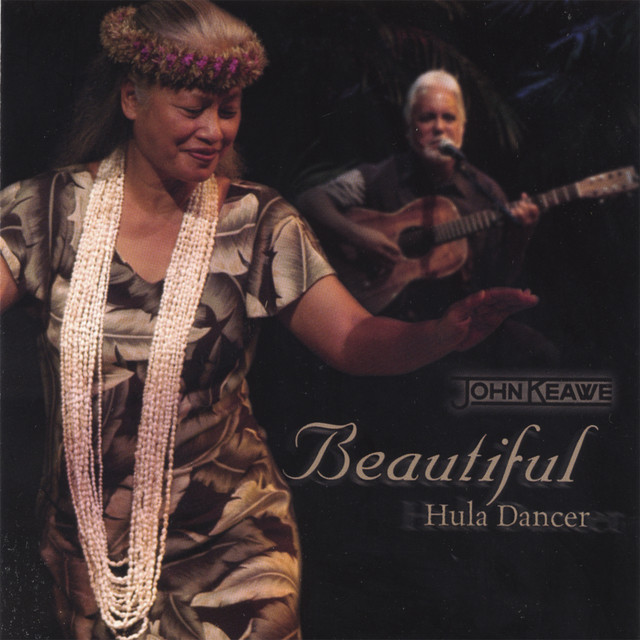
In the mid-20th century slack-key began to attract broader attention, but it was the Hawaiian cultural revival of the 1960s and 1970s that truly revitalized the genre. Pioneers who became ambassadors of the sound include Gabby Pahinui, often hailed as the father of modern slack-key for his virtuosity, warm vocal style, and expansive repertoire. His recordings and performances, along with those of his contemporaries Cyril Pahinui, Sonny Chillingworth, and later Dennis Kamakahi, Keola Beamer, Ledward Ka’apana, and George Kuo, established a living tradition that connected ancient practices with contemporary expression. Gabby’s influence helped shift slack-key from local habit to a nationally and internationally respected Hawaiian art form. In turn, younger players such as John Keawe and various multi-generational families carried the tradition to new audiences.
Musically, slack-key is characterized by its openness to mood and storytelling. Tunings vary, but the hallmark is the openness that allows bass drones and melodic voice-leading to intertwine with percussive, rhythmic picking. The style is often deeply lyrical, with a sense of space and breath that invites listeners to imagine ocean breezes, lava-lit skies, and old Hawai‘i stories being sung or spoken over guitar lines.
Today, slack-key enjoys popularity beyond Hawaii, thriving in the Hawaiian diaspora across the United States—especially on the mainland in California and the Pacific Northwest—and in Japan, where Hawaiian music has found a devoted audience. Festivals, recordings, and teaching circles keep ki ho’alu vibrant, ensuring that the slack-key tradition remains both a cherished heritage and a living, evolving art form.
The birth of slack-key is traced to the 19th century, in a Hawaii where guitar and singing were central to courtly performances, plantation gatherings, and family gatherings alike. Players loosened or “slacked” the guitar strings to produce resonant open tunings, allowing the instrument to ring with drones and sympathetic strings while the right hand picked melodic notes and rhythmic patterns. This approach made it possible to accompany a vocalist with a singsong, intimate texture, and it enabled a wide palette of tunings and moods—bright, lyrical passages as well as plaintive, plaintive-lament lines. Over generations, the tradition was passed in families and communities, evolving as new players added their own voice while preserving the core ki ho’alu aesthetic.
In the mid-20th century slack-key began to attract broader attention, but it was the Hawaiian cultural revival of the 1960s and 1970s that truly revitalized the genre. Pioneers who became ambassadors of the sound include Gabby Pahinui, often hailed as the father of modern slack-key for his virtuosity, warm vocal style, and expansive repertoire. His recordings and performances, along with those of his contemporaries Cyril Pahinui, Sonny Chillingworth, and later Dennis Kamakahi, Keola Beamer, Ledward Ka’apana, and George Kuo, established a living tradition that connected ancient practices with contemporary expression. Gabby’s influence helped shift slack-key from local habit to a nationally and internationally respected Hawaiian art form. In turn, younger players such as John Keawe and various multi-generational families carried the tradition to new audiences.
Musically, slack-key is characterized by its openness to mood and storytelling. Tunings vary, but the hallmark is the openness that allows bass drones and melodic voice-leading to intertwine with percussive, rhythmic picking. The style is often deeply lyrical, with a sense of space and breath that invites listeners to imagine ocean breezes, lava-lit skies, and old Hawai‘i stories being sung or spoken over guitar lines.
Today, slack-key enjoys popularity beyond Hawaii, thriving in the Hawaiian diaspora across the United States—especially on the mainland in California and the Pacific Northwest—and in Japan, where Hawaiian music has found a devoted audience. Festivals, recordings, and teaching circles keep ki ho’alu vibrant, ensuring that the slack-key tradition remains both a cherished heritage and a living, evolving art form.