Genre
slavic metal
Top Slavic metal Artists
Showing 23 of 23 artists


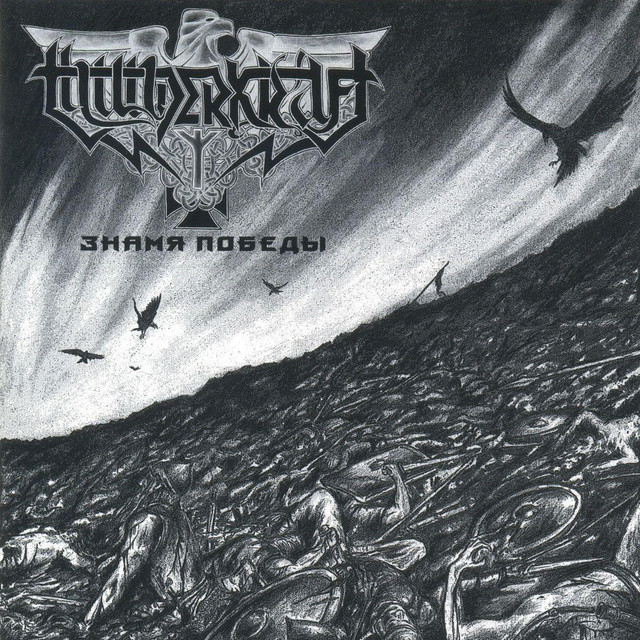


About Slavic metal
Slavic metal is best described as a broad, sometimes umbrella-like term for heavy and extreme metal rooted in the cultures, folklore, and languages of Slavic-speaking nations. Rather than a single fixed sound, it encompasses a spectrum from black and folk metal to doom and melodic death, all wrapped in a distinctly Eastern European sensibility. What unites it is an emphasis on Slavic mythologies, historical imagery, and national or regional identity, often expressed in Ukrainian, Russian, Polish, Belarusian, Czech, or other Slavic tongues, sometimes alongside traditional instruments and melodies.
Origins and birth
Slavic metal emerged as part of the broader folk/pagan metal revival that swept Europe in the 1990s and 2000s, with bands in Eastern Europe adapting metal to their own folklore and languages. In Russia, Ukraine, Poland, and neighboring regions, artists began weaving Slavic legends, epic poetry, and pagan themes into black, doom, and folk-metal frameworks. Ambitious releases and live performances helped crystallize a Slavic-specific current within the global metal milieu. Rather than copying Western templates, these artists drew on local scales, modes, and acoustic textures, forging a sound that felt ancient and regionally particular while still brutal and modern.
Sound and features
Slavic metal often blends ferocious guitar work, aggressive drumming, and atmospheric elements with folk-inflected melodies. You’ll hear riffs that alternate between black-metal tremolos and melodic lines, counterbalanced by choirs, traditional wind instruments, or rustic acoustic textures. Lyrical themes frequently revolve around Slavic gods, forest spirits, ancient battles, and the landscapes of Eastern Europe. Language plays a crucial role: lyrics in Russian, Ukrainian, Polish, Belarusian, Czech, or Slovak lend a raw, authentic ring that often deepens the mythic atmosphere. Some bands lean toward pagan or folk metal aesthetics, while others push black metal or doom into more atmospheric directions—yet the Slavic lineage remains the common thread.
Key ambassadors and acts
- Arkona (Russia): One of the most visible recent ambassadors of Slavic-themed metal, Arkona blends pagan imagery with infectious folk-influenced melodies and stark heaviness, often singing in Russian.
- Drudkh (Ukraine): Esteemed in the underground for conveying Ukrainian folklore and history through visually dense, atmospheric black metal with poetic Ukrainian titles and themes.
- Kroda (Ukraine): A pivotal act in the Ukrainian scene, Kroda merges black metal with Slavic folk elements and ritual atmosphere, emphasizing national mythos.
- Alkonost (Russia): A longtime exponent of Russian folk-influenced doom/black metal with mythic and folkloric imagery.
- Batushka (Poland): A modern, liturgical-tinged black metal project that uses Church Slavonic and medieval aesthetics to evoke a distinctly Slavic spiritual atmosphere.
Geography and popularity
Slavic metal is most strongly associated with Russia, Ukraine, Poland, Belarus, and other parts of Eastern Europe, where bands draw upon local folklore and languages. It has a robust following among fans of folk, pagan, and black metal in these regions and in diasporic communities worldwide. Outside Eastern Europe, it retains a niche but passionate appeal among enthusiasts who seek metal that marries geographic identity with extreme intensity.
In short, Slavic metal offers enthusiasts a doorway into how Eastern European myth, language, and landscape intersect with metal’s sheer force. It rewards attentive listening—where folklore becomes alloy, history becomes vocal, and ancient scales meet modern distortion.
Origins and birth
Slavic metal emerged as part of the broader folk/pagan metal revival that swept Europe in the 1990s and 2000s, with bands in Eastern Europe adapting metal to their own folklore and languages. In Russia, Ukraine, Poland, and neighboring regions, artists began weaving Slavic legends, epic poetry, and pagan themes into black, doom, and folk-metal frameworks. Ambitious releases and live performances helped crystallize a Slavic-specific current within the global metal milieu. Rather than copying Western templates, these artists drew on local scales, modes, and acoustic textures, forging a sound that felt ancient and regionally particular while still brutal and modern.
Sound and features
Slavic metal often blends ferocious guitar work, aggressive drumming, and atmospheric elements with folk-inflected melodies. You’ll hear riffs that alternate between black-metal tremolos and melodic lines, counterbalanced by choirs, traditional wind instruments, or rustic acoustic textures. Lyrical themes frequently revolve around Slavic gods, forest spirits, ancient battles, and the landscapes of Eastern Europe. Language plays a crucial role: lyrics in Russian, Ukrainian, Polish, Belarusian, Czech, or Slovak lend a raw, authentic ring that often deepens the mythic atmosphere. Some bands lean toward pagan or folk metal aesthetics, while others push black metal or doom into more atmospheric directions—yet the Slavic lineage remains the common thread.
Key ambassadors and acts
- Arkona (Russia): One of the most visible recent ambassadors of Slavic-themed metal, Arkona blends pagan imagery with infectious folk-influenced melodies and stark heaviness, often singing in Russian.
- Drudkh (Ukraine): Esteemed in the underground for conveying Ukrainian folklore and history through visually dense, atmospheric black metal with poetic Ukrainian titles and themes.
- Kroda (Ukraine): A pivotal act in the Ukrainian scene, Kroda merges black metal with Slavic folk elements and ritual atmosphere, emphasizing national mythos.
- Alkonost (Russia): A longtime exponent of Russian folk-influenced doom/black metal with mythic and folkloric imagery.
- Batushka (Poland): A modern, liturgical-tinged black metal project that uses Church Slavonic and medieval aesthetics to evoke a distinctly Slavic spiritual atmosphere.
Geography and popularity
Slavic metal is most strongly associated with Russia, Ukraine, Poland, Belarus, and other parts of Eastern Europe, where bands draw upon local folklore and languages. It has a robust following among fans of folk, pagan, and black metal in these regions and in diasporic communities worldwide. Outside Eastern Europe, it retains a niche but passionate appeal among enthusiasts who seek metal that marries geographic identity with extreme intensity.
In short, Slavic metal offers enthusiasts a doorway into how Eastern European myth, language, and landscape intersect with metal’s sheer force. It rewards attentive listening—where folklore becomes alloy, history becomes vocal, and ancient scales meet modern distortion.