Genre
slovak punk
Top Slovak punk Artists
Showing 15 of 15 artists





About Slovak punk
Slovak punk is the Slovak voice of punk rock—rapid, direct, and stubbornly melodic. Born in the late 1980s, when Czechoslovakia still existed, and bursting into the open after the Velvet Revolution of 1989, it quickly became the soundtrack of a generation hungry for independence, youth culture, and frank social critique. In smoky basements of Bratislava, Košice, and other towns, bands plugged into the DIY ethos—cheap gear, homemade fanzines, and unsubsidized gigs—creating a tight, participatory scene. The early pioneers, such as Zóna A, helped define a Czech-Slovak punk language: lean guitar lines, shouted choruses, and a politics that was often skepticism toward authority more than ideology.
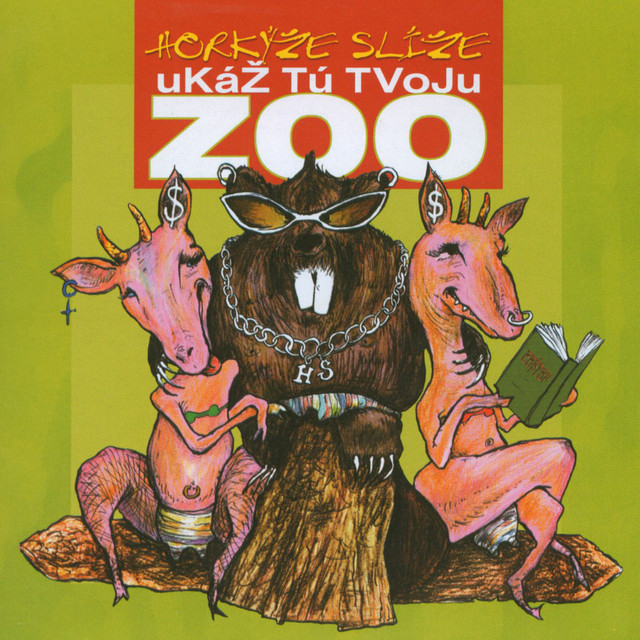
As Slovakia moved toward sovereignty in the early 1990s, the scene diversified. The 1990s saw punk cross into more melodic, accessible forms, with bands mixing fast tempos with hooks that could crash through radio speakers. Among the most visible ambassadors were Horkýže Slíže, a band from Žilina that fused biting riffs with humor and swagger, helping to bring punk to a broad audience. Iné Kafe, formed in Bratislava mid-decade, brought a polished, stadium-friendly edge to the sound, counting major festival slots and multi-platinum sales among their achievements. Chiki Liki Tu-a, a Bratislava group that blended ska, reggae, and punk, expanded the palette and carried the scene into outdoor stages across Slovakia and the neighboring Czech Republic.
Other notable names include Slobodná Európa, whose raw, street-level energy and protest lyrics resonated with fans across the region, and a new wave of bands that grafted hardcore and oi influences onto Slovak lyrics and sensibilities. The result is a genre that remains deeply rooted in the grassroots—short, punchy songs, three-chord power, social critique, and a sense of community that persists in underground gigs and zines even as bands become more professional.
Culturally, Slovak punk thrives on its bilingual or Slovak-dialect lyrics that capture local life—work, friendships, small-town disenchantment—while still speaking the universal language of rebellion. The aesthetics mix rough-edged guitar fuzz with sometimes sly humor, and more recent outfits often experiment with hybrid forms like ska-punk, quick pop-punk, and post-hardcore influences, reflecting a scene that refuses to stagnate.
Today, Slovak punk is most robust in Slovakia and the Czech Republic, where bands routinely tour, headline festivals, and contribute to a cross-border fan base. It also enjoys pockets of interest in Hungary, Poland, and beyond, especially among younger listeners who discover the tradition through digital platforms and archival releases. Whether you encounter it through a blistering club show, a raucous festival set, or a horn-laden ska-punk track, Slovak punk remains a stubborn, communal, and perpetually evolving voice in Central European rock. Modern Slovak punk continues to thrive on cross-border collaboration with Czech peers, joint tours, and shared festival bills. New generations blend tradition with experimentation—fast hardcore-inflected tracks, melodic hooks, and even politically conscious rap influences—reflecting a community that values integrity and independence as much as sound. Independent labels, zines, and streaming platforms help keep the flame alive, allowing Slovak punk to reach both traditional fans and curious newcomers worldwide.
As Slovakia moved toward sovereignty in the early 1990s, the scene diversified. The 1990s saw punk cross into more melodic, accessible forms, with bands mixing fast tempos with hooks that could crash through radio speakers. Among the most visible ambassadors were Horkýže Slíže, a band from Žilina that fused biting riffs with humor and swagger, helping to bring punk to a broad audience. Iné Kafe, formed in Bratislava mid-decade, brought a polished, stadium-friendly edge to the sound, counting major festival slots and multi-platinum sales among their achievements. Chiki Liki Tu-a, a Bratislava group that blended ska, reggae, and punk, expanded the palette and carried the scene into outdoor stages across Slovakia and the neighboring Czech Republic.
Other notable names include Slobodná Európa, whose raw, street-level energy and protest lyrics resonated with fans across the region, and a new wave of bands that grafted hardcore and oi influences onto Slovak lyrics and sensibilities. The result is a genre that remains deeply rooted in the grassroots—short, punchy songs, three-chord power, social critique, and a sense of community that persists in underground gigs and zines even as bands become more professional.
Culturally, Slovak punk thrives on its bilingual or Slovak-dialect lyrics that capture local life—work, friendships, small-town disenchantment—while still speaking the universal language of rebellion. The aesthetics mix rough-edged guitar fuzz with sometimes sly humor, and more recent outfits often experiment with hybrid forms like ska-punk, quick pop-punk, and post-hardcore influences, reflecting a scene that refuses to stagnate.
Today, Slovak punk is most robust in Slovakia and the Czech Republic, where bands routinely tour, headline festivals, and contribute to a cross-border fan base. It also enjoys pockets of interest in Hungary, Poland, and beyond, especially among younger listeners who discover the tradition through digital platforms and archival releases. Whether you encounter it through a blistering club show, a raucous festival set, or a horn-laden ska-punk track, Slovak punk remains a stubborn, communal, and perpetually evolving voice in Central European rock. Modern Slovak punk continues to thrive on cross-border collaboration with Czech peers, joint tours, and shared festival bills. New generations blend tradition with experimentation—fast hardcore-inflected tracks, melodic hooks, and even politically conscious rap influences—reflecting a community that values integrity and independence as much as sound. Independent labels, zines, and streaming platforms help keep the flame alive, allowing Slovak punk to reach both traditional fans and curious newcomers worldwide.