Genre
slovak rock
Top Slovak rock Artists
Showing 22 of 22 artists







About Slovak rock
Slovak rock is the Slovak-language branch of the broader Central European rock tradition, born in the 1960s when young musicians in Bratislava and other towns began to fuse Western guitar-driven music with local melodies and intelligible Slovak lyrics. In the shadow of Czechoslovakia's political constraints, bands often operated under pop and beat umbrellas, but they built a distinctly Slovak voice that could be both rebellious and accessible. The scene matured through the 1970s and exploded in the 1980s, when multi-part harmonies, guitar riffs, and stadium-sized choruses entered the mainstream. By then, Slovak rock had earned its own ambassadors. Rich textures emerged as bands blended folk-inflected melodies, bluesy guitar work, and lyrical storytelling rooted in everyday life, history, and the Slovak landscape.
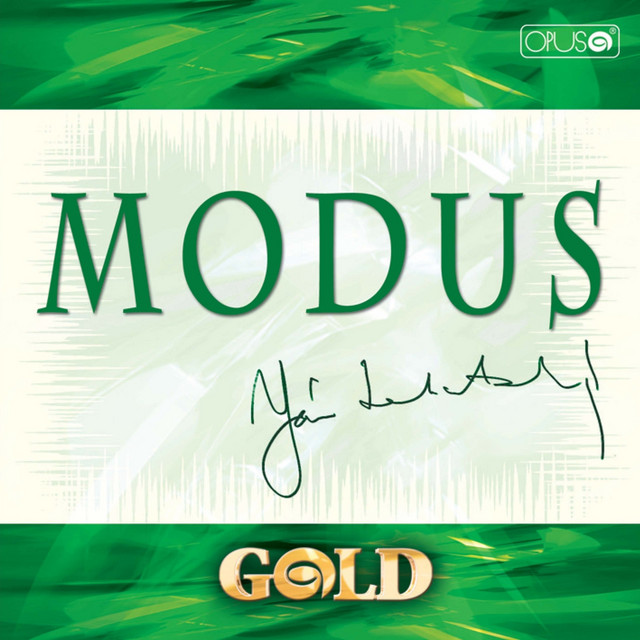
Among the early torchbearers were Modus, a Bratislava-based core that helped sculpt a distinctly Slovak pop-rock sound, with Ján Lehotský as a driving composer and arranger. The collaboration with Marika Gombitová, one of Slovakia's most beloved voices, elevated the band and solidified the era's impact: Gombitová's luminous, expressive singing bridged artful sophistication with broad appeal. Her later solo work remains a touchstone of Slovak popular music. Another pillar of the era is Elán, a band from the 1980s that fused catchy hooks with rock energy, becoming one of the most commercially successful Slovak outfits of all time and shaping the language of rock for a generation. In the late 1980s and 1990s the scene diversified further with singer-songwriters and cross-border collaborations, helping Slovak rock reach broader audiences while preserving the Slovak language and local references.
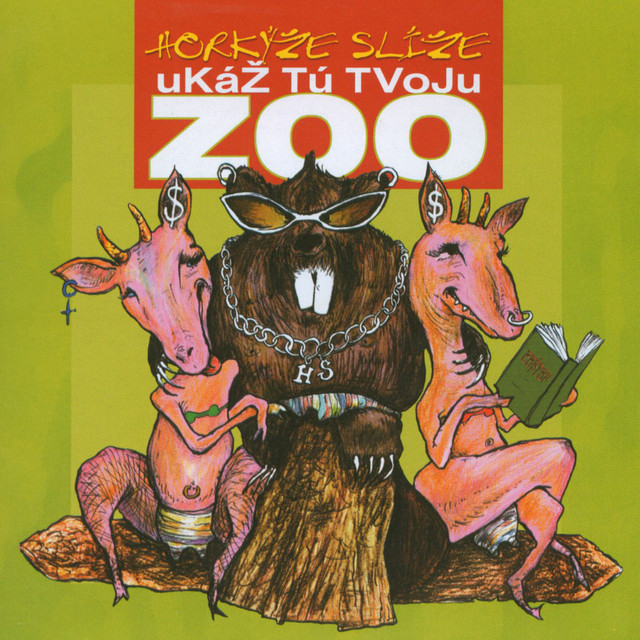
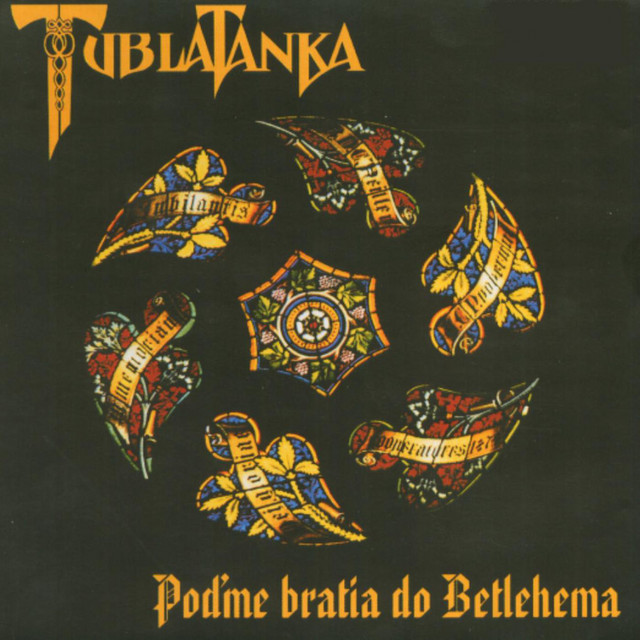
The 1980s also gave birth to or cemented the status of Tublatanka, a hard-rock-oriented act led by vocalists such as Palo Habera, whose anthemic songs became staples at stadium gigs and on Slovak radio. Their blend of melodic chorus, gritty guitars, and Slovak lyricism epitomizes the genre's ability to be serious and singable at once. In parallel, a thriving underground and independent scene encouraged bands such as Horkýže Slíže (though later) to inject punk-inflected humor into rock, widening the audience and inviting new energies.
In terms of geography and influence, Slovak rock's strongest roots are in Slovakia, with a strong following in the neighboring Czech Republic due to the shared language and cultural history. Over time, bands have toured Central Europe and built interactions with adjacent scenes in Poland and Hungary, and a Slovak-language rock sensibility is also carried by expatriate communities around the world. The genre's ambassadors, from Gombitová to Habera to Lehotský, have helped bring Slovak rock into festivals, radio, and film soundtracks, giving it a sense of identity that sits between folk-tinged storytelling and modern rock production.
Today the Slovak scene is diverse: veteran acts continue to perform, while new acts blend indie, alternative, and metal with Slovak lyricism. Listeners who seek guitar-centered music infused with local storytelling will find a compelling lineage and a vibrant present in Slovak rock. Even as international trends shift, Slovak rock remains deeply local: clubs in Bratislava, Košice, and smaller towns host weekly gigs; bands build followings on streaming platforms while keeping the genre's melodic, guitar-driven core.
Among the early torchbearers were Modus, a Bratislava-based core that helped sculpt a distinctly Slovak pop-rock sound, with Ján Lehotský as a driving composer and arranger. The collaboration with Marika Gombitová, one of Slovakia's most beloved voices, elevated the band and solidified the era's impact: Gombitová's luminous, expressive singing bridged artful sophistication with broad appeal. Her later solo work remains a touchstone of Slovak popular music. Another pillar of the era is Elán, a band from the 1980s that fused catchy hooks with rock energy, becoming one of the most commercially successful Slovak outfits of all time and shaping the language of rock for a generation. In the late 1980s and 1990s the scene diversified further with singer-songwriters and cross-border collaborations, helping Slovak rock reach broader audiences while preserving the Slovak language and local references.
The 1980s also gave birth to or cemented the status of Tublatanka, a hard-rock-oriented act led by vocalists such as Palo Habera, whose anthemic songs became staples at stadium gigs and on Slovak radio. Their blend of melodic chorus, gritty guitars, and Slovak lyricism epitomizes the genre's ability to be serious and singable at once. In parallel, a thriving underground and independent scene encouraged bands such as Horkýže Slíže (though later) to inject punk-inflected humor into rock, widening the audience and inviting new energies.
In terms of geography and influence, Slovak rock's strongest roots are in Slovakia, with a strong following in the neighboring Czech Republic due to the shared language and cultural history. Over time, bands have toured Central Europe and built interactions with adjacent scenes in Poland and Hungary, and a Slovak-language rock sensibility is also carried by expatriate communities around the world. The genre's ambassadors, from Gombitová to Habera to Lehotský, have helped bring Slovak rock into festivals, radio, and film soundtracks, giving it a sense of identity that sits between folk-tinged storytelling and modern rock production.
Today the Slovak scene is diverse: veteran acts continue to perform, while new acts blend indie, alternative, and metal with Slovak lyricism. Listeners who seek guitar-centered music infused with local storytelling will find a compelling lineage and a vibrant present in Slovak rock. Even as international trends shift, Slovak rock remains deeply local: clubs in Bratislava, Košice, and smaller towns host weekly gigs; bands build followings on streaming platforms while keeping the genre's melodic, guitar-driven core.