Genre
slushwave
Top Slushwave Artists
Showing 5 of 5 artists
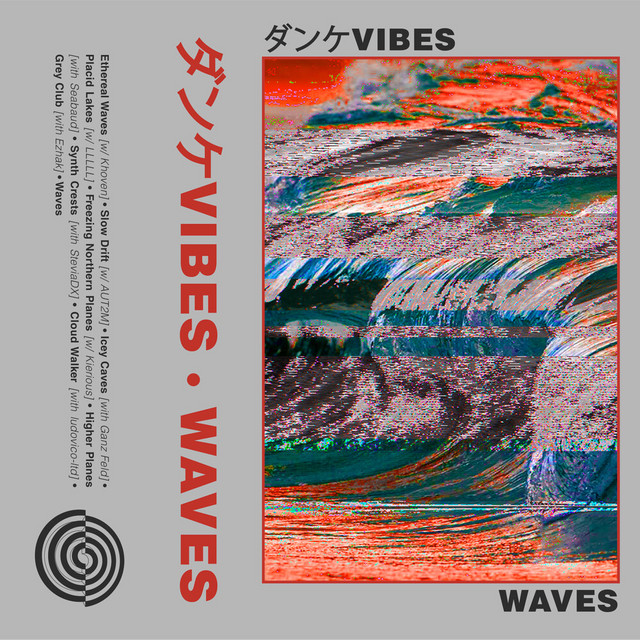

4
永遠の双子
4
- listeners
5
夢のショー
12
- listeners
About Slushwave
Slushwave is a moody, misty offshoot of the vaporwave family, leaning away from glossy retro-futurism toward a more shadowed, dreamlike nostalgia. It’s built from heavily processed, time-stretched samples—often from 80s and 90s anime soundtracks, RPG and video game music, or soft, faded pop—slowed to a hush and drenched in reverb, tape hiss, and CRT-era warmth. The result is a sound that feels like listening to a memory that’s just a beat late, washed in melancholy and fog.
Origins and emergence
Slushwave coalesced in the mid-to-late 2010s as part of the broader vaporwave ecosystem, but with its own distinct sensibility. Where some vaporware paths celebrate consumer culture through irony and crisp sarcasm, slushwave dwells in the liminal space between recollection and loss—the sort of music you might imagine echoing through a dim arcade after-hours or seeping from a portable cassette player left on a rainy windowsill. The culture surrounding it grew primarily online, within Bandcamp, SoundCloud, and YouTube communities that valued slow tempo, gentle drift, and a VHS-like degradation of sound. It’s not a style that demanded a polished production so much as it rewarded atmosphere: the sense that every sample has been aged, burned in, and softly unspooled.
Sound, techniques, and aesthetics
Key to slushwave is its sonic “slush”—a combination of extreme time-stretching, pitch-down, and granular manipulation that makes melodies feel far away and sideways. Producers layer grainy textures, fuzz, and hiss, then scatter the texture with reverb-drenched pads and faint digital artifacts. The tempo tends to hover in the slow to mid-tempo range, often around 60–90 BPM, which invites a head-nodding, contemplative listen rather than club energy. Visually and conceptually, slushwave shares vaporwave’s retro-futurist fondness for CRT glow and retro media, but leans into a softer, more introspective vibe, frequently contrasting with the more ironic or overtly neon aesthetics of other microgenres.
Geography and reach
Slushwave has a global, loosely connected fan base. It found strong resonance in North America and Europe, with persistent underground scenes in Japan, Russia, Latin America, and parts of Southeast Asia. Because it thrives on online sharing and the democratized nature of Bandcamp/SoundCloud releases, the “community” is diffuse: there isn’t a single, fixed center, but a constellation of producers and listeners who trade tracks, remixes, and visual art. The genre’s charm lies in its anonymity and openness—anyone with a battered sample and a pair of headphones can contribute.
Ambassadors and key figures
Unlike some movements, slushwave doesn’t boast a canonical lineup of ambassadors. The scene is highly decentralized, with many anonymous or pseudonymous producers who release tracks on Bandcamp or SoundCloud. Because of that, there isn’t a universally agreed-upon set of “key artists.” Fans often highlight influential early releases or widely circulated compilations, but the strength of slushwave comes from its collective sensibility more than from a handful of named figures. If you want a concrete roster, a quick survey of Bandcamp tags and SoundCloud playlists will surface a rotating cast of producers who are repeatedly cited in fan discussions.
Recommended entry points
For curious listeners, start with the Bandcamp and YouTube searches for “slushwave,” explore the most-recommended tracks, and pay attention to those that emphasize texture, memory, and quiet sorrow. It’s a genre that rewards attentive listening: close your eyes, lean into the muffled beauty, and let the sound drift—much like a memory that refuses to stay clear. If you’d like, I can tailor this description to include specific artists or compilations you’re curious about.
Origins and emergence
Slushwave coalesced in the mid-to-late 2010s as part of the broader vaporwave ecosystem, but with its own distinct sensibility. Where some vaporware paths celebrate consumer culture through irony and crisp sarcasm, slushwave dwells in the liminal space between recollection and loss—the sort of music you might imagine echoing through a dim arcade after-hours or seeping from a portable cassette player left on a rainy windowsill. The culture surrounding it grew primarily online, within Bandcamp, SoundCloud, and YouTube communities that valued slow tempo, gentle drift, and a VHS-like degradation of sound. It’s not a style that demanded a polished production so much as it rewarded atmosphere: the sense that every sample has been aged, burned in, and softly unspooled.
Sound, techniques, and aesthetics
Key to slushwave is its sonic “slush”—a combination of extreme time-stretching, pitch-down, and granular manipulation that makes melodies feel far away and sideways. Producers layer grainy textures, fuzz, and hiss, then scatter the texture with reverb-drenched pads and faint digital artifacts. The tempo tends to hover in the slow to mid-tempo range, often around 60–90 BPM, which invites a head-nodding, contemplative listen rather than club energy. Visually and conceptually, slushwave shares vaporwave’s retro-futurist fondness for CRT glow and retro media, but leans into a softer, more introspective vibe, frequently contrasting with the more ironic or overtly neon aesthetics of other microgenres.
Geography and reach
Slushwave has a global, loosely connected fan base. It found strong resonance in North America and Europe, with persistent underground scenes in Japan, Russia, Latin America, and parts of Southeast Asia. Because it thrives on online sharing and the democratized nature of Bandcamp/SoundCloud releases, the “community” is diffuse: there isn’t a single, fixed center, but a constellation of producers and listeners who trade tracks, remixes, and visual art. The genre’s charm lies in its anonymity and openness—anyone with a battered sample and a pair of headphones can contribute.
Ambassadors and key figures
Unlike some movements, slushwave doesn’t boast a canonical lineup of ambassadors. The scene is highly decentralized, with many anonymous or pseudonymous producers who release tracks on Bandcamp or SoundCloud. Because of that, there isn’t a universally agreed-upon set of “key artists.” Fans often highlight influential early releases or widely circulated compilations, but the strength of slushwave comes from its collective sensibility more than from a handful of named figures. If you want a concrete roster, a quick survey of Bandcamp tags and SoundCloud playlists will surface a rotating cast of producers who are repeatedly cited in fan discussions.
Recommended entry points
For curious listeners, start with the Bandcamp and YouTube searches for “slushwave,” explore the most-recommended tracks, and pay attention to those that emphasize texture, memory, and quiet sorrow. It’s a genre that rewards attentive listening: close your eyes, lean into the muffled beauty, and let the sound drift—much like a memory that refuses to stay clear. If you’d like, I can tailor this description to include specific artists or compilations you’re curious about.