Genre
small room
Top Small room Artists
Showing 25 of 45 artists



















About Small room
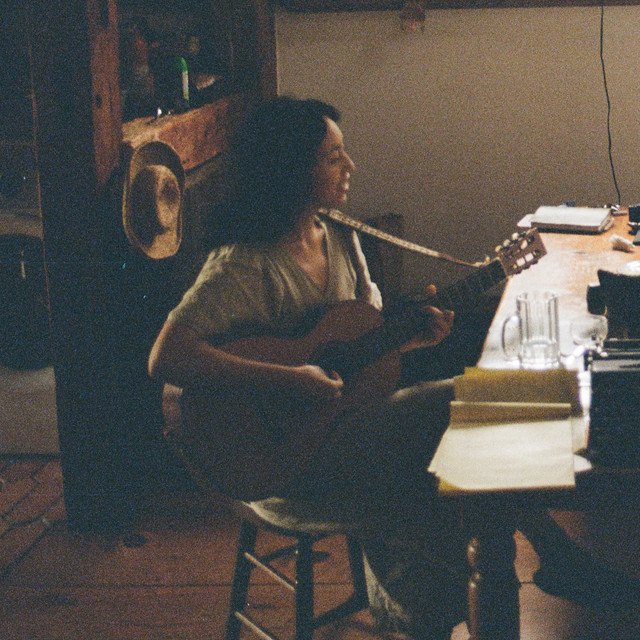
Small room is best described not as a formal genre with a rigid template, but as an emergent micro-movement within lo-fi, bedroom pop, and intimate electronic music. It prioritizes the acoustics of the space where the track is born, treating a small, untreated room as an instrument in its own right. The result is music that sounds as if it were whispered from a corner of a dimly lit studio, with a sense of proximity and fragility that invites repeated, inward listening.
Origins and birth
The vibe solidified in the 2010s, when affordable digital audio workstations, compact microphones, and home-recording gear put high-quality production into the hands of individual artists. The rise of streaming platforms helped these in-the-room aesthetics find audiences far beyond local scenes, allowing intimate, earnest recordings to travel as easily as polished club cuts. Small room music often grew out of the same DIY impulse that drove bedroom pop and lo-fi indie, but with a sharper focus on the sonic footprint of the recording space itself: a dry vocal that sits just in front of the listener, a room-tone shimmer, and micro-percussive textures that feel discovered rather than engineered.
Ambassadors and key voices
If there is an ambassadorial aura to small room, it comes from artists who embrace close-miked intimacy, spare arrangements, and warmth earned from imperfect spaces. James Blake’s early work—spare piano, hushed vocal takes, and a sense of listening through a chair back—offers a template for how a room can feel like a collaborator. In the indie and alternative scenes, artists such as Clairo and girl in red have built careers on diary-like lyricism captured in modest spaces, where every syllable lands with the weight of a whispered confession. Alex G’s lo-fi guitar sketches and bedroom-recorded experiments likewise embody the in-the-room philosophy: immediacy over polish, atmosphere over fireworks. In the broader European scene, Norwegian acts leaning into intimate vocal phrasing and understated sound design are often cited as contemporaries who helped popularize the aesthetic.
sonic characteristics
- Close proximity: vocals and instruments sit very close in the mix, with minimal distant reverb.
- Dry or lightly treated drums: percussion feels tactile, sometimes handheld, avoiding cavernous shells of space.
- Room texture as an instrument: natural room tone, subtle reflections, or tape hiss add character.
- Simple harmonic palettes: often guitar, piano, or sparse electronic textures with melodic clarity.
- Lyrics and mood: introspective, confessional, or emotionally direct, inviting a sense of conversation rather than spectacle.
Geography and popularity
Small room has found fertile ground in the United States and the United Kingdom, where DIY studios and streaming communities thrive. It also resonates in parts of Scandinavia and Japan, where disciplined production habits and a fondness for intimate, “in-the-room” aesthetics align with local indie and electronic scenes. While not a formal global movement with codified rules, it travels well across borders through playlists, live-streamed performances, and collaborative projects that emphasize immediacy and vulnerability.
How to listen and explore
- Seek tracks labeled or described as intimate, in-the-room, or lo-fi with a dry vocal presence and minimal reverb.
- Create a listening environment that mirrors the genre’s ethos: modest speakers or headphones, a quiet space, and time for close listening.
- Explore a progression: early intimate vocal-driven tracks, then threads that layer subtle electronic textures, and finally collaborations that push the room texture into the foreground.
In sum, small room is less about a set of chords or BPM and more about honoring the space between the musician and the listener—an almost tactile sense of being inside a private, imperfect room where music feels essential and almost tangible.
Origins and birth
The vibe solidified in the 2010s, when affordable digital audio workstations, compact microphones, and home-recording gear put high-quality production into the hands of individual artists. The rise of streaming platforms helped these in-the-room aesthetics find audiences far beyond local scenes, allowing intimate, earnest recordings to travel as easily as polished club cuts. Small room music often grew out of the same DIY impulse that drove bedroom pop and lo-fi indie, but with a sharper focus on the sonic footprint of the recording space itself: a dry vocal that sits just in front of the listener, a room-tone shimmer, and micro-percussive textures that feel discovered rather than engineered.
Ambassadors and key voices
If there is an ambassadorial aura to small room, it comes from artists who embrace close-miked intimacy, spare arrangements, and warmth earned from imperfect spaces. James Blake’s early work—spare piano, hushed vocal takes, and a sense of listening through a chair back—offers a template for how a room can feel like a collaborator. In the indie and alternative scenes, artists such as Clairo and girl in red have built careers on diary-like lyricism captured in modest spaces, where every syllable lands with the weight of a whispered confession. Alex G’s lo-fi guitar sketches and bedroom-recorded experiments likewise embody the in-the-room philosophy: immediacy over polish, atmosphere over fireworks. In the broader European scene, Norwegian acts leaning into intimate vocal phrasing and understated sound design are often cited as contemporaries who helped popularize the aesthetic.
sonic characteristics
- Close proximity: vocals and instruments sit very close in the mix, with minimal distant reverb.
- Dry or lightly treated drums: percussion feels tactile, sometimes handheld, avoiding cavernous shells of space.
- Room texture as an instrument: natural room tone, subtle reflections, or tape hiss add character.
- Simple harmonic palettes: often guitar, piano, or sparse electronic textures with melodic clarity.
- Lyrics and mood: introspective, confessional, or emotionally direct, inviting a sense of conversation rather than spectacle.
Geography and popularity
Small room has found fertile ground in the United States and the United Kingdom, where DIY studios and streaming communities thrive. It also resonates in parts of Scandinavia and Japan, where disciplined production habits and a fondness for intimate, “in-the-room” aesthetics align with local indie and electronic scenes. While not a formal global movement with codified rules, it travels well across borders through playlists, live-streamed performances, and collaborative projects that emphasize immediacy and vulnerability.
How to listen and explore
- Seek tracks labeled or described as intimate, in-the-room, or lo-fi with a dry vocal presence and minimal reverb.
- Create a listening environment that mirrors the genre’s ethos: modest speakers or headphones, a quiet space, and time for close listening.
- Explore a progression: early intimate vocal-driven tracks, then threads that layer subtle electronic textures, and finally collaborations that push the room texture into the foreground.
In sum, small room is less about a set of chords or BPM and more about honoring the space between the musician and the listener—an almost tactile sense of being inside a private, imperfect room where music feels essential and almost tangible.