Genre
son cubano
Top Son cubano Artists
Showing 25 of 1,478 artists




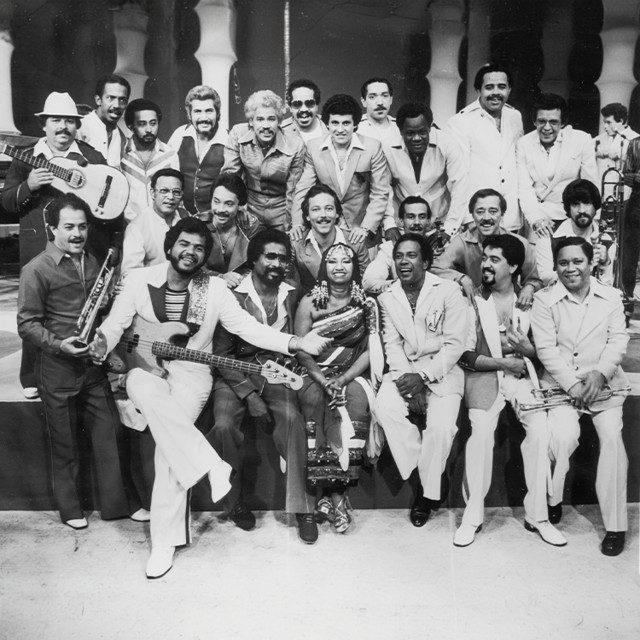
About Son cubano
Son cubano, often simply called the son, is a foundational Afro-Cuban music genre that emerged from a vivid fusion of Spanish canción and African rhythms. Its heartbeat is the clave, a two-bar pattern that binds tempo and improvisation, while its melodic voice rides between intimate vocal lines and communal call-and-response. Instrumentally, the sound centers on the tres (a Cuban 3‑string guitar), guitar, and percussion (bongo, conga, claves, maracas, and sometimes marímbula), with piano often entering later in the montuno sections. The danceable groove sits at a crossroads of simplicity and sophistication: a sugared melody paired with complex interlocking rhythms.
The origins of son lie in the rural and coastal districts of eastern Cuba—Oriente—where campesino and urban Afro-Cuban musicians blended the Spanish canción with African-derived percussion and rhythmic sensibilities. By the 1910s and 1920s, the music migrated to Havana, where ensembles began to crystallize into recognizable formats. A key development was the formation of the Septeto Nacional in 1927, which added trumpet to the traditional sextet setup and helped push son toward a more expansive, danceable sound. This era produced some of the genre’s earliest enduring recordings and introduced a wider audience to the son’s infectious charisma.
Two influential evolutionary streams define the mid-20th century: the son and the son montuno. The former remained rooted in melodious verses and puro accompaniment, while the latter—developed by innovators such as Arsenio Rodríguez in the 1940s—turned the piano into a driving montuno engine and expanded horn sections, giving rise to dense, hypnotic instrumental and vocal improvisations. This montuno emphasis would become a blueprint for later salsa, Latin jazz, and global Afro-Cuban fusion.
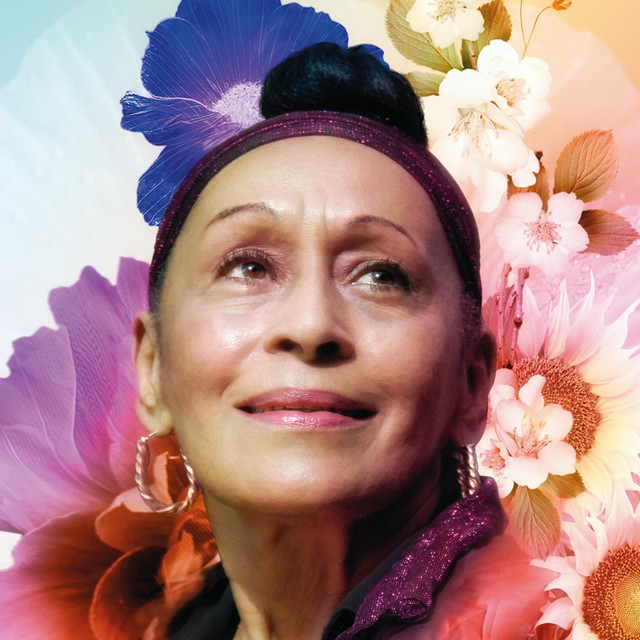
Ambassadors and pivotal figures abound. Ignacio Piñeiro, founder of Septeto Nacional, helped popularize the form in its early peak years. Arsenio Rodríguez reimagined the genre with a larger horn section and intensified rhythm, laying the groundwork for the modern son. Vocal legends such as Miguelito Valdés helped carry the music through radio and stage to a broader audience. In the later 20th century, the Buena Vista Social Club movement—featuring Compay Segundo, Eliades Ochoa, Ibrahim Ferrer, Rubén González, Omara Portuondo and others—brought son to a global audience once more, proving its enduring appeal and influence beyond Cuba. These artists, among many others, acted as cultural ambassadors, illustrating the genre’s depth and versatility.
Today, son cubano is most deeply rooted in Cuba, where it remains a living tradition. It also thrives in diasporic communities across the United States, Spain, and Latin America, and its influence is felt in salsa, Latin jazz, and world music scenes worldwide. Listening a la vieja usanza—with a sextet or septet, or in the more expansive montuno form—offers a direct line to the essential Afro-Cuban heartbeat that continues to evolve while staying true to its roots.
The origins of son lie in the rural and coastal districts of eastern Cuba—Oriente—where campesino and urban Afro-Cuban musicians blended the Spanish canción with African-derived percussion and rhythmic sensibilities. By the 1910s and 1920s, the music migrated to Havana, where ensembles began to crystallize into recognizable formats. A key development was the formation of the Septeto Nacional in 1927, which added trumpet to the traditional sextet setup and helped push son toward a more expansive, danceable sound. This era produced some of the genre’s earliest enduring recordings and introduced a wider audience to the son’s infectious charisma.
Two influential evolutionary streams define the mid-20th century: the son and the son montuno. The former remained rooted in melodious verses and puro accompaniment, while the latter—developed by innovators such as Arsenio Rodríguez in the 1940s—turned the piano into a driving montuno engine and expanded horn sections, giving rise to dense, hypnotic instrumental and vocal improvisations. This montuno emphasis would become a blueprint for later salsa, Latin jazz, and global Afro-Cuban fusion.
Ambassadors and pivotal figures abound. Ignacio Piñeiro, founder of Septeto Nacional, helped popularize the form in its early peak years. Arsenio Rodríguez reimagined the genre with a larger horn section and intensified rhythm, laying the groundwork for the modern son. Vocal legends such as Miguelito Valdés helped carry the music through radio and stage to a broader audience. In the later 20th century, the Buena Vista Social Club movement—featuring Compay Segundo, Eliades Ochoa, Ibrahim Ferrer, Rubén González, Omara Portuondo and others—brought son to a global audience once more, proving its enduring appeal and influence beyond Cuba. These artists, among many others, acted as cultural ambassadors, illustrating the genre’s depth and versatility.
Today, son cubano is most deeply rooted in Cuba, where it remains a living tradition. It also thrives in diasporic communities across the United States, Spain, and Latin America, and its influence is felt in salsa, Latin jazz, and world music scenes worldwide. Listening a la vieja usanza—with a sextet or septet, or in the more expansive montuno form—offers a direct line to the essential Afro-Cuban heartbeat that continues to evolve while staying true to its roots.