Genre
son jarocho
Top Son jarocho Artists
Showing 25 of 443 artists











About Son jarocho
Son jarocho is a radiant, communal music tradition from the Gulf coast of Mexico, centered in Veracruz and its surrounding towns. Deeply rooted in the port city’s history, it grew from a syncretic blend of Indigenous, Spanish, and African musical currents, evolving over centuries in festive gatherings along the river and the sea. Its name reflects the people of Veracruz (the jarochos) and the style’s persistent “son” (sound or song) that travels through time in a call-and-response, celebratory way.
Origins and evolution
The roots of son jarocho reach back to the colonial era, with strong traces in the 17th and 18th centuries as African and Indigenous practices intersected with European song forms brought by settlers and sailors. Veracruz’s cosmopolitan life—trade, slavery, and migration—created a fertile ground for improvisation, storytelling, and communal performance. Fandangos—informal gatherings that blend music, dance, poetry, and humor—became the crucibles where verses were invented on the spot and passed along through generations. The genre is not a single fixed tradition but a family of related styles that share timbre, rhythm, and spirit.
Sound, instruments, and practice
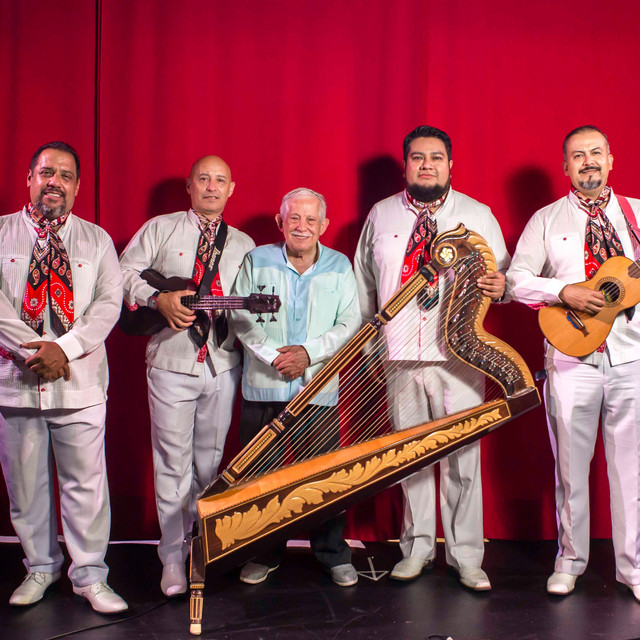
A typical son jarocho ensemble centers around a trio of string instruments: the jarana (a family of small to mid-sized 8-string guitars that form the core rhythmic-harmonic foundation), the requinto (a higher-pitched 4-string guitar that carries melodic lines), and the arpa jarocha (a diatonic, plucked, wire-strung harp that adds shimmer and drone). Other common elements include a box or drum for percussion, hand claps, and footwork (zapateado). Vocals are often chant-like, with verses improvised in a lively, communal “pregón” or sung in a shared chorus, allowing singers to trade lines and respond to each other’s phrases. The songs—called coplas—tell about love, daily life, humor, and social topics, always threaded with improvisation and a strong sense of place.
Key pieces and ambassadors
La Bamba, the most famous son jarocho tune, became a global entry point for the genre when Ry Cooder and, later, Los Lobos popularized a version in the rock and pop sphere. That crossover helped bring attention to Veracruz’s sound beyond its borders while revealing the genre’s infectious energy. In Veracruz and its diaspora, contemporary ensembles have become essential ambassadors: Los Cojolites, a renowned group from the region, and other modern ensembles (such as Tlen Huicani and similar collectives) have helped sustain and renew the tradition, balancing reverence for roots with inventive arrangements. These artists keep the form vibrant by touring internationally, organizing community fandangos, and teaching younger players the craft of copla, jarocho rhythm, and improvisation.
Where it’s heard today
Son jarocho remains most popular in Mexico, especially Veracruz, where it is woven into festivals, family gatherings, and regional celebrations. Its influence travels widely through the Mexican and Mexican-American communities in the United States, where it continues to inspire world-music audiences with live performances, workshops, and cross-cultural collaborations. In Europe and other regions with world-music engagement, festivals and academic programs celebrate its hybrid rhythms, storytelling traditions, and participatory performance.
If you’re a music enthusiast, son jarocho offers a living history lesson in how cultures meet, improvise, and sing together. Its exuberant call-and-response, distinctive instrumentarium, and communal ethos make it not just a genre, but a communal art form that invites anyone to join the song.
Origins and evolution
The roots of son jarocho reach back to the colonial era, with strong traces in the 17th and 18th centuries as African and Indigenous practices intersected with European song forms brought by settlers and sailors. Veracruz’s cosmopolitan life—trade, slavery, and migration—created a fertile ground for improvisation, storytelling, and communal performance. Fandangos—informal gatherings that blend music, dance, poetry, and humor—became the crucibles where verses were invented on the spot and passed along through generations. The genre is not a single fixed tradition but a family of related styles that share timbre, rhythm, and spirit.
Sound, instruments, and practice
A typical son jarocho ensemble centers around a trio of string instruments: the jarana (a family of small to mid-sized 8-string guitars that form the core rhythmic-harmonic foundation), the requinto (a higher-pitched 4-string guitar that carries melodic lines), and the arpa jarocha (a diatonic, plucked, wire-strung harp that adds shimmer and drone). Other common elements include a box or drum for percussion, hand claps, and footwork (zapateado). Vocals are often chant-like, with verses improvised in a lively, communal “pregón” or sung in a shared chorus, allowing singers to trade lines and respond to each other’s phrases. The songs—called coplas—tell about love, daily life, humor, and social topics, always threaded with improvisation and a strong sense of place.
Key pieces and ambassadors
La Bamba, the most famous son jarocho tune, became a global entry point for the genre when Ry Cooder and, later, Los Lobos popularized a version in the rock and pop sphere. That crossover helped bring attention to Veracruz’s sound beyond its borders while revealing the genre’s infectious energy. In Veracruz and its diaspora, contemporary ensembles have become essential ambassadors: Los Cojolites, a renowned group from the region, and other modern ensembles (such as Tlen Huicani and similar collectives) have helped sustain and renew the tradition, balancing reverence for roots with inventive arrangements. These artists keep the form vibrant by touring internationally, organizing community fandangos, and teaching younger players the craft of copla, jarocho rhythm, and improvisation.
Where it’s heard today
Son jarocho remains most popular in Mexico, especially Veracruz, where it is woven into festivals, family gatherings, and regional celebrations. Its influence travels widely through the Mexican and Mexican-American communities in the United States, where it continues to inspire world-music audiences with live performances, workshops, and cross-cultural collaborations. In Europe and other regions with world-music engagement, festivals and academic programs celebrate its hybrid rhythms, storytelling traditions, and participatory performance.
If you’re a music enthusiast, son jarocho offers a living history lesson in how cultures meet, improvise, and sing together. Its exuberant call-and-response, distinctive instrumentarium, and communal ethos make it not just a genre, but a communal art form that invites anyone to join the song.