Genre
sotalaulut
Top Sotalaulut Artists
Showing 9 of 9 artists


About Sotalaulut
Sotalaulut, literally “war songs” in Finnish, is a genre that sits at a vivid crossroads of folk tradition, military music, and epic storytelling. It is less a fixed style with a tight canon than a living repertoire that has grown out of collective endurance, national memory, and communal singing. For enthusiasts, sotalaulut offers a window into how communities translate conflict into song—how courage, loss, and place can be sung into meaning.
Origins and birth
Sotalaulut trace their roots to the broader Nordic and Baltic war-time and post-war song cultures, but they found a distinctive voice in Finland’s turbulent 20th century. The repertoire crystallized in the late 1930s and 1940s, amid the Winter War (1939–40) and the Continuation War (1941–44), when music became a crucial instrument for morale, solidarity, and national identity. Soldiers, veterans, and civilians alike turned to choral singing, marching tunes, and ballad-like narratives to sustain courage and communal memory. In peacetime, the tradition persisted as a form of memorial song and a way to reflect on landscape, homeland, and sacrifice. Today, sotalaulut remains a versatile genre that travels between historical reverence and contemporary reinterpretation.
Musical characteristics
Sotalaulut often centers on large vocal ensembles—choirs or grouped voices that create a powerful, prismatic sound. The vocal lines are frequently robust, with call-and-response textures and chorale-like harmonies that emphasize collective voice over individual prominence. Rhythmic propulsion is common, drawing on march tempos and drum-driven cadences that evoke military discipline and resilience. Melodically, the tunes may lean into solemn minor modes, with moments of bright, anthemic uplift, allowing for both restraint and catharsis. Instrumentation can be traditional—accordion, fiddle, and brass—or pared down to voice and minimal accompaniment in intimate settings. In contemporary reinterpretations, producers blend field recordings, subtle electronics, or folk-leaning textures while preserving the genre’s core ethos: solidarity, endurance, and memory.
Themes and mood
Lyrically, sotalaulut often braid landscapes (lakes, forests, skies), comradeship, sacrifice, and remembrance. They can be martial in tone, celebrating steadfastness and courage, yet many pieces also carry weighty elegy for the fallen and the costs of conflict. The mood shifts across pieces—from stoic defiance to reflective mourning—always anchored by the communal act of singing together.
Where it’s popular
The heartland of sotalaulut is Finland, where the tradition is deeply woven into schools, veterans’ groups, military ensembles, and folk circles. Its influence extends to other Nordic countries and diaspora Finnish communities, where similar war-narratives and choral aesthetics resonate. In recent years, contemporary folk and indie artists in Finland and the Nordic region have revived and reinterpreted sotalaulut, introducing it to curious audiences through concerts, festivals, and recording projects.
Key ambassadors and artists
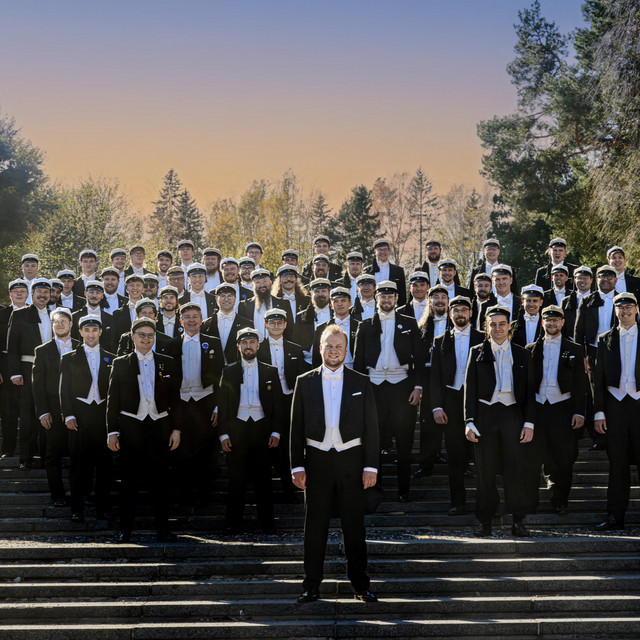
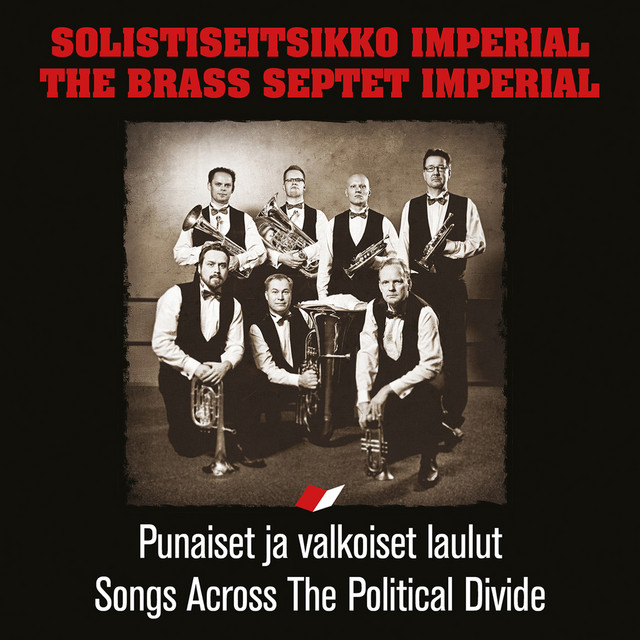
Sotalaulut thrives as an institution-driven lineage as well as a living art form. Ambassadors include military and veteran choirs, and the defense forces’ bands that maintain and perpetuate the traditional repertoire. Community and church choirs often perform sotalaulut as part of commemorations, memorial concerts, and cultural festivals. In contemporary circles, folk and singer-songwriter collaborations reinterpret war songs for new audiences, blending traditional vocal techniques with modern arrangements. While there may not be a long list of internationally famous solo names, the genre’s ambassadors are those who carry the collective voice—military bands, veterans’ choirs, and modern folk ensembles—into today’s concert halls and festival stages.
If you’re a music enthusiast, Sotalaulut offers a rich, historically grounded exploration of how war-time emotion translates into communal sound. It invites both reverent listening and daring reinterpretation, making it a compelling study for anyone drawn to music that speaks as loudly as it sounds.
Origins and birth
Sotalaulut trace their roots to the broader Nordic and Baltic war-time and post-war song cultures, but they found a distinctive voice in Finland’s turbulent 20th century. The repertoire crystallized in the late 1930s and 1940s, amid the Winter War (1939–40) and the Continuation War (1941–44), when music became a crucial instrument for morale, solidarity, and national identity. Soldiers, veterans, and civilians alike turned to choral singing, marching tunes, and ballad-like narratives to sustain courage and communal memory. In peacetime, the tradition persisted as a form of memorial song and a way to reflect on landscape, homeland, and sacrifice. Today, sotalaulut remains a versatile genre that travels between historical reverence and contemporary reinterpretation.
Musical characteristics
Sotalaulut often centers on large vocal ensembles—choirs or grouped voices that create a powerful, prismatic sound. The vocal lines are frequently robust, with call-and-response textures and chorale-like harmonies that emphasize collective voice over individual prominence. Rhythmic propulsion is common, drawing on march tempos and drum-driven cadences that evoke military discipline and resilience. Melodically, the tunes may lean into solemn minor modes, with moments of bright, anthemic uplift, allowing for both restraint and catharsis. Instrumentation can be traditional—accordion, fiddle, and brass—or pared down to voice and minimal accompaniment in intimate settings. In contemporary reinterpretations, producers blend field recordings, subtle electronics, or folk-leaning textures while preserving the genre’s core ethos: solidarity, endurance, and memory.
Themes and mood
Lyrically, sotalaulut often braid landscapes (lakes, forests, skies), comradeship, sacrifice, and remembrance. They can be martial in tone, celebrating steadfastness and courage, yet many pieces also carry weighty elegy for the fallen and the costs of conflict. The mood shifts across pieces—from stoic defiance to reflective mourning—always anchored by the communal act of singing together.
Where it’s popular
The heartland of sotalaulut is Finland, where the tradition is deeply woven into schools, veterans’ groups, military ensembles, and folk circles. Its influence extends to other Nordic countries and diaspora Finnish communities, where similar war-narratives and choral aesthetics resonate. In recent years, contemporary folk and indie artists in Finland and the Nordic region have revived and reinterpreted sotalaulut, introducing it to curious audiences through concerts, festivals, and recording projects.
Key ambassadors and artists
Sotalaulut thrives as an institution-driven lineage as well as a living art form. Ambassadors include military and veteran choirs, and the defense forces’ bands that maintain and perpetuate the traditional repertoire. Community and church choirs often perform sotalaulut as part of commemorations, memorial concerts, and cultural festivals. In contemporary circles, folk and singer-songwriter collaborations reinterpret war songs for new audiences, blending traditional vocal techniques with modern arrangements. While there may not be a long list of internationally famous solo names, the genre’s ambassadors are those who carry the collective voice—military bands, veterans’ choirs, and modern folk ensembles—into today’s concert halls and festival stages.
If you’re a music enthusiast, Sotalaulut offers a rich, historically grounded exploration of how war-time emotion translates into communal sound. It invites both reverent listening and daring reinterpretation, making it a compelling study for anyone drawn to music that speaks as loudly as it sounds.