Genre
south african jazz
Top South african jazz Artists
Showing 25 of 35 artists




About South african jazz
South African jazz is a vital, evolving conversation that threads Africa’s rhythmic heart with the improvisational language of modern jazz. It is not a single sound but a lineage of styles that grew where Africans met Western harmonic ideas, from townships and cape flats to international stages.
Origins and birth of a genre
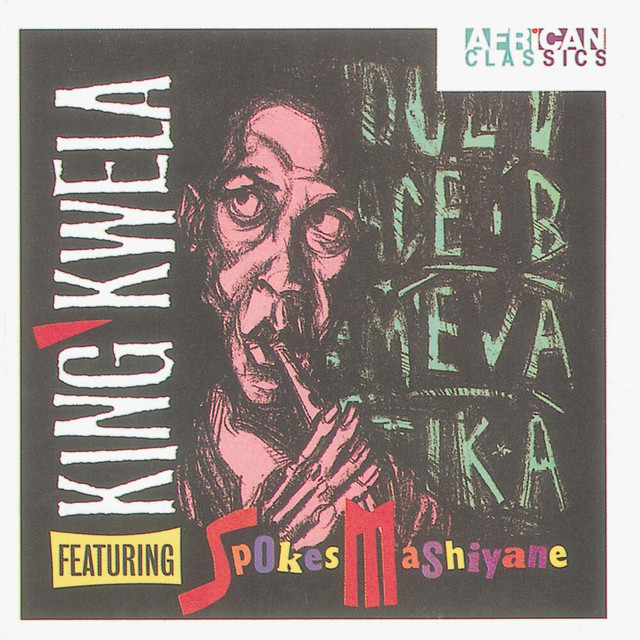
The roots reach back to the early 20th century. In Johannesburg and other urban centers, Marabi and later isicathamiya-tinged music fused with American jazz forms as musicians improvised over repetitive, hypnotic horn lines and piano patterns. By the 1950s, Kwela—featuring nimble pennywhistles and swinging basslines—brought a street-level, danceable side of jazz into popular consciousness. This era created a rough but radiant bridge between traditional African sounds and the ensemble energy of jazz.
The 1960s then saw a crucial diaspora moment. As apartheid intensified, many SA jazz artists left the country, forming bands like the Blue Notes in London. This period helped crystallize a distinctly South African jazz vocabulary—tight horn sections, pentatonic melodies, polyphonic singing, and improvisation that could swing between the African idiom and the language of hard bop and modal jazz. Cape Town’s or Cape jazz also began to be heard as a refined, introspective strand, with pianists and vocalists exploring spacious, lyrical textures. The decades that followed carried SA jazz into fusion, Afro-jazz, and contemporary forms while keeping a strong sense of place, memory, and story.
Key artists and ambassadors
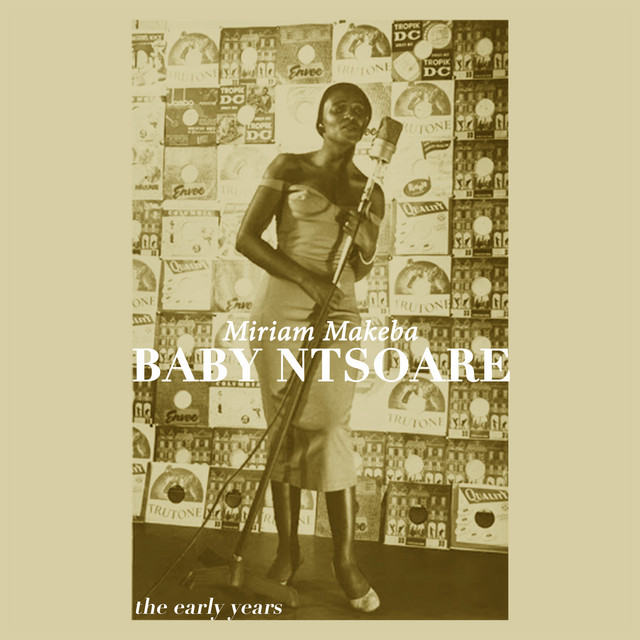
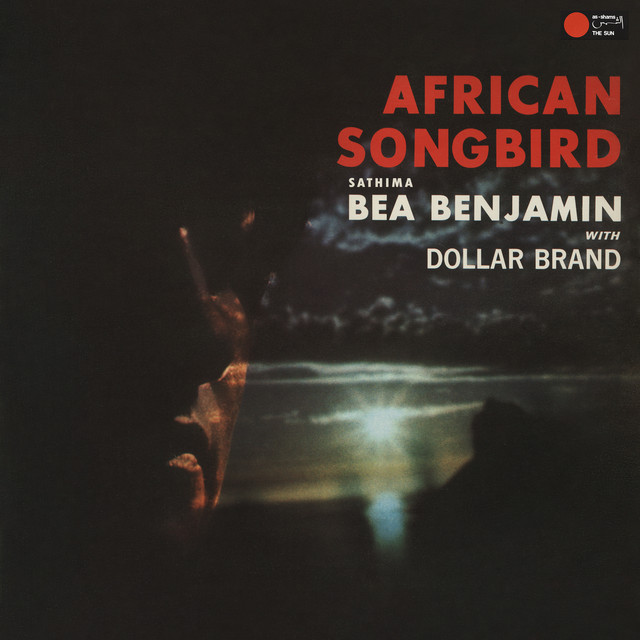
South African jazz has been carried worldwide by a constellation of individuals who became ambassadors for the sound. Abdullah Ibrahim (Dollar Brand) is often regarded as a central figure—his piano, orchestral restraint, and meditative blues-infused lines embody a spiritual, global SA jazz voice. Hugh Masekela, a trumpet virtuoso and activist, brought exuberant, melodic jazz-to-pop crossover energy to audiences around the world with songs like Grazin’ in the Grass and Bring Him Back Home. Miriam Makeba, while primarily known as a singer and civil-rights icon, repeatedly blended jazz-inflected songs with traditional SA expressions, helping bring the music to international listeners. In the instrumental frontier, Dudu Pukwana (alto sax) and Louis Moholo (drums) led the Blue Notes and later the Brotherhood of Breath, groups that fused South African melodies with improvisational freedom and helped seed a global jazz‑SA dialogue. Other important figures include Chris McGregor (piano), Letta Mbulu (voice), and generations of players continuing the lineage into the 21st century.
Where it resonates today
South African jazz remains rooted in its home country, where a vibrant live scene, festivals, and radio keep the tradition alive. It’s also strongly influential beyond South Africa’s borders—in Europe (especially the United Kingdom, the Netherlands, and Germany), as well as in North America—where exiled players, touring ensembles, and collaborative projects have introduced SA jazz to new audiences. The sound continues to evolve, embracing contemporary production, cross-genre experimentation, and new voices that foreground storytelling, resilience, and a musical memory of the land.
For enthusiasts, SA jazz offers a compelling blend: improvisational daring, rhythmic diversity, and a lineage that speaks to South Africa’s social history while also projecting a universal language of swing, soul, and improvisation.
Origins and birth of a genre
The roots reach back to the early 20th century. In Johannesburg and other urban centers, Marabi and later isicathamiya-tinged music fused with American jazz forms as musicians improvised over repetitive, hypnotic horn lines and piano patterns. By the 1950s, Kwela—featuring nimble pennywhistles and swinging basslines—brought a street-level, danceable side of jazz into popular consciousness. This era created a rough but radiant bridge between traditional African sounds and the ensemble energy of jazz.
The 1960s then saw a crucial diaspora moment. As apartheid intensified, many SA jazz artists left the country, forming bands like the Blue Notes in London. This period helped crystallize a distinctly South African jazz vocabulary—tight horn sections, pentatonic melodies, polyphonic singing, and improvisation that could swing between the African idiom and the language of hard bop and modal jazz. Cape Town’s or Cape jazz also began to be heard as a refined, introspective strand, with pianists and vocalists exploring spacious, lyrical textures. The decades that followed carried SA jazz into fusion, Afro-jazz, and contemporary forms while keeping a strong sense of place, memory, and story.
Key artists and ambassadors
South African jazz has been carried worldwide by a constellation of individuals who became ambassadors for the sound. Abdullah Ibrahim (Dollar Brand) is often regarded as a central figure—his piano, orchestral restraint, and meditative blues-infused lines embody a spiritual, global SA jazz voice. Hugh Masekela, a trumpet virtuoso and activist, brought exuberant, melodic jazz-to-pop crossover energy to audiences around the world with songs like Grazin’ in the Grass and Bring Him Back Home. Miriam Makeba, while primarily known as a singer and civil-rights icon, repeatedly blended jazz-inflected songs with traditional SA expressions, helping bring the music to international listeners. In the instrumental frontier, Dudu Pukwana (alto sax) and Louis Moholo (drums) led the Blue Notes and later the Brotherhood of Breath, groups that fused South African melodies with improvisational freedom and helped seed a global jazz‑SA dialogue. Other important figures include Chris McGregor (piano), Letta Mbulu (voice), and generations of players continuing the lineage into the 21st century.
Where it resonates today
South African jazz remains rooted in its home country, where a vibrant live scene, festivals, and radio keep the tradition alive. It’s also strongly influential beyond South Africa’s borders—in Europe (especially the United Kingdom, the Netherlands, and Germany), as well as in North America—where exiled players, touring ensembles, and collaborative projects have introduced SA jazz to new audiences. The sound continues to evolve, embracing contemporary production, cross-genre experimentation, and new voices that foreground storytelling, resilience, and a musical memory of the land.
For enthusiasts, SA jazz offers a compelling blend: improvisational daring, rhythmic diversity, and a lineage that speaks to South Africa’s social history while also projecting a universal language of swing, soul, and improvisation.