Genre
balkan hip hop
Top Balkan hip hop Artists
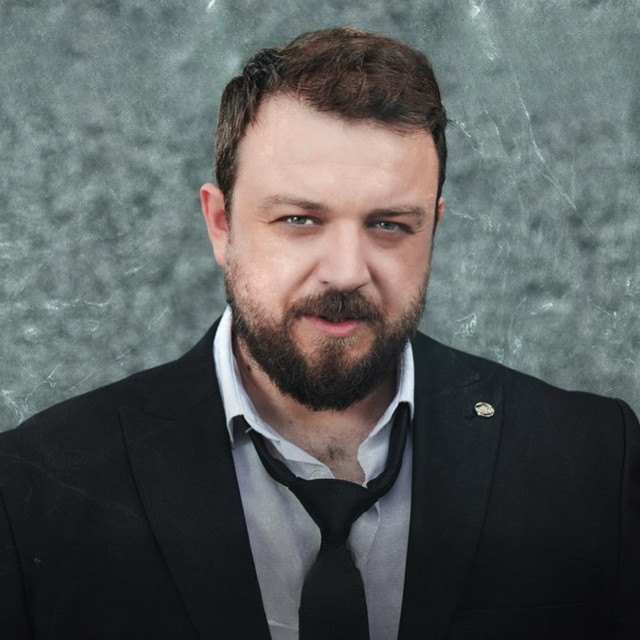
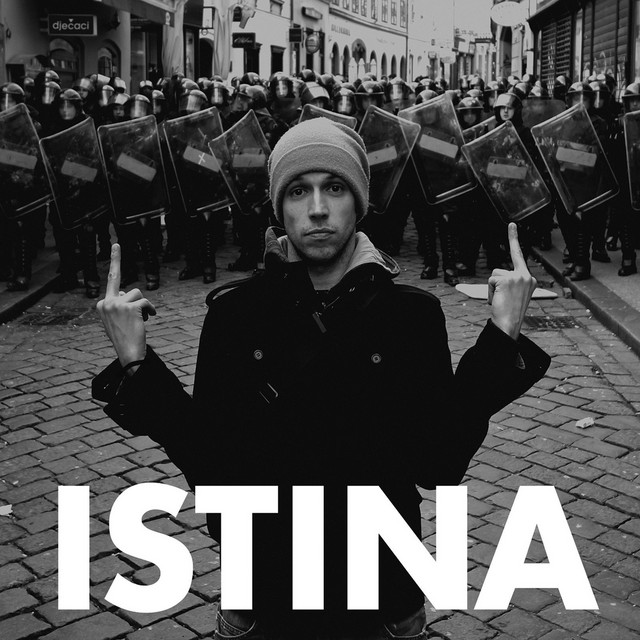
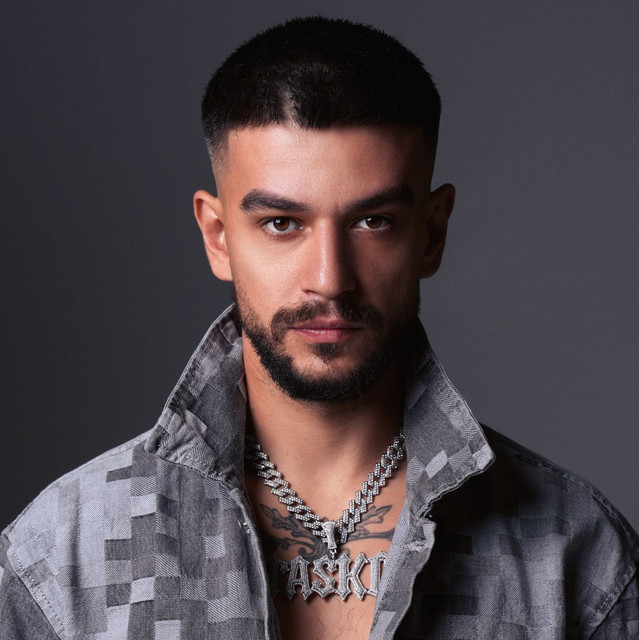
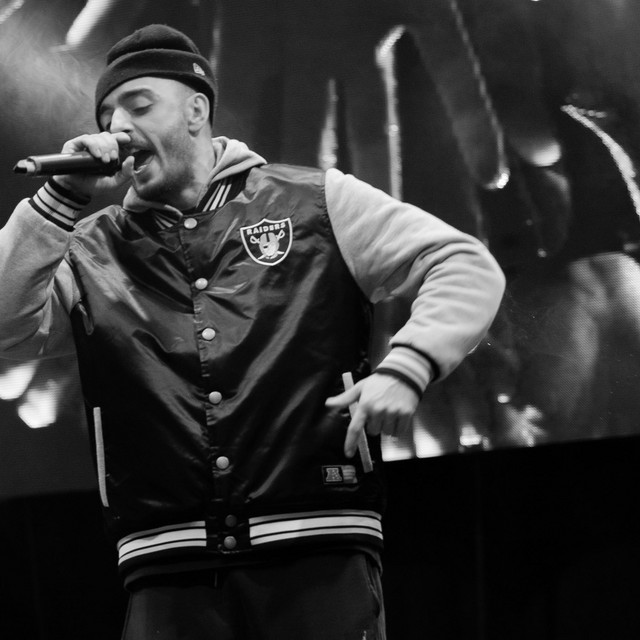
Showing 25 of 56 artists









About Balkan hip hop
Balkan hip hop is a vibrant, regionally flavored branch of the global hip hop family. It emerged in the late 1990s, born from the urban centers of the former Yugoslavia where young MCs and producers began to fuse American breakbeats with the region’s own musical vocabulary. In cities like Belgrade, Zagreb, Sarajevo, Skopje, and Tirana, artists started speaking in local slang, swapping sampled funk and soul for melodies inspired by sevdah, brass bands, Romani chants, and folk motifs. The result is a sound that feels both gritty and joyful, streetwise yet deeply rooted in tradition.
Technically, Balkan hip hop shares the core tools of its global counterpart: punchy drum patterns, clever sampling, and inventive wordplay. But it stands out through its sonic collage: loops built from Balkan brass lines, flirtations with folk melodies, and a willingness to sing or chant in several languages, from Serbo‑Croatian variants to Albanian and Macedonian. Lyric subjects range from daily life in precarious economies to sharp social critique of corruption, nationalism, and war legacies. The genre often functions as a collective diary of a generation negotiating identity across borders that are both legal and cultural.
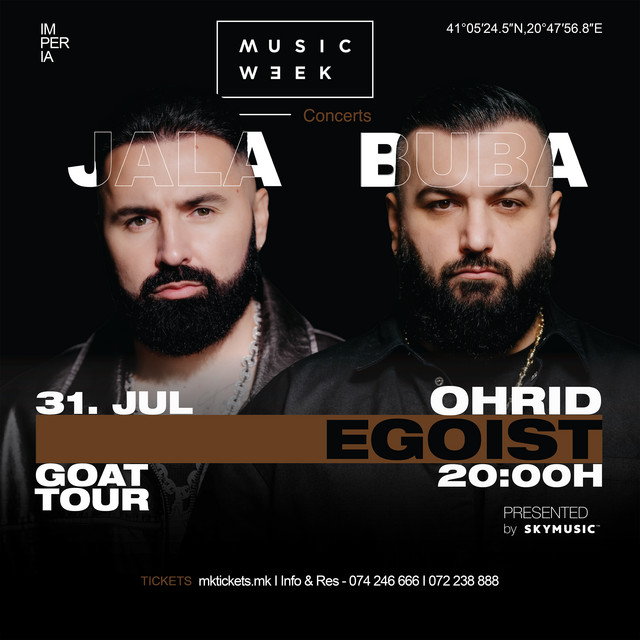
The scene matured in the early 2000s and quickly spread across the region, fomenting crews, collectives, and independent labels that could operate outside the mainstream. It also found a receptive European diaspora audience, touring venues from Belgrade clubs to European capitals and festival stages, where Balkan rhythms met global hip hop flows. Over time, Balkan hip hop absorbed other local styles—pumping brass-led party tracks, melancholic ballads reframed as rap verses, and even elements of reggae, funk, and electronic music—creating a flexible, hybrid toolkit.
Among the genre’s most visible ambassadors are artists and groups who helped popularize Balkan hip hop beyond their borders. Edo Maajka from Bosnia and Herzegovina became one of the region’s most influential voices, known for sharp, socially conscious lyrics and wide cross‑border appeal. Marčelo from Serbia gained renown for his literate, concept-driven storytelling and thoughtful critiques of society. In Croatia, the group Beogradski Sindikat and the ensemble TBF forged reputations for rugged, streetwise charisma and genre-crossing production. Slovenia’s N’toko and other regional talents have also driven the scene forward, showcasing how Balkan hip hop can be both locally tuned and internationally legible.
Today, Balkan hip hop remains a vital, evolving movement. It thrives on multilingual releases, festivals, and online channels that connect artists with fans across the Balkans and the wider European landscape. For enthusiasts, the genre offers a doorway into a contemporary Balkan sensibility—one that honors tradition while speaking with the immediacy of hip hop’s cadence and its appetite for social commentary.
Listeners seeking a deeper dive should explore cross-border collaborations and multilingual releases, and attend live shows where the genre's communal energy comes alive. The Balkan hip hop community often emphasizes authenticity, mutual aid, and a DIY ethos—independent labels, underground releases, and street-level shows that keep the culture dynamic, messy, and human. It is less about polish and more about voice, timing, and the courage to speak from a specific place while inviting a wider conversation.
Technically, Balkan hip hop shares the core tools of its global counterpart: punchy drum patterns, clever sampling, and inventive wordplay. But it stands out through its sonic collage: loops built from Balkan brass lines, flirtations with folk melodies, and a willingness to sing or chant in several languages, from Serbo‑Croatian variants to Albanian and Macedonian. Lyric subjects range from daily life in precarious economies to sharp social critique of corruption, nationalism, and war legacies. The genre often functions as a collective diary of a generation negotiating identity across borders that are both legal and cultural.
The scene matured in the early 2000s and quickly spread across the region, fomenting crews, collectives, and independent labels that could operate outside the mainstream. It also found a receptive European diaspora audience, touring venues from Belgrade clubs to European capitals and festival stages, where Balkan rhythms met global hip hop flows. Over time, Balkan hip hop absorbed other local styles—pumping brass-led party tracks, melancholic ballads reframed as rap verses, and even elements of reggae, funk, and electronic music—creating a flexible, hybrid toolkit.
Among the genre’s most visible ambassadors are artists and groups who helped popularize Balkan hip hop beyond their borders. Edo Maajka from Bosnia and Herzegovina became one of the region’s most influential voices, known for sharp, socially conscious lyrics and wide cross‑border appeal. Marčelo from Serbia gained renown for his literate, concept-driven storytelling and thoughtful critiques of society. In Croatia, the group Beogradski Sindikat and the ensemble TBF forged reputations for rugged, streetwise charisma and genre-crossing production. Slovenia’s N’toko and other regional talents have also driven the scene forward, showcasing how Balkan hip hop can be both locally tuned and internationally legible.
Today, Balkan hip hop remains a vital, evolving movement. It thrives on multilingual releases, festivals, and online channels that connect artists with fans across the Balkans and the wider European landscape. For enthusiasts, the genre offers a doorway into a contemporary Balkan sensibility—one that honors tradition while speaking with the immediacy of hip hop’s cadence and its appetite for social commentary.
Listeners seeking a deeper dive should explore cross-border collaborations and multilingual releases, and attend live shows where the genre's communal energy comes alive. The Balkan hip hop community often emphasizes authenticity, mutual aid, and a DIY ethos—independent labels, underground releases, and street-level shows that keep the culture dynamic, messy, and human. It is less about polish and more about voice, timing, and the courage to speak from a specific place while inviting a wider conversation.