Genre
southern gospel
Top Southern gospel Artists
Showing 25 of 982 artists












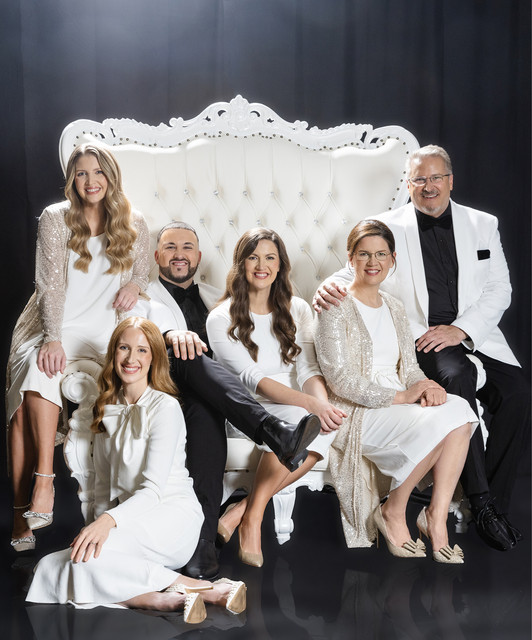




About Southern gospel
Southern gospel is a roots-driven strain of gospel music anchored in the American South. It prizes four-part harmony, strong lead vocal lines, and a blend of spiritual exhortation with the warmth of country- and blues-inflected energy. The sound sits squarely in the quartet tradition—lead, tenor, baritone, and bass weaving a tight, reverent conversation—often supported by piano, organ, acoustic guitar, and occasionally fiddle or banjo. Lyrics celebrate salvation, church devotion, and personal testimony, delivered with a sense of communal worship that feels both intimate and triumphant.
The genre grew out of late 19th- and early 20th-century Southern churches, drawing from white gospel hymnody, African American spirituals, and the shape-note singing that thrived in rural schools and meeting halls. The term “southern gospel” became widely used in the mid-20th century, but its DNA runs through early gospel quartets and revival circuits that fused religious fervor with popular songcraft. Four-part quartet groups found thriving platforms on regional radio, on church programs, and on the expanding circuit of concerts and fairs. Institutions like the Stamps-Bernard School (founded in Texas in the 1930s) trained many singers and arrangers who helped define the sound for decades to come.
Among its ambassadors are several groups and voices whose names remain touchstones for fans. The Blackwood Brothers helped popularize the classic gospel quartet sound from the 1940s onward. The Statesmen Quartet, formed in 1948, became a blueprint for harmony, sermon-like preaching in song, and high-energy revival spirit. The Cathedral Quartet, emerging in the 1960s, brought tight musical craft and accessible, emotionally direct performance that shaped a generation. The Florida Boys and the Happy Goodman Family carried the tradition through mid-century circuits, while newer generations have carried the flame as Gold City, the Kingdom Heirs, and the Booth Brothers. In the contemporary era, Bill and Gloria Gaither, and especially the Gaither Vocal Band, expanded southern gospel’s reach through homecoming videos, TV specials, and international tours, turning a regional worship style into a global phenomenon.
Geographically, southern gospel remains strongest in the United States—particularly the Southeast, where churches, radio programs, and recording studios nurtured the sound. It is, however, popular in Canada and parts of Europe, with growing audiences in the United Kingdom, Australia, and New Zealand, thanks to touring groups and the worldwide Gaither network. The music often travels beyond church walls through festivals, college concerts, and streaming platforms, inviting listeners into the warmth of a four-part hymn that feels both rooted and expansive. While it continues to evolve—blending with contemporary gospel, country pop, and bluegrass—southern gospel remains defined by its communal voice, heartfelt testimony, and the enduring tradition of singing as worship.
Listeners distinguish traditional southern gospel—polished quartet singing and classic hymn arrangements—from contemporary southern gospel with rock-tinged rhythms, keyboards, and tighter drum production. The shift began in the 1970s and 1980s as studio technology and touring networks broadened audiences while artists sought to reach younger listeners without losing the genre’s spiritual core. Festivals and radio programs across South and Midwest keep the sound vital for enthusiasts seeking heritage and fresh energy.
The genre grew out of late 19th- and early 20th-century Southern churches, drawing from white gospel hymnody, African American spirituals, and the shape-note singing that thrived in rural schools and meeting halls. The term “southern gospel” became widely used in the mid-20th century, but its DNA runs through early gospel quartets and revival circuits that fused religious fervor with popular songcraft. Four-part quartet groups found thriving platforms on regional radio, on church programs, and on the expanding circuit of concerts and fairs. Institutions like the Stamps-Bernard School (founded in Texas in the 1930s) trained many singers and arrangers who helped define the sound for decades to come.
Among its ambassadors are several groups and voices whose names remain touchstones for fans. The Blackwood Brothers helped popularize the classic gospel quartet sound from the 1940s onward. The Statesmen Quartet, formed in 1948, became a blueprint for harmony, sermon-like preaching in song, and high-energy revival spirit. The Cathedral Quartet, emerging in the 1960s, brought tight musical craft and accessible, emotionally direct performance that shaped a generation. The Florida Boys and the Happy Goodman Family carried the tradition through mid-century circuits, while newer generations have carried the flame as Gold City, the Kingdom Heirs, and the Booth Brothers. In the contemporary era, Bill and Gloria Gaither, and especially the Gaither Vocal Band, expanded southern gospel’s reach through homecoming videos, TV specials, and international tours, turning a regional worship style into a global phenomenon.
Geographically, southern gospel remains strongest in the United States—particularly the Southeast, where churches, radio programs, and recording studios nurtured the sound. It is, however, popular in Canada and parts of Europe, with growing audiences in the United Kingdom, Australia, and New Zealand, thanks to touring groups and the worldwide Gaither network. The music often travels beyond church walls through festivals, college concerts, and streaming platforms, inviting listeners into the warmth of a four-part hymn that feels both rooted and expansive. While it continues to evolve—blending with contemporary gospel, country pop, and bluegrass—southern gospel remains defined by its communal voice, heartfelt testimony, and the enduring tradition of singing as worship.
Listeners distinguish traditional southern gospel—polished quartet singing and classic hymn arrangements—from contemporary southern gospel with rock-tinged rhythms, keyboards, and tighter drum production. The shift began in the 1970s and 1980s as studio technology and touring networks broadened audiences while artists sought to reach younger listeners without losing the genre’s spiritual core. Festivals and radio programs across South and Midwest keep the sound vital for enthusiasts seeking heritage and fresh energy.