Genre
southern hip hop
Top Southern hip hop Artists
Showing 25 of 1,400 artists
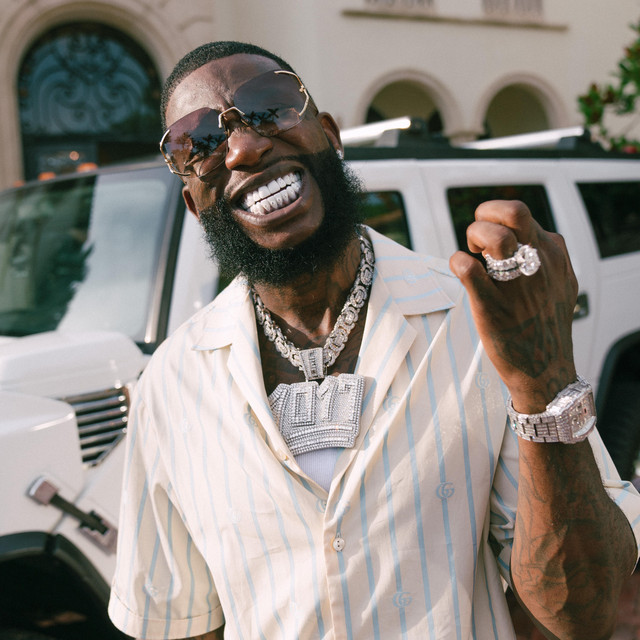
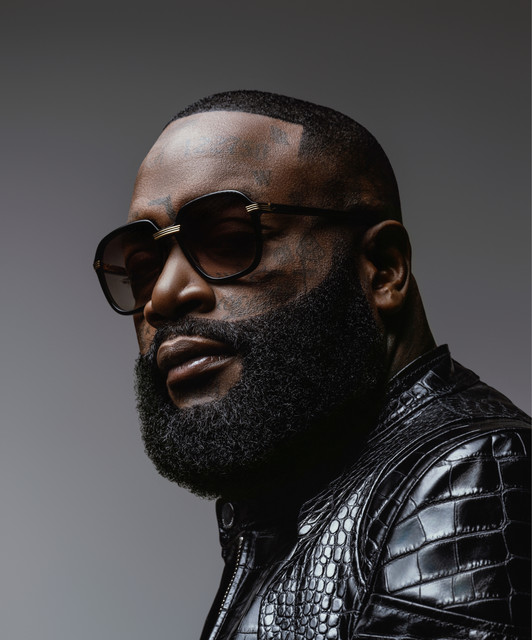
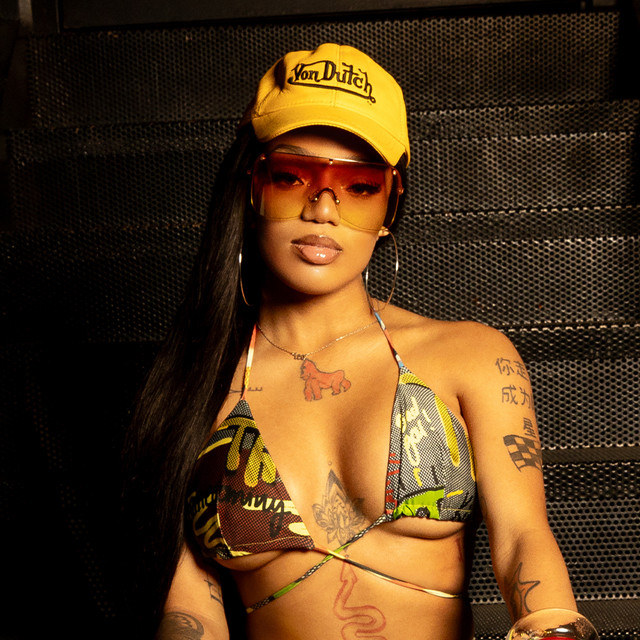
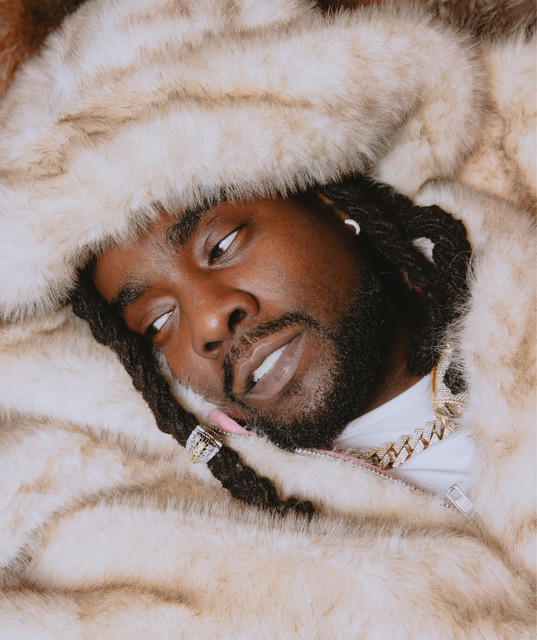


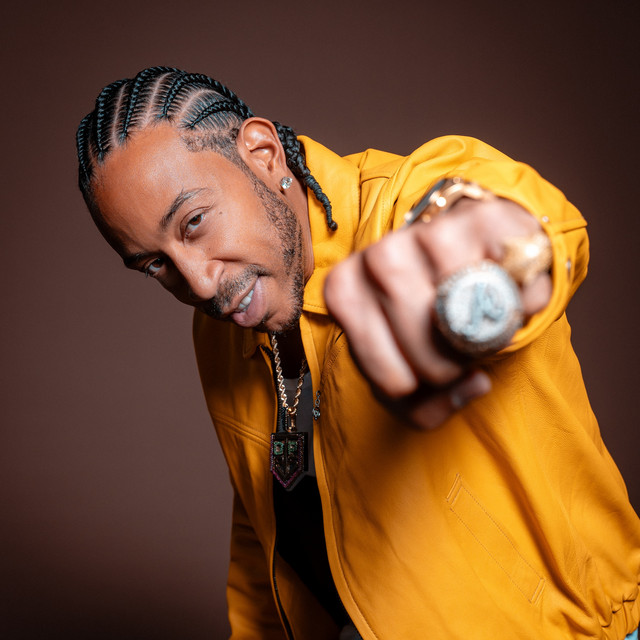
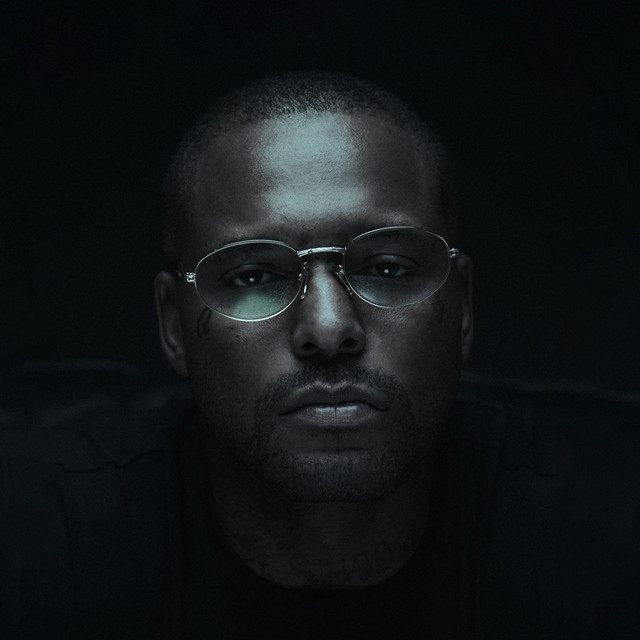
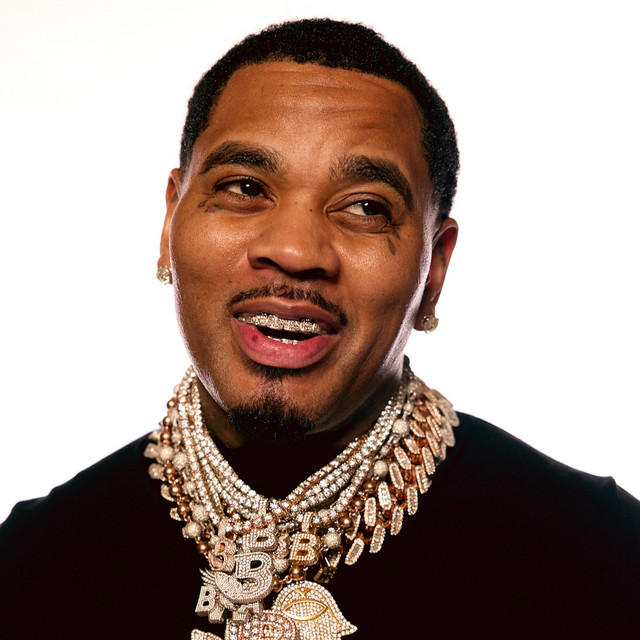
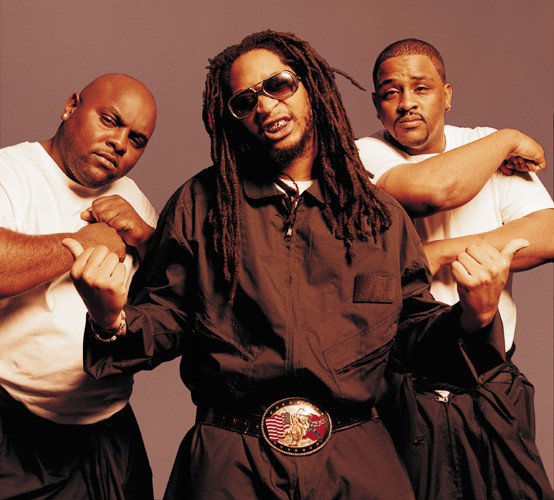
About Southern hip hop
Southern hip hop is a broad, dynamic branch of American rap that grew from the streets, clubs, and sound systems of the U.S. South in the 1990s and quickly developed its own swagger, bass-driven aesthetic, and regional identities. Unlike some other regional scenes, the South didn’t arrive as a single moment but as a constellation of scenes—each city contributing its own flavors, slang, and production styles. The result is a genre that embraces party anthems, hard-edged street narratives, glossy radio-ready tracks, and club-centric bangers, all fused with heavy 808s, melodic hooks, and an emphasis on rhythm that makes you feel the bass in your chest.
Origins and evolution can be traced across several key hubs. In Atlanta, the mid-1990s produced a gravitational pull toward smooth yet hard-hitting productions by teams like Organized Noize and the early ascendance of artists such as OutKast, who fused tight lyricism with futuristic funk. Houston gave birth to the Screw Movement, spearheaded by DJ Screw, which slowed tracks to a “chopped and screwed” pace and created a distinctive mood that permeated regional and national rap. New Orleans contributed the blistering bounce and carnival energy of Cash Money and, later, Lil Wayne’s long ascent. Memphis fostered Three 6 Mafia’s dark, horror-tingedly atmospheric sound, while Miami’s earlier booty-and-bass tradition laid foundations for bass-forward club culture that echoed into later decades. Across these cities, labels like No Limit in New Orleans and Cash Money in Louisiana, along with the Atlanta renaissance, helped fuse street grit with mainstream ambition.
Among the most influential ambassadors are a who’s who of Southern rap: OutKast and the Dungeon Family (Atlanta) reshaped global perception of Southern music with albums like Southernplayalisticadillacmuzik (1994) and the groundbreaking Stankonia (2000). UGK (Pimp C and Bun B) brought Port Arthur’s grit to a national stage, combining vivid storytelling with rugged production. Scarface, as a Houston legend, anchored the region’s hero’s journey into rap lore. Lil Wayne, rising from New Orleans near-legend status, would become a marquee figure whose catalog stretched Southern rap’s reach worldwide. Then came T.I., Ludacris, and Jeezy (among others), turning the South into a producer’s laboratory and a star-making factory for cross-continental tours and collaborations. The late-1990s and early-2000s also saw the rise of crunk in Atlanta (Lil Jon & the East Side Boyz), a high-energy, chant-led subgenre that turned club venues into explosive showcases, and trap music (with T.I., Gucci Mane, Jeezy) that fused minimalist, drum-heavy production with street-level storytelling, redefining modern Southern rap’s rhythm and cadence.
Southern hip hop’s reach is primarily felt in the United States, especially across Southern states like Georgia, Texas, Louisiana, and Mississippi, where it often doubles as cultural identity and regional pride. Internationally, its influence travels through the UK, Europe, Africa, and parts of Asia, where collaborations, streaming, and live touring have cultivated dedicated fan bases. The genre’s diversity—crunk, trap, bounce, and more—continues to evolve, reflecting the South’s evolving landscapes, fashion, and linguistic creativity.
If you crave a sound that blends street realism with club-ready energy, regional storytelling with global ambition, Southern hip hop offers a living archive—one that keeps mutating while staying unmistakably, proudly Southern.
Origins and evolution can be traced across several key hubs. In Atlanta, the mid-1990s produced a gravitational pull toward smooth yet hard-hitting productions by teams like Organized Noize and the early ascendance of artists such as OutKast, who fused tight lyricism with futuristic funk. Houston gave birth to the Screw Movement, spearheaded by DJ Screw, which slowed tracks to a “chopped and screwed” pace and created a distinctive mood that permeated regional and national rap. New Orleans contributed the blistering bounce and carnival energy of Cash Money and, later, Lil Wayne’s long ascent. Memphis fostered Three 6 Mafia’s dark, horror-tingedly atmospheric sound, while Miami’s earlier booty-and-bass tradition laid foundations for bass-forward club culture that echoed into later decades. Across these cities, labels like No Limit in New Orleans and Cash Money in Louisiana, along with the Atlanta renaissance, helped fuse street grit with mainstream ambition.
Among the most influential ambassadors are a who’s who of Southern rap: OutKast and the Dungeon Family (Atlanta) reshaped global perception of Southern music with albums like Southernplayalisticadillacmuzik (1994) and the groundbreaking Stankonia (2000). UGK (Pimp C and Bun B) brought Port Arthur’s grit to a national stage, combining vivid storytelling with rugged production. Scarface, as a Houston legend, anchored the region’s hero’s journey into rap lore. Lil Wayne, rising from New Orleans near-legend status, would become a marquee figure whose catalog stretched Southern rap’s reach worldwide. Then came T.I., Ludacris, and Jeezy (among others), turning the South into a producer’s laboratory and a star-making factory for cross-continental tours and collaborations. The late-1990s and early-2000s also saw the rise of crunk in Atlanta (Lil Jon & the East Side Boyz), a high-energy, chant-led subgenre that turned club venues into explosive showcases, and trap music (with T.I., Gucci Mane, Jeezy) that fused minimalist, drum-heavy production with street-level storytelling, redefining modern Southern rap’s rhythm and cadence.
Southern hip hop’s reach is primarily felt in the United States, especially across Southern states like Georgia, Texas, Louisiana, and Mississippi, where it often doubles as cultural identity and regional pride. Internationally, its influence travels through the UK, Europe, Africa, and parts of Asia, where collaborations, streaming, and live touring have cultivated dedicated fan bases. The genre’s diversity—crunk, trap, bounce, and more—continues to evolve, reflecting the South’s evolving landscapes, fashion, and linguistic creativity.
If you crave a sound that blends street realism with club-ready energy, regional storytelling with global ambition, Southern hip hop offers a living archive—one that keeps mutating while staying unmistakably, proudly Southern.