Genre
sovietwave
Top Sovietwave Artists
Showing 25 of 245 artists










About Sovietwave
Sovietwave is a niche but growing subgenre within the broader vaporwave umbrella, a musical and visual aesthetic built on nostalgia, archival samples, and a sense of retro-future irony. In practice, Sovietwave reimagines the late Soviet era and the ensuing post-Soviet years through sound: melancholic, dreamlike, and often minimally beat-driven, it leans on found sounds and public-domain material rather than new instrumentation. The result is a mood—soft, reflective, sometimes elegiac—that invites listeners to revisit memory as a kind of sonic landscape.
Origin and evolution
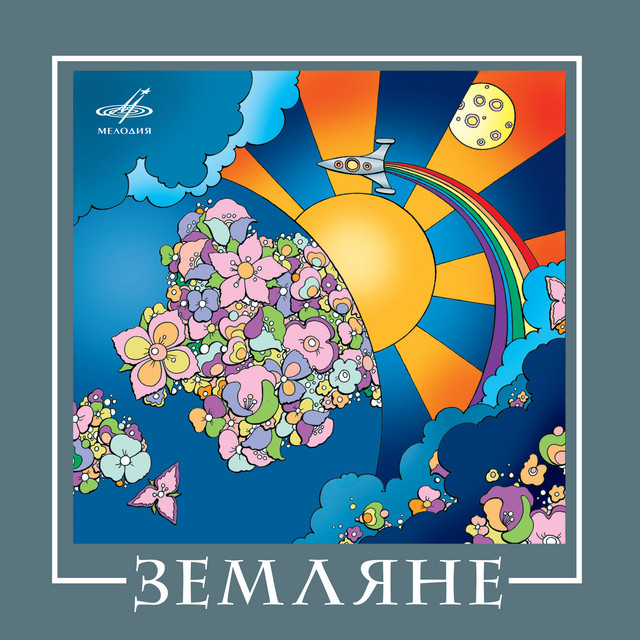
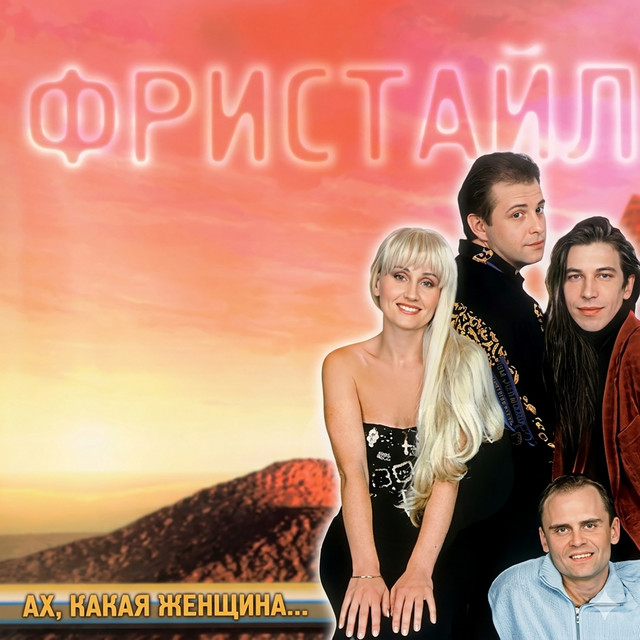
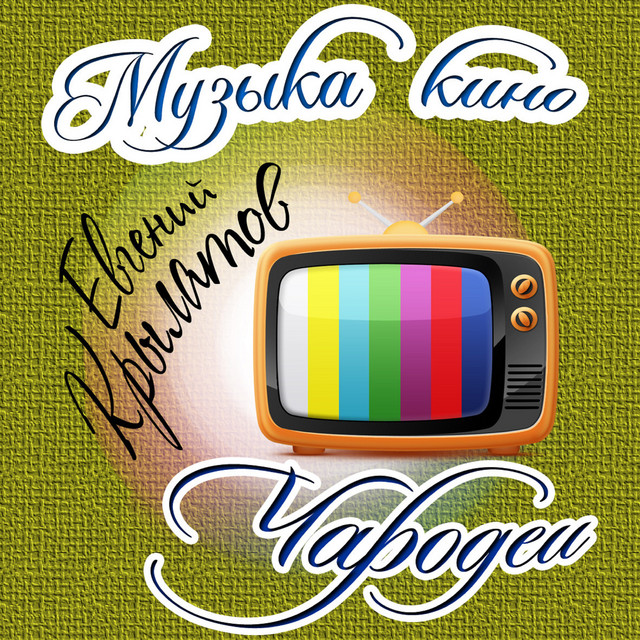
Sovietwave emerged in the online ecosystems that birthed vaporwave, roughly in the 2013–2015 window. Early producers began isolating and repurposing samples from Soviet-era media—film scores, radio broadcasts, public service announcements, and pop tunes from the 1960s through the 1990s—and placing them over hazy, lo-fi textures and gentle, repetitive synth lines. By 2016–2017 a more recognizable aesthetic had formed: cover art that uses Cyrillic typography, constructivist-inspired graphics, and grainy, VHS-like visuals, plus track structures that favor looping and atmosphere over traditional verse-chorus dynamics. The genre often blurs the line between memory and critique, constructing a sonic space that is at once affectionate and quietly questioning of the era it invokes.
Sound and mood
Sovietwave favors ambient to lightly rhythmic palettes. Expect slowed-down samples, tape hiss, CRT screen bleeps, and reverb-laden synth pads. The tempos are typically relaxed, inviting contemplative listening rather than club energy. The music can feel spacious and cinematic, as if it’s the soundtrack to a speculative travelogue through a city that never quite existed. While nostalgia is a core element, many tracks also carry a certain cultural introspection: a meditation on state imagery, public memory, and the way histories are curated or misremembered.
Distribution, communities, and reception
The genre thrives in digital spaces—Bandcamp, SoundCloud, YouTube channels, and dedicated playlists—where producers publish under various monikers, often anonymously or under project names. Because the Sovietwave scene is largely decentralized, there isn’t a single canonical lineup of “key artists.” Instead, it is carried forward by a broad community of creators, curators, and fans who share tracks, artwork, and contextual essays. This openness has fostered a sense of collective memory—listeners feel part of a transnational conversation about what the Soviet past means today. The genre is especially resonant in Russia, Ukraine, Belarus, and other post-Soviet states, where historical memory intersects with contemporary culture, but it has attracted a global audience among electronic-music enthusiasts who gravitate to its aesthetics and reflective mood.
Ambassadors and how the scene travels
In Sovietwave, ambassadors are often the curators and the platforms that organize and transmit the music rather than a small set of star performers. Online channels, playlists, and collective labels—plus fan communities that archive and discuss tracks—function as cultural ambassadors, linking listeners to new releases and historical samples alike. Because the sound travels through internet archives and fan-made retrospectives, the genre remains fluid, with new textures and regional influences continually remixing the core idea: nostalgia reframed through electronics, memory, and a quietly utopian sense of the past.
If you’d like, I can tailor this description with verified artist names and specific tracks or provide a curated list of representative contemporary Sovietwave releases from Bandcamp and YouTube.
Origin and evolution
Sovietwave emerged in the online ecosystems that birthed vaporwave, roughly in the 2013–2015 window. Early producers began isolating and repurposing samples from Soviet-era media—film scores, radio broadcasts, public service announcements, and pop tunes from the 1960s through the 1990s—and placing them over hazy, lo-fi textures and gentle, repetitive synth lines. By 2016–2017 a more recognizable aesthetic had formed: cover art that uses Cyrillic typography, constructivist-inspired graphics, and grainy, VHS-like visuals, plus track structures that favor looping and atmosphere over traditional verse-chorus dynamics. The genre often blurs the line between memory and critique, constructing a sonic space that is at once affectionate and quietly questioning of the era it invokes.
Sound and mood
Sovietwave favors ambient to lightly rhythmic palettes. Expect slowed-down samples, tape hiss, CRT screen bleeps, and reverb-laden synth pads. The tempos are typically relaxed, inviting contemplative listening rather than club energy. The music can feel spacious and cinematic, as if it’s the soundtrack to a speculative travelogue through a city that never quite existed. While nostalgia is a core element, many tracks also carry a certain cultural introspection: a meditation on state imagery, public memory, and the way histories are curated or misremembered.
Distribution, communities, and reception
The genre thrives in digital spaces—Bandcamp, SoundCloud, YouTube channels, and dedicated playlists—where producers publish under various monikers, often anonymously or under project names. Because the Sovietwave scene is largely decentralized, there isn’t a single canonical lineup of “key artists.” Instead, it is carried forward by a broad community of creators, curators, and fans who share tracks, artwork, and contextual essays. This openness has fostered a sense of collective memory—listeners feel part of a transnational conversation about what the Soviet past means today. The genre is especially resonant in Russia, Ukraine, Belarus, and other post-Soviet states, where historical memory intersects with contemporary culture, but it has attracted a global audience among electronic-music enthusiasts who gravitate to its aesthetics and reflective mood.
Ambassadors and how the scene travels
In Sovietwave, ambassadors are often the curators and the platforms that organize and transmit the music rather than a small set of star performers. Online channels, playlists, and collective labels—plus fan communities that archive and discuss tracks—function as cultural ambassadors, linking listeners to new releases and historical samples alike. Because the sound travels through internet archives and fan-made retrospectives, the genre remains fluid, with new textures and regional influences continually remixing the core idea: nostalgia reframed through electronics, memory, and a quietly utopian sense of the past.
If you’d like, I can tailor this description with verified artist names and specific tracks or provide a curated list of representative contemporary Sovietwave releases from Bandcamp and YouTube.