Genre
spanish baroque
Top Spanish baroque Artists
Showing 21 of 21 artists




About Spanish baroque
Spanish Baroque is the Iberian branch of the European Baroque, a musical culture that flourished in Spain and its far‑flung empire from roughly the early 17th century through the mid‑18th. It grew out of a Catholic ceremonial world—cathedral polyphony, royal chapels, and courtly theatre—and absorbed Italian dramatic rhetoric, Spanish vocal expressiveness, and a distinctive sense of dancing rhythm. The result is a sound world that feels both deeply sacred and theatrically immediate, where monody and chorus, lament and exultation, courtly dignity and popular song sit side by side.
A defining feature of Spanish Baroque is its blend of sacred and theatrical music. The sacred impulse remains strong—polyphonic motets, villancicos in liturgical settings, and large choral works—yet the era also gives birth to a robust, distinctly Spanish dramatic voice: the zarzuela. This genre, which integrates spoken dialogue with song, reflects a theatre of the streets and the court alike, and composers such as Sebastián Durón, Juan Hidalgo, and Antonio Literes are often cited as early architects of its Spanish idiom. Durón’s sacred concertato style and his transitional, dramatic sacred works helped fuse Moorish and Renaissance legacies with the new Baroque expressive toolkit. Hidalgo and Literes contributed lively, theatre‑driven pieces that foreshadow later Spanish operatic forms.
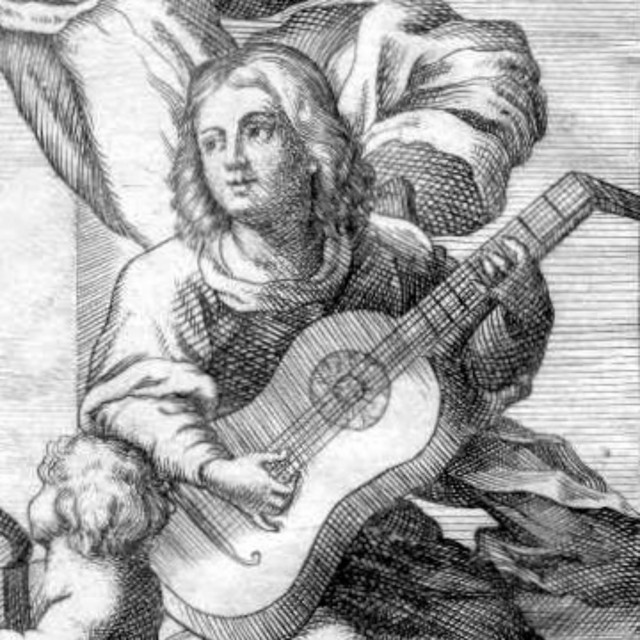
Instrumentally, the period is marked by a thriving vocal tradition enriched by guitar‑led accompaniment, plucked strings, and continuo textures. The guitar—particularly the classical land‑breathing of the Baroque guitar—became a signature Spanish timbre, with Gaspar Sanz standing as one of its most durable spokespeople. His Instrucción de Música sobre la Guitarra Española (published in 1674) and his characteristic Canarios reveal a national character: danceable rhythms, idiomatic guitar writing, and a sense of virtuoso display tempered by charm and wit. Other instrumental voices included organ, theorbo or lute, and a chorus tradition that could swell into grand ceremonial sound.
If you think of the repertoire as a map, the “ambassadors” of the genre are the composers who defined its heartbeat. Durón and Hidalgo anchor the early Spanish Baroque voice, with Literes carrying the zarzuela tradition forward into the 18th century. Nebra, another towering name, expanded the sacred and theatrical language as the century evolved. Taken together, these figures show a style that could illuminate a cathedral’s vast spaces and then pivot to the intimate theatre.
Geographically, Spanish Baroque was born in Spain and radiated into the wider Spanish-speaking world. Its strongest living legacy remains in Spain itself, but parallel lineages flourished in Latin America—especially in Mexico, Peru, Colombia, and Chile—where the form fused with local liturgical and theatrical practices. Today, early‑music ensembles and scholars around the world revive this repertoire, revealing a sound world that is at once devout, theatrical, and rhythmically vibrant.
In short, Spanish Baroque is a distinct, expressive strand of the Baroque tapestry: a bridge between polyphonic devotion and dramatic stagecraft, a music of solemn liturgies and lively stage works, and a repertoire that continues to fascinate enthusiasts through its unique Spanish voice.
A defining feature of Spanish Baroque is its blend of sacred and theatrical music. The sacred impulse remains strong—polyphonic motets, villancicos in liturgical settings, and large choral works—yet the era also gives birth to a robust, distinctly Spanish dramatic voice: the zarzuela. This genre, which integrates spoken dialogue with song, reflects a theatre of the streets and the court alike, and composers such as Sebastián Durón, Juan Hidalgo, and Antonio Literes are often cited as early architects of its Spanish idiom. Durón’s sacred concertato style and his transitional, dramatic sacred works helped fuse Moorish and Renaissance legacies with the new Baroque expressive toolkit. Hidalgo and Literes contributed lively, theatre‑driven pieces that foreshadow later Spanish operatic forms.
Instrumentally, the period is marked by a thriving vocal tradition enriched by guitar‑led accompaniment, plucked strings, and continuo textures. The guitar—particularly the classical land‑breathing of the Baroque guitar—became a signature Spanish timbre, with Gaspar Sanz standing as one of its most durable spokespeople. His Instrucción de Música sobre la Guitarra Española (published in 1674) and his characteristic Canarios reveal a national character: danceable rhythms, idiomatic guitar writing, and a sense of virtuoso display tempered by charm and wit. Other instrumental voices included organ, theorbo or lute, and a chorus tradition that could swell into grand ceremonial sound.
If you think of the repertoire as a map, the “ambassadors” of the genre are the composers who defined its heartbeat. Durón and Hidalgo anchor the early Spanish Baroque voice, with Literes carrying the zarzuela tradition forward into the 18th century. Nebra, another towering name, expanded the sacred and theatrical language as the century evolved. Taken together, these figures show a style that could illuminate a cathedral’s vast spaces and then pivot to the intimate theatre.
Geographically, Spanish Baroque was born in Spain and radiated into the wider Spanish-speaking world. Its strongest living legacy remains in Spain itself, but parallel lineages flourished in Latin America—especially in Mexico, Peru, Colombia, and Chile—where the form fused with local liturgical and theatrical practices. Today, early‑music ensembles and scholars around the world revive this repertoire, revealing a sound world that is at once devout, theatrical, and rhythmically vibrant.
In short, Spanish Baroque is a distinct, expressive strand of the Baroque tapestry: a bridge between polyphonic devotion and dramatic stagecraft, a music of solemn liturgies and lively stage works, and a repertoire that continues to fascinate enthusiasts through its unique Spanish voice.