Genre
spanish electropop
Top Spanish electropop Artists
Showing 25 of 31 artists
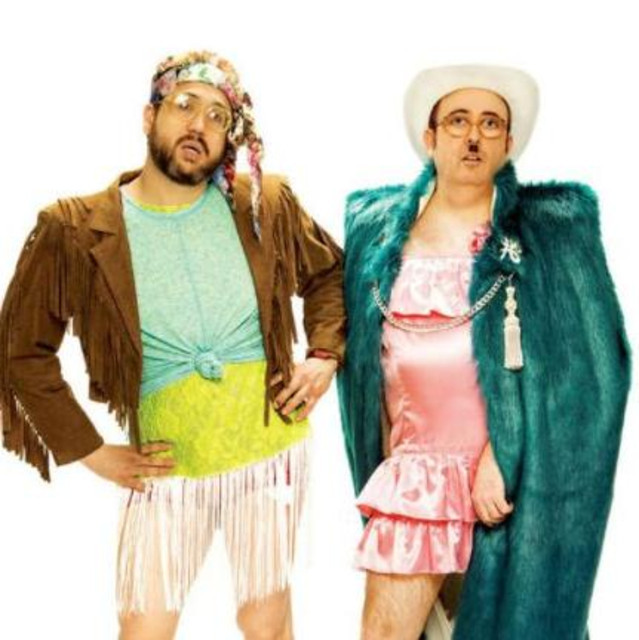

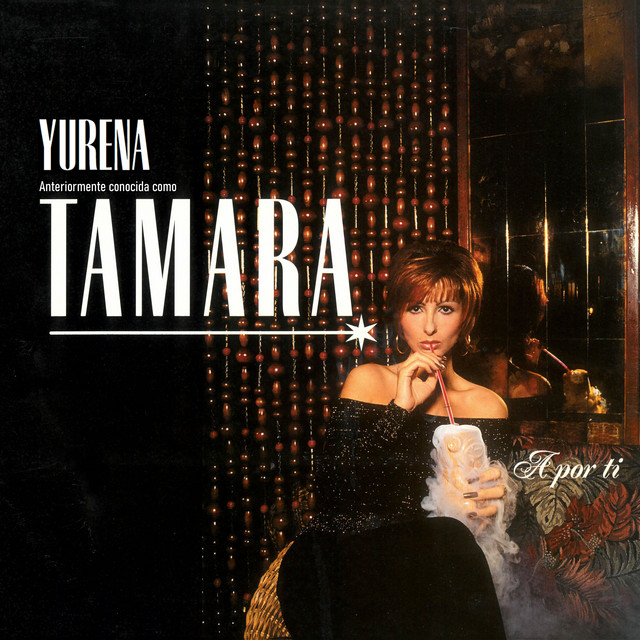

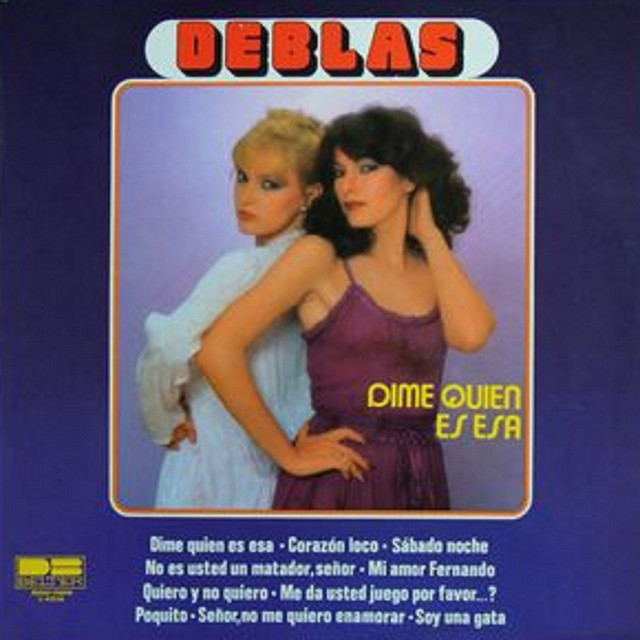
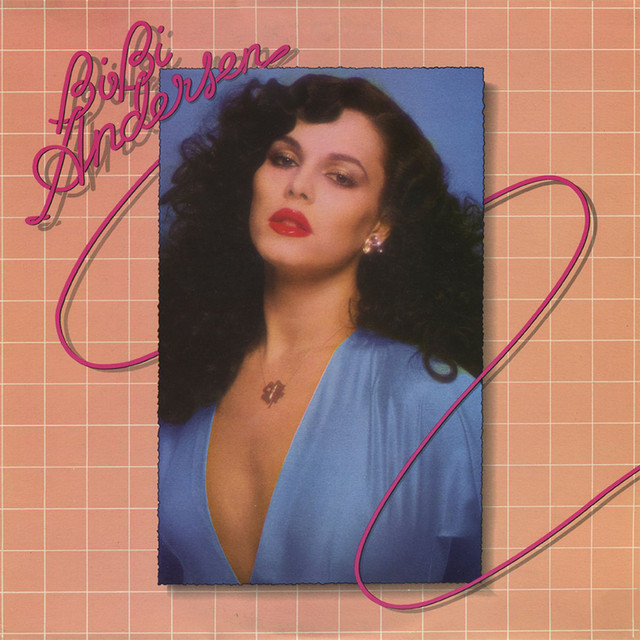


About Spanish electropop
Spanish electropop is a bright, glossy branch of pop that uses Spanish-language vocals to fuse vintage synth-pop textures with contemporary dance-floor energy. It sits at the crossroads of European club culture and Latin American melody, and it’s best defined by shimmering keyboards, punchy bass, and write-in-the-sky choruses.
Born out of the late 1990s and early 2000s, as Spanish and Latin artists absorbed the global electro-pop and indie electronic waves, this sound matured through Spain’s flourishing DIY scenes in Madrid and Barcelona and through the Basque and Catalan scenes as well. Producers and songwriter-singers began to treat synths as primary instruments, crafting melodic hooks with glossy reverbs and spare, propulsive grooves that stayed radio-friendly without surrendering edge.
The scene’s ambassadors arrived both in Spanish studios and on international stages. Delorean, a Basque-Spanish duo, became a touchstone for a late-2000s/early-2010s European synth-pop revival with a Subiza-era sound that fused jangly guitars, throbbing bass, and airy synth pads into tracks that sounded at once retro and forward-looking. La Casa Azul, the Barcelona project led by Guille Milkyway, fused candy-coated melodies with crystalline synths to produce a distinctly Spanish, endlessly catchy take on electro-pop that helped export the language-friendly version of the genre. Madrid-based Dorian offered a more poured, indie-electro approach, marrying elegant lyrics with compact synth lines and club-like rhythms, earning a devoted following across Europe and Latin America.
Beyond Spain, Spanish-language electropop nurtured talented acts across Latin America. Chile’s Javiera Mena established herself as a leading voice with a shimmering, sun-drenched electropop that married clever synth textures to intimate pop storytelling. Colombia’s Bomba Estéreo brought electro-cumbia influences that turned electronic music into danceable party music with a distinctly Latin flavor. Across the continent, many artists have braided traditional rhythms with modern synthesis, expanding the reach of Spanish electropop to audiences who crave both pop immediacy and club-ready propulsion.
Where is it most popular? The genre has strong footholds in Spain and in Latin American markets—Mexico, Argentina, Chile, and Colombia—where streaming platforms and festival circuits have long championed synth-driven pop in Spanish. In Europe and beyond, Spanish electropop often travels through the orbit of indie-electronic, dance-pop, and urban fusions, feeding into crossovers with reggaeton, trap, and techno textures.
In short, Spanish electropop embodies a fluent, international approach: it keeps the warmth and storytelling of Spanish-language pop while embracing the maximalist textures and rhythmic drive of electro. It remains a fertile ground for experimentation and remains a dependable heartbeat of modern, danceable Spanish-language music.
Lyric themes span the personal to the universal: love, memory, urban alienation, and the thrill of night driving—delivered in crisp, sometimes playful Spanish that invites sing-alongs. Production tends toward spacious choruses, metallic arpeggios, and rhythmic kick drums; synths range from retro 80s staples to modern digital textures. As streaming algorithms have blurred borders, Spanish electropop acts frequently partner with international collaborators, sing in both Spanish and English, and remix for club floors across Europe and Latin America. For newcomers, a good entry point is Delorean’s Subiza-era work, Dorian’s early albums, and Javiera Mena’s breezy pop-electronica, then explore newer acts and compilations from Primavera Sound and similar festivals.
Born out of the late 1990s and early 2000s, as Spanish and Latin artists absorbed the global electro-pop and indie electronic waves, this sound matured through Spain’s flourishing DIY scenes in Madrid and Barcelona and through the Basque and Catalan scenes as well. Producers and songwriter-singers began to treat synths as primary instruments, crafting melodic hooks with glossy reverbs and spare, propulsive grooves that stayed radio-friendly without surrendering edge.
The scene’s ambassadors arrived both in Spanish studios and on international stages. Delorean, a Basque-Spanish duo, became a touchstone for a late-2000s/early-2010s European synth-pop revival with a Subiza-era sound that fused jangly guitars, throbbing bass, and airy synth pads into tracks that sounded at once retro and forward-looking. La Casa Azul, the Barcelona project led by Guille Milkyway, fused candy-coated melodies with crystalline synths to produce a distinctly Spanish, endlessly catchy take on electro-pop that helped export the language-friendly version of the genre. Madrid-based Dorian offered a more poured, indie-electro approach, marrying elegant lyrics with compact synth lines and club-like rhythms, earning a devoted following across Europe and Latin America.
Beyond Spain, Spanish-language electropop nurtured talented acts across Latin America. Chile’s Javiera Mena established herself as a leading voice with a shimmering, sun-drenched electropop that married clever synth textures to intimate pop storytelling. Colombia’s Bomba Estéreo brought electro-cumbia influences that turned electronic music into danceable party music with a distinctly Latin flavor. Across the continent, many artists have braided traditional rhythms with modern synthesis, expanding the reach of Spanish electropop to audiences who crave both pop immediacy and club-ready propulsion.
Where is it most popular? The genre has strong footholds in Spain and in Latin American markets—Mexico, Argentina, Chile, and Colombia—where streaming platforms and festival circuits have long championed synth-driven pop in Spanish. In Europe and beyond, Spanish electropop often travels through the orbit of indie-electronic, dance-pop, and urban fusions, feeding into crossovers with reggaeton, trap, and techno textures.
In short, Spanish electropop embodies a fluent, international approach: it keeps the warmth and storytelling of Spanish-language pop while embracing the maximalist textures and rhythmic drive of electro. It remains a fertile ground for experimentation and remains a dependable heartbeat of modern, danceable Spanish-language music.
Lyric themes span the personal to the universal: love, memory, urban alienation, and the thrill of night driving—delivered in crisp, sometimes playful Spanish that invites sing-alongs. Production tends toward spacious choruses, metallic arpeggios, and rhythmic kick drums; synths range from retro 80s staples to modern digital textures. As streaming algorithms have blurred borders, Spanish electropop acts frequently partner with international collaborators, sing in both Spanish and English, and remix for club floors across Europe and Latin America. For newcomers, a good entry point is Delorean’s Subiza-era work, Dorian’s early albums, and Javiera Mena’s breezy pop-electronica, then explore newer acts and compilations from Primavera Sound and similar festivals.