Genre
spanish folk
Top Spanish folk Artists
Showing 14 of 14 artists


About Spanish folk
Spanish folk is a broad umbrella for the traditional music of Spain, a living tapestry woven from centuries of regional song, dance, and instrument traditions. It collects the country’s immense linguistic, geographic, and cultural variety—from the cantigas of medieval Galicia to the jota of Aragon, from the fandango of Andalusia to the sardana of Catalonia and the muñeira of Galicia’s coast. It also encompasses Basque, Valencian, and Canary Island idioms, each with distinctive scales, rhythms, and ensembles. In essence, Spanish folk music is about community soundtracks: work songs, harvest songs, festive dances, religious processions, and lullabies that travelers once carried along dusty roads.
Historically, the roots run deep. Medieval cantigas in Galician-Portuguese and other lyric forms laid the groundwork for a rich oral tradition. Moorish and Jewish musical influences mingled with native Iberian forms, creating hybrid textures that future generations refined. By the 18th and 19th centuries, market towns and countryside communities kept these tunes alive through regional dances and ceremonies. The Romantic nationalist impulse of the late 19th and early 20th centuries pushed folk into the concert hall and the recording studio. A landmark moment came with Manuel de Falla’s Canciones populares españolas (Songs of Spanish Popular Song), composed between 1914 and 1919. Falla collected and arranged traditional tunes for voice and piano (later orchestral), helping to canonize a repertoire that many Spaniards still recognize as quintessentially “folk.”
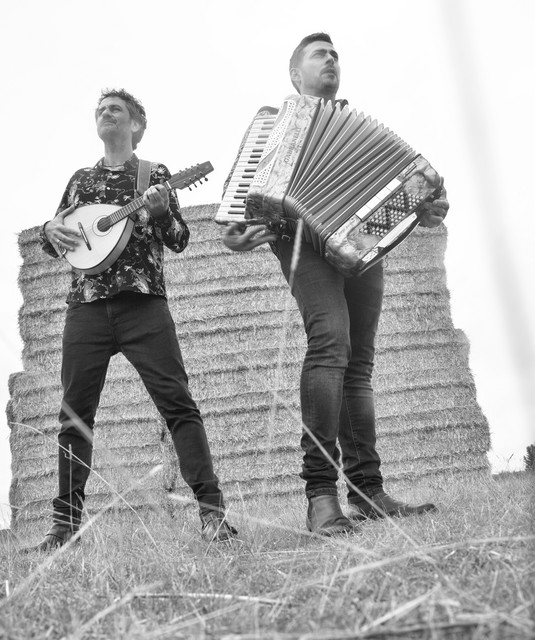
Rhythms and forms vary as widely as the landscapes. The jota drives with brisk, layered rhythms and stirring dances in Aragon, Castile, and nearby regions; the muñeira propels Galician baffles and tambourines with lilting, fast footwork; the fandango flourishes in several southern and eastern locales with a flirtatious, ringing cadence; the seguidilla and sazón rules the Castilian plains; the sardana gathers communities in a circle in Catalonia with a cobla brass front. Instruments range from guitar, bandurria, and laúd to bagpipes (in Galicia and Asturias), hurdy-gurdies, castanets, tambourines, and the Basque txistu and trikitixa. The sound world can be starkly elemental or richly orchestral when regional choirs, orchestras, and folk ensembles reinterpret the tradition.
Key ambassadors and contemporary torchbearers include a handful of groups and solo artists who have kept the fire alive and pushed it outward. On the Iberian Peninsula’s map, Galician and Basque artists have stood out: Carlos Núñez, a tireless ambassador of Galician folk and bagpipe-tone fusion who has helped bring Iberian traditions to international world-music audiences; and Kepa Junkera, the Basque trikitixa virtuoso whose improvisatory playing and collaborations have renewed interest in Basque roots. In Galicia, the ensemble Milladoiro became a touchstone for modern folk among many fans, bridging traditional tunes with contemporary arrangements. Across Spain and in diaspora communities, younger artists—who blend ancient melodies with contemporary textures—continue to renew the language, making Spanish folk a dynamic, evolving field rather than a museum piece.
Spanish folk remains most vibrant in Spain itself, especially in regional festivals, folk clubs, and live storytelling traditions. Its influence also travels beyond borders through world-music circuits and intercultural collaborations, inviting listeners to discover a tradition that is at once ancient and newly energized. For enthusiasts, Spanish folk offers a map of sound that is as much about memory and place as it is about rhythm and voice.
Historically, the roots run deep. Medieval cantigas in Galician-Portuguese and other lyric forms laid the groundwork for a rich oral tradition. Moorish and Jewish musical influences mingled with native Iberian forms, creating hybrid textures that future generations refined. By the 18th and 19th centuries, market towns and countryside communities kept these tunes alive through regional dances and ceremonies. The Romantic nationalist impulse of the late 19th and early 20th centuries pushed folk into the concert hall and the recording studio. A landmark moment came with Manuel de Falla’s Canciones populares españolas (Songs of Spanish Popular Song), composed between 1914 and 1919. Falla collected and arranged traditional tunes for voice and piano (later orchestral), helping to canonize a repertoire that many Spaniards still recognize as quintessentially “folk.”
Rhythms and forms vary as widely as the landscapes. The jota drives with brisk, layered rhythms and stirring dances in Aragon, Castile, and nearby regions; the muñeira propels Galician baffles and tambourines with lilting, fast footwork; the fandango flourishes in several southern and eastern locales with a flirtatious, ringing cadence; the seguidilla and sazón rules the Castilian plains; the sardana gathers communities in a circle in Catalonia with a cobla brass front. Instruments range from guitar, bandurria, and laúd to bagpipes (in Galicia and Asturias), hurdy-gurdies, castanets, tambourines, and the Basque txistu and trikitixa. The sound world can be starkly elemental or richly orchestral when regional choirs, orchestras, and folk ensembles reinterpret the tradition.
Key ambassadors and contemporary torchbearers include a handful of groups and solo artists who have kept the fire alive and pushed it outward. On the Iberian Peninsula’s map, Galician and Basque artists have stood out: Carlos Núñez, a tireless ambassador of Galician folk and bagpipe-tone fusion who has helped bring Iberian traditions to international world-music audiences; and Kepa Junkera, the Basque trikitixa virtuoso whose improvisatory playing and collaborations have renewed interest in Basque roots. In Galicia, the ensemble Milladoiro became a touchstone for modern folk among many fans, bridging traditional tunes with contemporary arrangements. Across Spain and in diaspora communities, younger artists—who blend ancient melodies with contemporary textures—continue to renew the language, making Spanish folk a dynamic, evolving field rather than a museum piece.
Spanish folk remains most vibrant in Spain itself, especially in regional festivals, folk clubs, and live storytelling traditions. Its influence also travels beyond borders through world-music circuits and intercultural collaborations, inviting listeners to discover a tradition that is at once ancient and newly energized. For enthusiasts, Spanish folk offers a map of sound that is as much about memory and place as it is about rhythm and voice.