Genre
spanish metal
Top Spanish metal Artists
Showing 25 of 36 artists









About Spanish metal
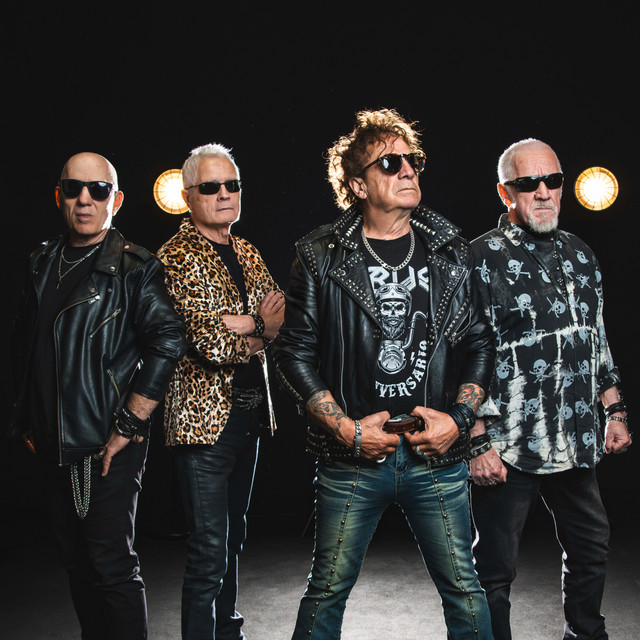
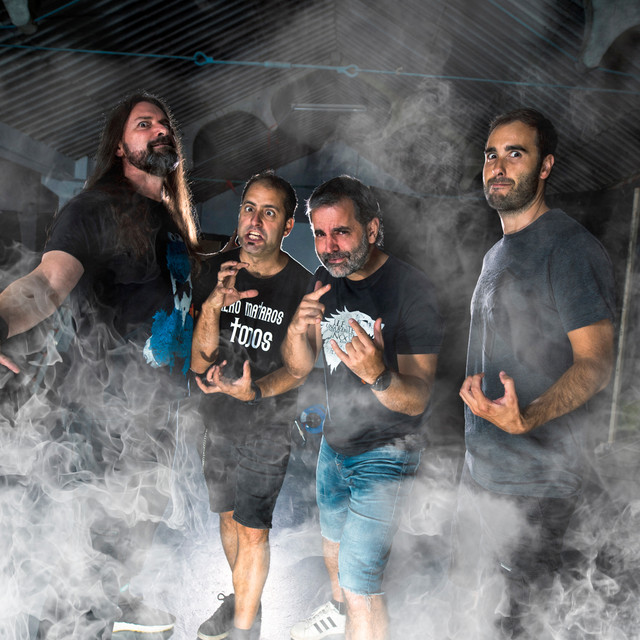
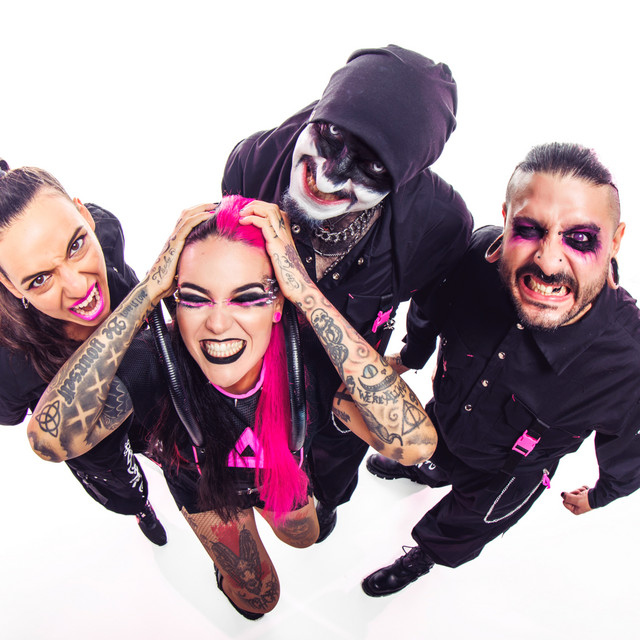
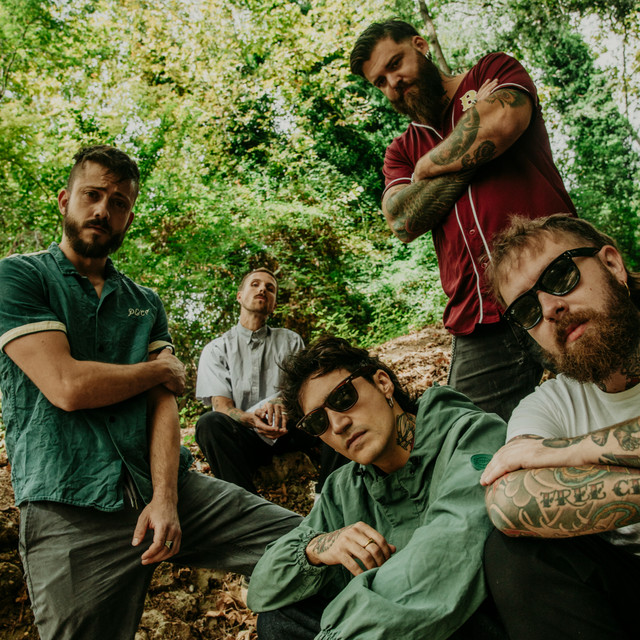
Spanish metal is the metal scene rooted in Spain and sung in Spanish, a diverse family that spans brutal speed and thrash, soaring power metal, and adventurous folk-infused subgenres. It’s a movement built on a strong national voice, with bands often addressing social themes, storytelling, and mythic imagery in their lyrics while embracing melodic hooks and technical prowess. The result is a sound that feels both distinctly Iberian and globally resonant, capable of thunderous riffing and delicate passages alike.
Origins trace back to the late 1970s and early 1980s, when Spain’s first wave of heavy metal bands—most notably Barón Rojo and Obús—started releasing records in Spanish, helping to establish a local audience at a moment when much of the metal world spoke English. These pioneers cultivated a distinctly Spanish approach to the genre, balancing aggressive guitar work with memorable choruses and a live-show intensity that would define the scene for decades. The 80s saw a growing national circuit—halls, clubs, and festivals where bands could develop a faithful following and push the music beyond regional borders. This era laid the blueprint for what would become a robust, officially recognized “Spanish metal.”
From the 1990s onward, the scene diversified in exciting ways. Power metal and its melodic siblings found particularly fertile ground: bands such as Saratoga and WarCry brought sweeping arrangements, fast guitars, and soaring vocal lines that appealed to fans across Europe. Avalanch and Dark Moor expanded the palette with orchestral textures and virtuoso solos, while Hamlet and Lujuria offered harder-edged forms of metal that kept the energy high. At the same time, Mägo de Oz popularized a distinctly Spanish folk-metal trajectory, weaving Celtic and traditional folk influences with metal brutality and theatrical live shows, often sung entirely in Spanish and featuring memorable concept-album storytelling.
Ambassadors of the genre include Barón Rojo as the elder statesmen who helped ignite the flame, and modern torchbearers like Mägo de Oz, Saratoga, WarCry, Hamlet, and Avalanch, each bringing their own flavor—from the epic and cinematic to the gritty and progressive. The Spanish scene is also notable for its festival culture; large gatherings like Leyendas del Rock and Resurrection Fest have become convergence points where Spanish acts share stages with international acts, helping to propel local bands onto the European and Latin American map.
Spanish metal finds its strongest footholds in Spain itself, where densely packed communities in Madrid, Barcelona, Valencia, and Galicia sustain a vibrant live circuit. Beyond the peninsula, it has a resonant impact in Latin America, especially in Mexico, Argentina, Chile, and Colombia, where Spanish-language metal fans share language, cultural touchstones, and a communal appetite for powerful, expressive music. In short, Spanish metal is a living, evolving scene—rooted in the past, fearless in the present, and continually expanding its reach through relentless touring, festival gigs, and new generations of bands willing to push the genre forward.
Origins trace back to the late 1970s and early 1980s, when Spain’s first wave of heavy metal bands—most notably Barón Rojo and Obús—started releasing records in Spanish, helping to establish a local audience at a moment when much of the metal world spoke English. These pioneers cultivated a distinctly Spanish approach to the genre, balancing aggressive guitar work with memorable choruses and a live-show intensity that would define the scene for decades. The 80s saw a growing national circuit—halls, clubs, and festivals where bands could develop a faithful following and push the music beyond regional borders. This era laid the blueprint for what would become a robust, officially recognized “Spanish metal.”
From the 1990s onward, the scene diversified in exciting ways. Power metal and its melodic siblings found particularly fertile ground: bands such as Saratoga and WarCry brought sweeping arrangements, fast guitars, and soaring vocal lines that appealed to fans across Europe. Avalanch and Dark Moor expanded the palette with orchestral textures and virtuoso solos, while Hamlet and Lujuria offered harder-edged forms of metal that kept the energy high. At the same time, Mägo de Oz popularized a distinctly Spanish folk-metal trajectory, weaving Celtic and traditional folk influences with metal brutality and theatrical live shows, often sung entirely in Spanish and featuring memorable concept-album storytelling.
Ambassadors of the genre include Barón Rojo as the elder statesmen who helped ignite the flame, and modern torchbearers like Mägo de Oz, Saratoga, WarCry, Hamlet, and Avalanch, each bringing their own flavor—from the epic and cinematic to the gritty and progressive. The Spanish scene is also notable for its festival culture; large gatherings like Leyendas del Rock and Resurrection Fest have become convergence points where Spanish acts share stages with international acts, helping to propel local bands onto the European and Latin American map.
Spanish metal finds its strongest footholds in Spain itself, where densely packed communities in Madrid, Barcelona, Valencia, and Galicia sustain a vibrant live circuit. Beyond the peninsula, it has a resonant impact in Latin America, especially in Mexico, Argentina, Chile, and Colombia, where Spanish-language metal fans share language, cultural touchstones, and a communal appetite for powerful, expressive music. In short, Spanish metal is a living, evolving scene—rooted in the past, fearless in the present, and continually expanding its reach through relentless touring, festival gigs, and new generations of bands willing to push the genre forward.