Genre
street band
Top Street band Artists
Showing 22 of 22 artists






About Street band
Street band is a living, moving sound that gathers the city’s brass, percussion, and voice into a portable chorus. It is not a single recipe but a family of ensembles that perform where the sidewalk meets the stage: plazas, markets, parades, and club fronts. The hallmark is immediacy: high-energy textures, call-and-response dynamics, and the democratizing thrill of music that can turn a corner into a stage.
Its roots lie in busking cultures and street-parading traditions. In New Orleans, late nineteenth- and early twentieth-century parades and second-line processions welded horns, drums, and dance into communal expression. Across the Americas and Europe, diaspora communities carried those street energies into neighborhoods and clubs, creating a loose, improvisational vocabulary that favors rhythm, groove, and collective invention. The modern badge “street band” crystallized in the late 1990s and 2000s as brass-band revivals and cross-genre street performances spread from New Orleans to New York, London, Paris, and beyond. The setup is deliberately portable: tubas and sousaphones, trumpets and trombones, drums, percussion and sometimes sax or clarinet, all designed to cut through ambient noise; the emphasis is on ensemble tightness, crowd interaction, and audacious groove.
Musically, street bands draw from jazz, funk, and hip-hop, while absorbing Afro-Latin, Balkan, and Caribbean influences. Their repertoires mix fresh original compositions with inventive covers and medleys that reimagine standards as street marches, wedding-band parables, or carnival choruses. They favor tight, punchy horn lines, syncopated drum figures, and call-and-response exchanges that invite dancers and pedestrians to participate. The aesthetic is not pristine studio polish but kinetic, in-the-moment energy—the kind of music that blares from a street corner and instantly redefines a block party.
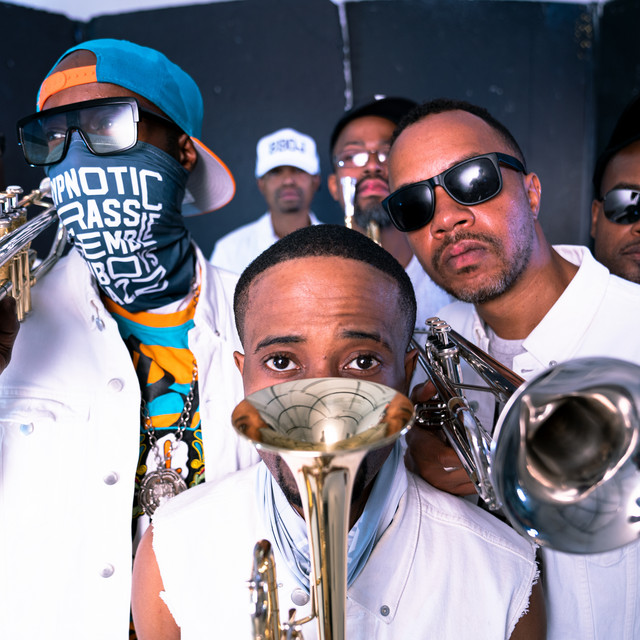
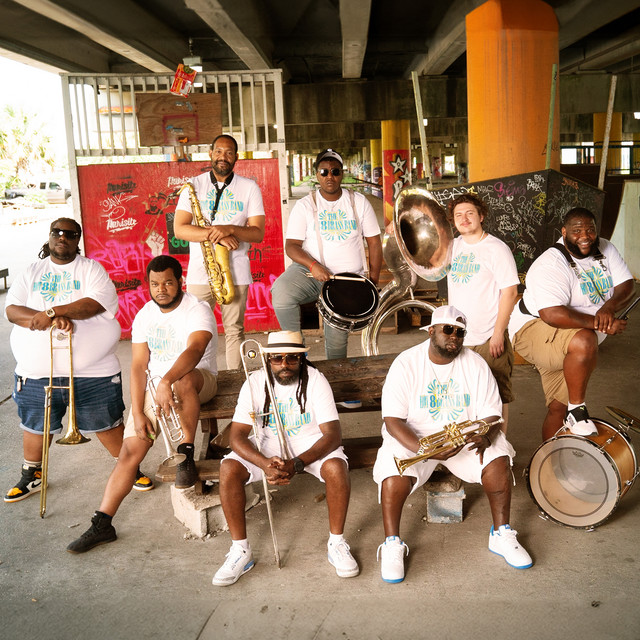
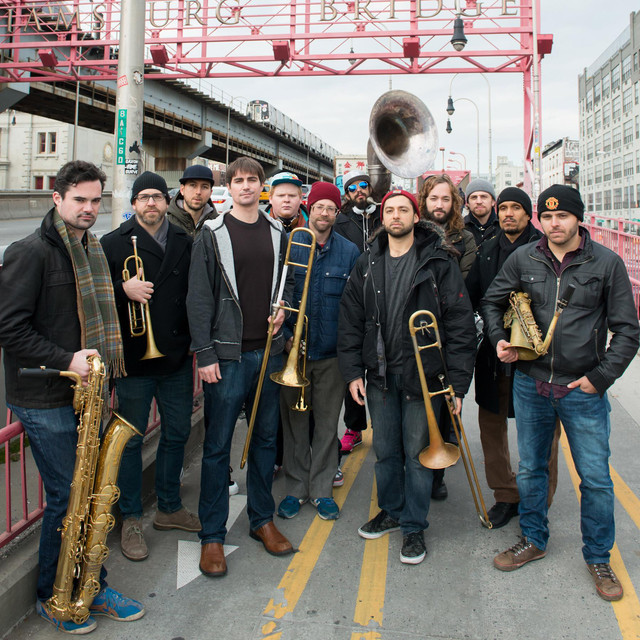
Several ambassadors have helped set the standard. In New Orleans, Rebirth Brass Band and The Dirty Dozen Brass Band helped fuse tradition with funk, hip-hop, and modern groove, becoming models for countless street-level ensembles. The Soul Rebels carry the same lineage into contemporary touring circuits, while Lucky Chops and similar NYC-based groups have popularized a high-energy, video-friendly street-band package suitable for clubs, festivals, and online audiences. In Europe and beyond, Balkan brass outfits such as Fanfare Ciocărlia and Boban i Marko Marković Orchestra expanded the street-band idea into roaring, crowd-driven brass spectacles that bounce between street corners and international stages. The effect is global: street bands perform in capitals and coastlines—from New Orleans and Chicago to London, Paris, Berlin, and the Balkans; in markets and carnivals across Latin America and the Caribbean; and in countless festival clusters where urban music cultures collide.
For enthusiasts, street bands offer a passport to an exhilarating cross-section of modern urban folklore: brass energy, communal improvisation, and a shared sense that music can be made anywhere, at any moment. Start with the New Orleans core, explore Balkan brass sorties, and then follow the contemporary NYC and European scenes—the street is the band’s true-room stage, and you’re invited to dance.
Its roots lie in busking cultures and street-parading traditions. In New Orleans, late nineteenth- and early twentieth-century parades and second-line processions welded horns, drums, and dance into communal expression. Across the Americas and Europe, diaspora communities carried those street energies into neighborhoods and clubs, creating a loose, improvisational vocabulary that favors rhythm, groove, and collective invention. The modern badge “street band” crystallized in the late 1990s and 2000s as brass-band revivals and cross-genre street performances spread from New Orleans to New York, London, Paris, and beyond. The setup is deliberately portable: tubas and sousaphones, trumpets and trombones, drums, percussion and sometimes sax or clarinet, all designed to cut through ambient noise; the emphasis is on ensemble tightness, crowd interaction, and audacious groove.
Musically, street bands draw from jazz, funk, and hip-hop, while absorbing Afro-Latin, Balkan, and Caribbean influences. Their repertoires mix fresh original compositions with inventive covers and medleys that reimagine standards as street marches, wedding-band parables, or carnival choruses. They favor tight, punchy horn lines, syncopated drum figures, and call-and-response exchanges that invite dancers and pedestrians to participate. The aesthetic is not pristine studio polish but kinetic, in-the-moment energy—the kind of music that blares from a street corner and instantly redefines a block party.
Several ambassadors have helped set the standard. In New Orleans, Rebirth Brass Band and The Dirty Dozen Brass Band helped fuse tradition with funk, hip-hop, and modern groove, becoming models for countless street-level ensembles. The Soul Rebels carry the same lineage into contemporary touring circuits, while Lucky Chops and similar NYC-based groups have popularized a high-energy, video-friendly street-band package suitable for clubs, festivals, and online audiences. In Europe and beyond, Balkan brass outfits such as Fanfare Ciocărlia and Boban i Marko Marković Orchestra expanded the street-band idea into roaring, crowd-driven brass spectacles that bounce between street corners and international stages. The effect is global: street bands perform in capitals and coastlines—from New Orleans and Chicago to London, Paris, Berlin, and the Balkans; in markets and carnivals across Latin America and the Caribbean; and in countless festival clusters where urban music cultures collide.
For enthusiasts, street bands offer a passport to an exhilarating cross-section of modern urban folklore: brass energy, communal improvisation, and a shared sense that music can be made anywhere, at any moment. Start with the New Orleans core, explore Balkan brass sorties, and then follow the contemporary NYC and European scenes—the street is the band’s true-room stage, and you’re invited to dance.