Genre
swamp pop
Top Swamp pop Artists
Showing 12 of 12 artists


About Swamp pop
Swamp pop is a Gulf Coast-born music genre that emerged in the mid-1950s along the Louisiana–Mississippi border. It grew out of a fertile crossroads where Cajun and Creole traditions met the rhythmic pulse of rhythm & blues, country, and early rock and roll. The result is a distinctly humid, melodic sound: soulful, often sultry vocals; piano or organ that can feel gospel-tinged; twangy guitars; occasional horns; and a groove that can swing with pop polish while carrying a swampy, dusky atmosphere. Swamp pop isn’t a rigid style but a mood and approach—melodic hooks married to emotional storytelling, sung with a sense of yearning or resilience that fits Louisiana’s storied landscapes.
The birth of swamp pop is deeply tied to the Gulf Coast’s music economy: studios and dance halls in and around Baton Rouge, Lafayette, New Orleans, and smaller river towns hosted a steady flow of local singers and bands who blended Creole and Cajun musical sensibilities with the black R&B traditions sweeping the country. Songs could drift from bright, danceable rhythms to slow, aching ballads in the same session, reflecting the region’s bilingual, multiracial cultural fabric. Producers prized strong melodies and memorable choruses, while the bayou atmosphere—water, weather, and longing—filtered into arrangements and vocal delivery.
In terms of sound, swamp pop sits between pop and roots music. It borrows the polish and catchiness of mainstream rock ’n’ roll and doo-wop, but lets the swamp and gospel influences seep through. Pianos and organs provide a warm, intimate layer; guitars range from crisp leads to moody licks; vocal lines can glide with tenderness or lunge with passion. Lyrically, the genre often centers on love’s complexities, heartache, and the stubborn dignity of life along the marshes and backroads. The result is music that invites you to two places at once: the dance floor and the porch, the bright city lights and the humid night by the water.
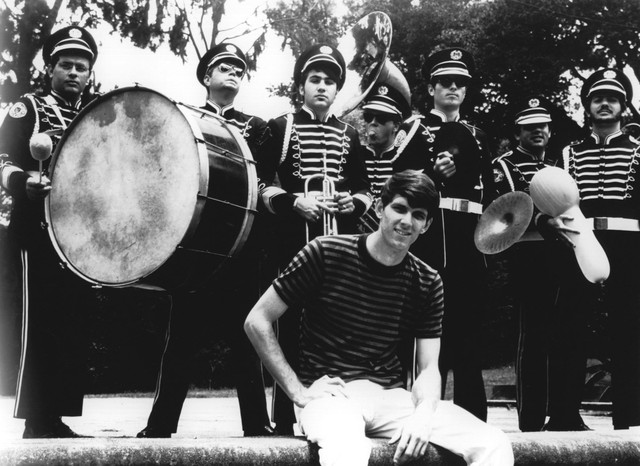
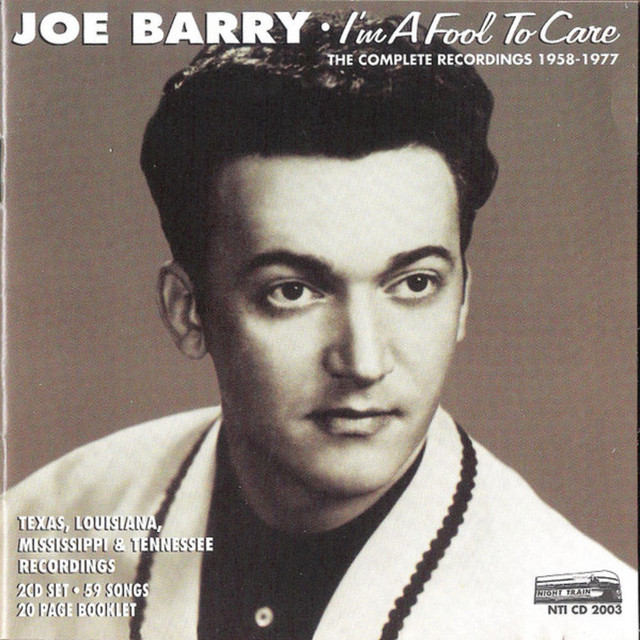
Pioneering figures are frequently cited as Bobby Charles, Joe Barry, and Warren Storm. These artists helped crystallize the sound in the late 1950s and early 1960s, balancing R&B immediacy with a Louisiana mood. From Baton Rouge to the broader Gulf Coast, their recordings fed a regional scene that valued craft and feeling as much as chart success. John Fred & His Playboy Band from Baton Rouge are often mentioned as part of the same ecosystem, bringing a pop-friendly sheen to music that retained swamp-pop sensibilities. The genre never dominated the international charts, but it earned a loyal, knowledgeable following and left a clear cultural imprint in Louisiana and nearby states. Its ambassadors—those who kept the style alive in studios, on radio, and at festivals—continue to inspire collectors and new listeners who prize a sophisticated blend of soul, country, and bayou poetry.
Today, swamp pop appeals to enthusiasts who seek roots music with character: a sense of place, a sound that’s both polished and earthbound, and an historical thread that links Cajun, Creole, and American R&B. For newcomers, dive into Gulf Coast compilations, vintage Louisiana radio shows, and contemporary revivals that reframe swamp pop with fresh arrangements while honoring its humid, heartfelt core.
The birth of swamp pop is deeply tied to the Gulf Coast’s music economy: studios and dance halls in and around Baton Rouge, Lafayette, New Orleans, and smaller river towns hosted a steady flow of local singers and bands who blended Creole and Cajun musical sensibilities with the black R&B traditions sweeping the country. Songs could drift from bright, danceable rhythms to slow, aching ballads in the same session, reflecting the region’s bilingual, multiracial cultural fabric. Producers prized strong melodies and memorable choruses, while the bayou atmosphere—water, weather, and longing—filtered into arrangements and vocal delivery.
In terms of sound, swamp pop sits between pop and roots music. It borrows the polish and catchiness of mainstream rock ’n’ roll and doo-wop, but lets the swamp and gospel influences seep through. Pianos and organs provide a warm, intimate layer; guitars range from crisp leads to moody licks; vocal lines can glide with tenderness or lunge with passion. Lyrically, the genre often centers on love’s complexities, heartache, and the stubborn dignity of life along the marshes and backroads. The result is music that invites you to two places at once: the dance floor and the porch, the bright city lights and the humid night by the water.
Pioneering figures are frequently cited as Bobby Charles, Joe Barry, and Warren Storm. These artists helped crystallize the sound in the late 1950s and early 1960s, balancing R&B immediacy with a Louisiana mood. From Baton Rouge to the broader Gulf Coast, their recordings fed a regional scene that valued craft and feeling as much as chart success. John Fred & His Playboy Band from Baton Rouge are often mentioned as part of the same ecosystem, bringing a pop-friendly sheen to music that retained swamp-pop sensibilities. The genre never dominated the international charts, but it earned a loyal, knowledgeable following and left a clear cultural imprint in Louisiana and nearby states. Its ambassadors—those who kept the style alive in studios, on radio, and at festivals—continue to inspire collectors and new listeners who prize a sophisticated blend of soul, country, and bayou poetry.
Today, swamp pop appeals to enthusiasts who seek roots music with character: a sense of place, a sound that’s both polished and earthbound, and an historical thread that links Cajun, Creole, and American R&B. For newcomers, dive into Gulf Coast compilations, vintage Louisiana radio shows, and contemporary revivals that reframe swamp pop with fresh arrangements while honoring its humid, heartfelt core.