Genre
swedish choir
Top Swedish choir Artists
Showing 15 of 15 artists




About Swedish choir
Sw Swedish choir is not a single fixed style, but a broad, living spectrum of choral music that grows out of Sweden’s long and deeply felt singing culture. It spans sacred polyphony inherited from the Lutheran tradition, through romantic, national-romantic songs, to contemporary a cappella and experimental choral writing. What ties it together is an instinct for luminous blend, precise intonation, and a willingness to treat the human voice as a flexible orchestra of color and texture.
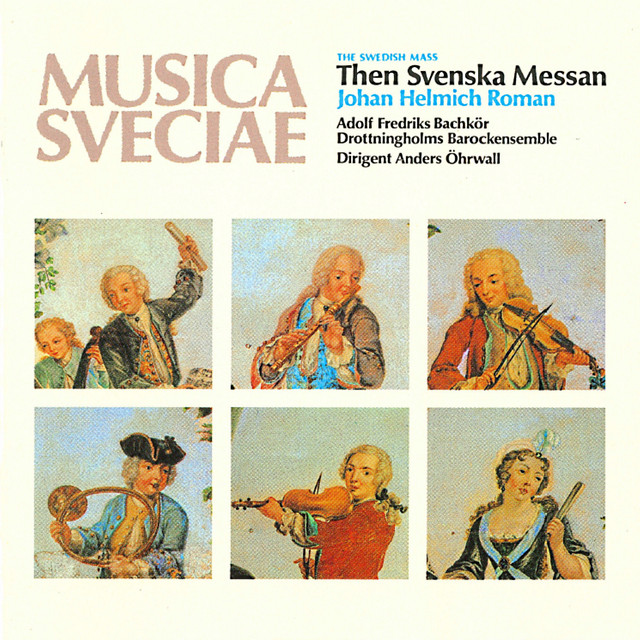
Historically, Swedish choral practice has its roots in church music and the communal song traditions that flourished after the Reformation. By the 18th century, Swedish composers began developing a national vocal idiom; Johan Helmich Roman, often called Sweden’s Handel, helped establish a language in which sacred and secular voices could speak with clarity and reach. In the 19th and early 20th centuries, a national romantic mood enriched choral writing, with composers such as Hugo Alfvén contributing works that married bright, open vowels to a strong sense of landscape and folklore. These centuries forged a culture of choirs—schools, churches, civic societies—that trained singers to pursue exemplary intonation, balance, and ensemble sound.
The modern Swedish choir scene really took shape in the latter half of the 20th century and beyond, when professional and amateur choirs embraced a wider repertoire and bolder sonic experiments. A central ambassador of this era is The Real Group, a Stockholm-based blue-ribbon a cappella ensemble formed in 1984. They brought Swedish choral technique to a global audience with tight, fast-paced arrangements, seamless blend, and a fearless approach to vocal rhythm and timbre. Alongside them, institutions and ensembles such as the Swedish Radio Choir and the Eric Ericson Chamber Choir became pillars of a contemporary Swedish choral aesthetic, known for technical polish, expressive communication, and commissions that expanded what a choir can do.
In terms of repertoire and composers, the tradition is lively and varied. Sven-David Sandström, a towering figure in late-20th-century choral music, pushed the limits of the choir with structural daring and dramatic storytelling. Karin Rehnqvist has written vividly for mixed and women’s voices, weaving Swedish folk melodies and contemporary harmonies into accessible, emotive works. Anders Hillborg and other Swedish composers continued to broaden choral language, inviting choirs to navigate intricate textures, micro-intervals, and expansive soundscapes. The result is a repertoire that can feel both intimate and monumental, from unaccompanied a cappella works to works for choir and orchestra.
Geographically, the core of Swedish choral life remains in Sweden and the Nordic region, helped by a strong domestic culture of choir education, festivals, and professional ensembles. Yet its appeal travels widely: Europe, North America, and increasingly Asia host Swedish choirs in concert series and festivals, drawn by the clarity of tone, the care for ensemble magic, and the sense of collective venturing that defines the genre. For enthusiasts, Swedish choir offers a captivating blend of reverence, precision, and adventurous spirit—an invitation to hear the human voice as both an instrument of tradition and a vehicle for contemporary invention.
Historically, Swedish choral practice has its roots in church music and the communal song traditions that flourished after the Reformation. By the 18th century, Swedish composers began developing a national vocal idiom; Johan Helmich Roman, often called Sweden’s Handel, helped establish a language in which sacred and secular voices could speak with clarity and reach. In the 19th and early 20th centuries, a national romantic mood enriched choral writing, with composers such as Hugo Alfvén contributing works that married bright, open vowels to a strong sense of landscape and folklore. These centuries forged a culture of choirs—schools, churches, civic societies—that trained singers to pursue exemplary intonation, balance, and ensemble sound.
The modern Swedish choir scene really took shape in the latter half of the 20th century and beyond, when professional and amateur choirs embraced a wider repertoire and bolder sonic experiments. A central ambassador of this era is The Real Group, a Stockholm-based blue-ribbon a cappella ensemble formed in 1984. They brought Swedish choral technique to a global audience with tight, fast-paced arrangements, seamless blend, and a fearless approach to vocal rhythm and timbre. Alongside them, institutions and ensembles such as the Swedish Radio Choir and the Eric Ericson Chamber Choir became pillars of a contemporary Swedish choral aesthetic, known for technical polish, expressive communication, and commissions that expanded what a choir can do.
In terms of repertoire and composers, the tradition is lively and varied. Sven-David Sandström, a towering figure in late-20th-century choral music, pushed the limits of the choir with structural daring and dramatic storytelling. Karin Rehnqvist has written vividly for mixed and women’s voices, weaving Swedish folk melodies and contemporary harmonies into accessible, emotive works. Anders Hillborg and other Swedish composers continued to broaden choral language, inviting choirs to navigate intricate textures, micro-intervals, and expansive soundscapes. The result is a repertoire that can feel both intimate and monumental, from unaccompanied a cappella works to works for choir and orchestra.
Geographically, the core of Swedish choral life remains in Sweden and the Nordic region, helped by a strong domestic culture of choir education, festivals, and professional ensembles. Yet its appeal travels widely: Europe, North America, and increasingly Asia host Swedish choirs in concert series and festivals, drawn by the clarity of tone, the care for ensemble magic, and the sense of collective venturing that defines the genre. For enthusiasts, Swedish choir offers a captivating blend of reverence, precision, and adventurous spirit—an invitation to hear the human voice as both an instrument of tradition and a vehicle for contemporary invention.