Genre
swedish death metal
Top Swedish death metal Artists
Showing 5 of 5 artists

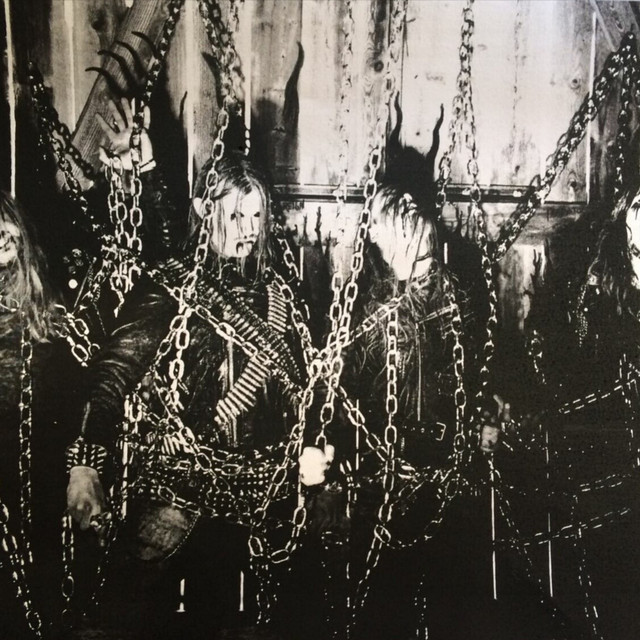
About Swedish death metal
Swedish death metal is a late-1980s–born force that helped redefine brutal metal with a distinctly Nordic edge. It grew from Stockholm’s underground, where a handful of bands pushed American death metal into a Swedish mold: heavier, downtuned guitars, stomping grooves, and a guitar tone often built around the infamous Boss HM-2 distortion that gave riffs a chainsaw rasp. The scene crystallized with Nihilist turning into Entombed, Dismember, Grave, and Unleashed releasing ruthless, unpolished records that sounded as much like a chainsaw in a forest as a metal album. Left Hand Path (Entombed, 1990) and Like an Ever Flowing Stream (Dismember, 1991) became touchstones, signaling a new, pragmatic brutality that emphasized mood, groove, and density over flashy virtuosity.
The early Swedish wave gave the world several enduring ambassadors. Entombed helped define the classic stamp of the scene with lugubrious, driving tempos and a compact, weight-forward approach. Dismember offered relentless, hook-laden riffs and a relentless sense of momentum. Grave contributed a scrappy, punk-inflected brutality, while Unleashed fused Viking-tinged themes with a no-nonsense death-metal backbone. Collectively, these bands forged a sound that could be crushingly direct yet intensely atmospheric, a blueprint that influenced countless euro and American groups throughout the 1990s and beyond.
By the mid-1990s a second, distinctly Swedish subcurrent began to emerge: the Gothenburg or melodic death metal sound. Bands like In Flames, At the Gates, and Dark Tranquillity blended brutal riffing with harmonized melodies, rapid guitar leads, and more expansive song structures. This “Gothenburg sound” retained the aggressive core of Swedish death metal but added memorable melodies, clean passages, and a greater emphasis on composition and atmosphere. Albums such as At the Gates’ Slaughter of the Soul (1995), Dark Tranquillity’s The Gallery (1995), and In Flames’ The Jester Race (1996) became blueprints for a subgenre that could be both ferocious and melodic, bridging traditional death metal with a more accessible, modern sensibility.
Production conventions evolved as well. The HM-2 tone remained a hallmark on many early records, but Swedish producers and bands increasingly pursued tighter, more dynamic mixes, clearer drums, and broader sonic textures without sacrificing the heaviness that defined the tradition. The result is a genre with deep roots in aggression and groove, yet capable of surprising beauty in its melodies and atmospheres—an interplay that continues to energize today’s Swedish acts and fans worldwide.
Today, Swedish death metal is most warmly received in Sweden and the broader Nordic region, but its footprint is global. It maintains strong followings in much of Europe and North America, with dedicated fanbases in Latin America and Japan as well. Festivals, labels, and bands keep the flame alive, proving that Sweden’s death metal heritage remains a living, evolving conversation between raw power and crafted melody.
The early Swedish wave gave the world several enduring ambassadors. Entombed helped define the classic stamp of the scene with lugubrious, driving tempos and a compact, weight-forward approach. Dismember offered relentless, hook-laden riffs and a relentless sense of momentum. Grave contributed a scrappy, punk-inflected brutality, while Unleashed fused Viking-tinged themes with a no-nonsense death-metal backbone. Collectively, these bands forged a sound that could be crushingly direct yet intensely atmospheric, a blueprint that influenced countless euro and American groups throughout the 1990s and beyond.
By the mid-1990s a second, distinctly Swedish subcurrent began to emerge: the Gothenburg or melodic death metal sound. Bands like In Flames, At the Gates, and Dark Tranquillity blended brutal riffing with harmonized melodies, rapid guitar leads, and more expansive song structures. This “Gothenburg sound” retained the aggressive core of Swedish death metal but added memorable melodies, clean passages, and a greater emphasis on composition and atmosphere. Albums such as At the Gates’ Slaughter of the Soul (1995), Dark Tranquillity’s The Gallery (1995), and In Flames’ The Jester Race (1996) became blueprints for a subgenre that could be both ferocious and melodic, bridging traditional death metal with a more accessible, modern sensibility.
Production conventions evolved as well. The HM-2 tone remained a hallmark on many early records, but Swedish producers and bands increasingly pursued tighter, more dynamic mixes, clearer drums, and broader sonic textures without sacrificing the heaviness that defined the tradition. The result is a genre with deep roots in aggression and groove, yet capable of surprising beauty in its melodies and atmospheres—an interplay that continues to energize today’s Swedish acts and fans worldwide.
Today, Swedish death metal is most warmly received in Sweden and the broader Nordic region, but its footprint is global. It maintains strong followings in much of Europe and North America, with dedicated fanbases in Latin America and Japan as well. Festivals, labels, and bands keep the flame alive, proving that Sweden’s death metal heritage remains a living, evolving conversation between raw power and crafted melody.