Genre
budots
Top Budots Artists
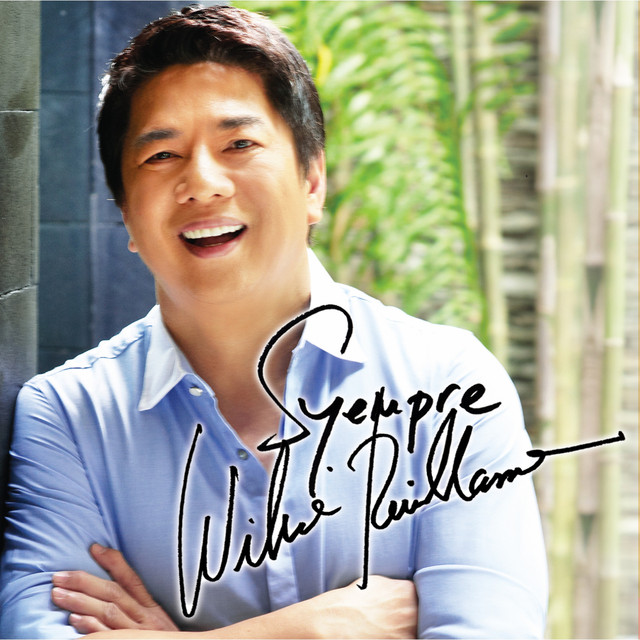
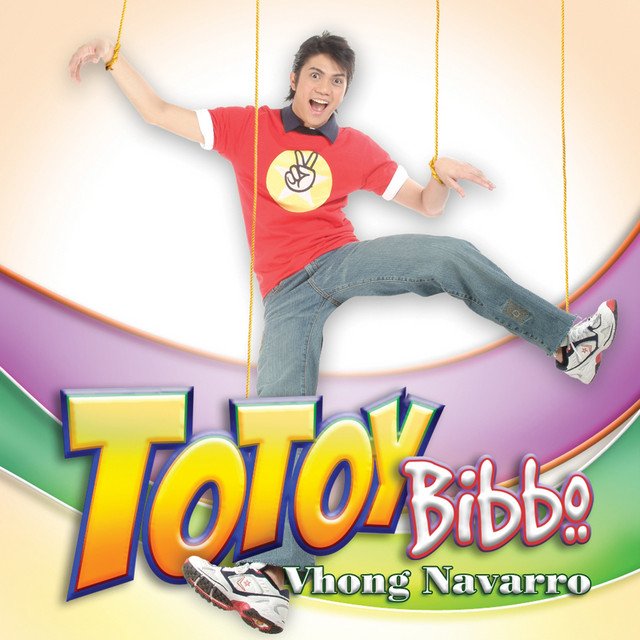
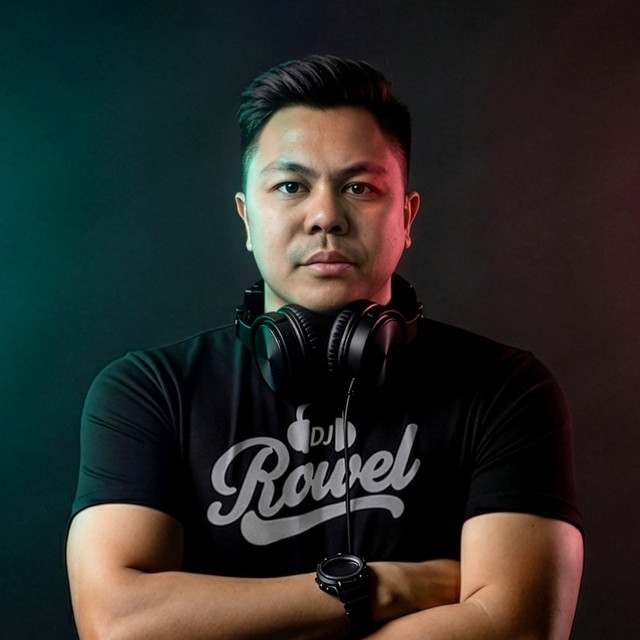
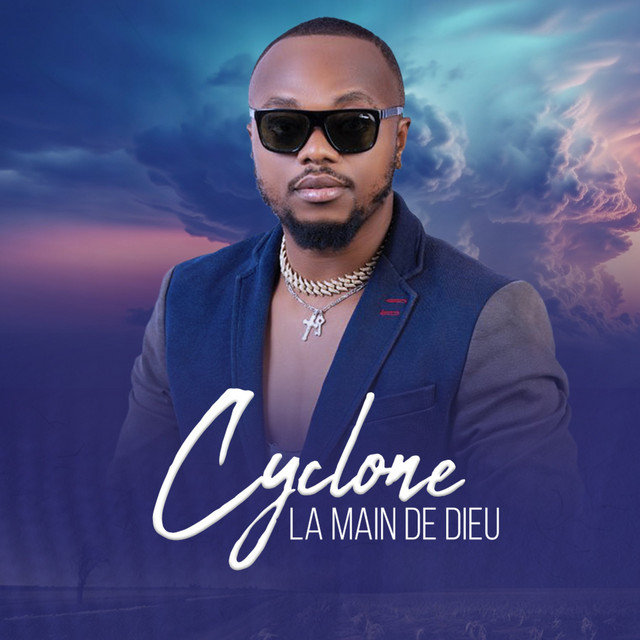
Showing 25 of 317 artists







About Budots
Budots is a distinctly Filipino electronic dance music phenomenon that blends punchy rhythm sections with playful, infectious melodies and a street-smart sense of humor. For music enthusiasts, it’s as much about the groove and the dance as it is about the lore surrounding its rise. Budots sits at the intersection of global club culture and local Filipino nightlife, thriving on community energy, improvisation, and a do-it-yourself spirit that turns casual jams into shared experiences.
Origins and birth
Budots began to take shape in the Philippines toward the end of the 1990s and into the early 2000s. Its earliest iterations were driven by club DJs and local dancers in urban centers where nightlife fused with emerging digital networks. While precise pinpointing varies by source, most accounts place its roots in the southern cities and in Manila’s burgeoning nightlife, where cheap hardware, street-corner gigs, and radio mixes created a fertile ground for a new, accessible form of electronic dance music. What characterizes those early days is a DIY mentality: producers repurposing existing samples, layering straightforward drum patterns, and crafting hooks that could be learned and duplicated on a dance floor or a street corner. By the 2010s, Budots had gained visibility online, spreading through video clips, remixes, and dance challenges that showcased its immediacy and humor.
Sound, form, and production
Sonic signatures of Budots include lean percussion, snappy kick patterns, and bright, often asextrinsic synth hooks that feel both electronic and instinctive. The production tends toward a lo-fi charm—things that sound immediate rather than polished—so tracks work well in clubs, open-air parties, and social videos alike. The genre favors hook-driven, repetitive motifs that invite immediate participation: people who hear it want to dance along and remix it on the spot. Budots tracks frequently incorporate playful samples or familiar pop-culture snippets, which contributes to its lively, meme-ready identity. The result is music that feels accessible and contagious, emphasizing rhythm and communal dance over studio-perfect precision.
Ambassadors, influencers, and key figures
Because Budots developed in local scenes and online communities, its most influential flag-bearers are less about a single canonical artist and more about a network of Filipino DJs, producers, and dance crews who popularized the sound across clubs, festivals, and social media. The genre has benefited from ambassadors who champion its spirit—sporadically mainstreaming it through radio sets, club nights, and viral video content—and from countless regional producers who continually push the sound forward. Rather than a fixed lineup, Budots’ ambassadors are a collective presence: people who keep the style alive by remixing, performing, and teaching the dance to new generations.
Geographic footprint and cultural footprint
Budots is most strongly associated with the Philippines, where it emerged and continues to thrive as part of the country’s vibrant club and dance culture. Its influence extends to Southeast Asia and Filipino diaspora communities worldwide, where it has found pockets of appreciation among enthusiasts curious about global subgenres and the ways local scenes reinterpret international templates. In recent years, Budots’ online presence and cross-cultural collaborations have helped it reach curious listeners in other regions, though its core remains rooted in Filipino street and club culture.
For music lovers, Budots offers a snapshot of a living, evolving scene: a genre born from accessibility and communal joy, growing through participatory dance, viral sharing, and an ongoing dialogue between local flavor and global electronic music.
Origins and birth
Budots began to take shape in the Philippines toward the end of the 1990s and into the early 2000s. Its earliest iterations were driven by club DJs and local dancers in urban centers where nightlife fused with emerging digital networks. While precise pinpointing varies by source, most accounts place its roots in the southern cities and in Manila’s burgeoning nightlife, where cheap hardware, street-corner gigs, and radio mixes created a fertile ground for a new, accessible form of electronic dance music. What characterizes those early days is a DIY mentality: producers repurposing existing samples, layering straightforward drum patterns, and crafting hooks that could be learned and duplicated on a dance floor or a street corner. By the 2010s, Budots had gained visibility online, spreading through video clips, remixes, and dance challenges that showcased its immediacy and humor.
Sound, form, and production
Sonic signatures of Budots include lean percussion, snappy kick patterns, and bright, often asextrinsic synth hooks that feel both electronic and instinctive. The production tends toward a lo-fi charm—things that sound immediate rather than polished—so tracks work well in clubs, open-air parties, and social videos alike. The genre favors hook-driven, repetitive motifs that invite immediate participation: people who hear it want to dance along and remix it on the spot. Budots tracks frequently incorporate playful samples or familiar pop-culture snippets, which contributes to its lively, meme-ready identity. The result is music that feels accessible and contagious, emphasizing rhythm and communal dance over studio-perfect precision.
Ambassadors, influencers, and key figures
Because Budots developed in local scenes and online communities, its most influential flag-bearers are less about a single canonical artist and more about a network of Filipino DJs, producers, and dance crews who popularized the sound across clubs, festivals, and social media. The genre has benefited from ambassadors who champion its spirit—sporadically mainstreaming it through radio sets, club nights, and viral video content—and from countless regional producers who continually push the sound forward. Rather than a fixed lineup, Budots’ ambassadors are a collective presence: people who keep the style alive by remixing, performing, and teaching the dance to new generations.
Geographic footprint and cultural footprint
Budots is most strongly associated with the Philippines, where it emerged and continues to thrive as part of the country’s vibrant club and dance culture. Its influence extends to Southeast Asia and Filipino diaspora communities worldwide, where it has found pockets of appreciation among enthusiasts curious about global subgenres and the ways local scenes reinterpret international templates. In recent years, Budots’ online presence and cross-cultural collaborations have helped it reach curious listeners in other regions, though its core remains rooted in Filipino street and club culture.
For music lovers, Budots offers a snapshot of a living, evolving scene: a genre born from accessibility and communal joy, growing through participatory dance, viral sharing, and an ongoing dialogue between local flavor and global electronic music.