Genre
swedish jazz orkester
Top Swedish jazz orkester Artists
Showing 25 of 37 artists

About Swedish jazz orkester
Swedish jazz orkester is a term that evokes a vibrant tradition of large-ensemble jazz in Sweden, blending disciplined melodic clarity with adventurous orchestration. The genre's roots lie in the postwar swing era when Swedish bands, led by figures such as Arne Domnérus and Thore Ehrling, began writing for bigger ensembles and touring beyond Stockholm. By the 1950s and 1960s, a distinctly Swedish take on the big band sound had taken shape—lighter in timbre than some American predecessors, but intricate in arrangement and rich in lyricism. The orientation was not only to swing but to integrate Swedish folk melodies, classical textures, and modernist improvisation into a coherent orchestral language.
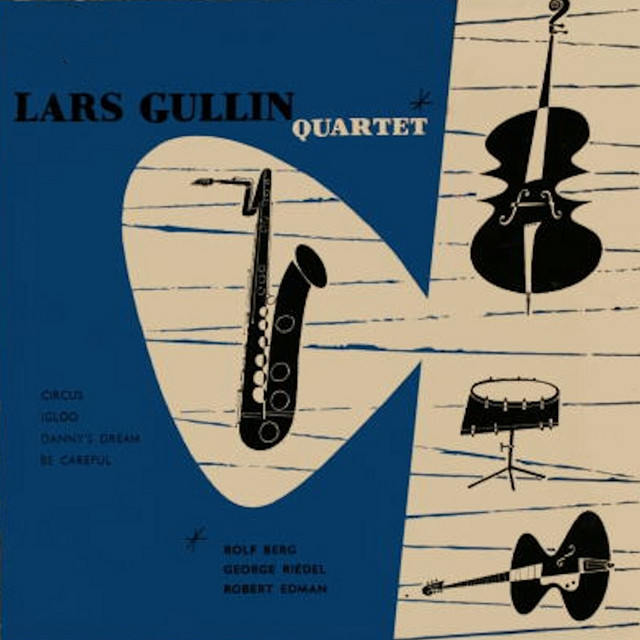
Key artists and ambassadors: Arne Domnérus is often cited as a founding voice, combining warm, singing lines with accessible swing. His collaborations with lyric winds and his leadership of celebrated bands helped define the sound. Bengt Hallberg’s piano voicings and Jan Allan’s trumpet brought a contemplative yet buoyant energy to the orchestra format. Lars Gullin, with his distinctive baritone sax voice, infused Swedish big-band music with a Swedish melancholy and direct swing that resonated across generations. Eje Thelin and other horn players added punch and character to large-ensemble projects in the 1960s and 70s, while the Swedish Radio Jazz Orchestra provided a national benchmark for ensembles and commissions.
In more recent decades, the Swedish big-band tradition has continued to evolve through composers and leaders who write for orchestras or large combos with orchestral textures. Esbjörn Svensson and his band e.s.t. did not belong to the big-band format, yet their chromatic lyricism, texture shifts, and adventurous ensemble writing helped reframe how Swedish jazz orchestration could speak to international audiences. Nils Landgren, a trombonist with a deep-rooted Swedish identity, has become an emblematic ambassador—crossing genres from funk to straight-ahead jazz and collaborating with orchestral projects that bring Swedish repertoire to a global stage.
Where is Swedish jazz orkester most popular? Sweden is the heartland, and the genre is most deeply rooted in the Nordic orbit—Norway, Denmark, Finland—where the emphasis on melodic invention and clean ensemble writing resonates with audiences and musicians alike. Beyond the Nordics, it has found appreciation in continental Europe—Germany, the Netherlands, France—and in Japan, where Nordic jazz has a loyal following. In the United States, interest tends to be niche but persistent among listeners who seek refined orchestral jazz with a Nordic sensibility.
The appeal of the Swedish jazz orkester lies in its balance: precise technique and warm, singable melodies in service of inventive arrangements. It invites jazz lovers to hear a national voice that can swing, shimmer, and wonder in the same long breath. Today, audiences encounter this language in festival sets, club premieres, and state-supported new-music commissions for large ensembles. In Sweden and across the Nordic circuit, the genre remains a healthy living tradition, with orchestras touring, composers writing for wind sections and strings, and young players studying this language in conservatories. The discography spans from classic 1950s big-band recordings to modern, textural works that explore rhythm, timbre, and space. It’s a sound that rewards attentive listening and repeat discoveries.
Key artists and ambassadors: Arne Domnérus is often cited as a founding voice, combining warm, singing lines with accessible swing. His collaborations with lyric winds and his leadership of celebrated bands helped define the sound. Bengt Hallberg’s piano voicings and Jan Allan’s trumpet brought a contemplative yet buoyant energy to the orchestra format. Lars Gullin, with his distinctive baritone sax voice, infused Swedish big-band music with a Swedish melancholy and direct swing that resonated across generations. Eje Thelin and other horn players added punch and character to large-ensemble projects in the 1960s and 70s, while the Swedish Radio Jazz Orchestra provided a national benchmark for ensembles and commissions.
In more recent decades, the Swedish big-band tradition has continued to evolve through composers and leaders who write for orchestras or large combos with orchestral textures. Esbjörn Svensson and his band e.s.t. did not belong to the big-band format, yet their chromatic lyricism, texture shifts, and adventurous ensemble writing helped reframe how Swedish jazz orchestration could speak to international audiences. Nils Landgren, a trombonist with a deep-rooted Swedish identity, has become an emblematic ambassador—crossing genres from funk to straight-ahead jazz and collaborating with orchestral projects that bring Swedish repertoire to a global stage.
Where is Swedish jazz orkester most popular? Sweden is the heartland, and the genre is most deeply rooted in the Nordic orbit—Norway, Denmark, Finland—where the emphasis on melodic invention and clean ensemble writing resonates with audiences and musicians alike. Beyond the Nordics, it has found appreciation in continental Europe—Germany, the Netherlands, France—and in Japan, where Nordic jazz has a loyal following. In the United States, interest tends to be niche but persistent among listeners who seek refined orchestral jazz with a Nordic sensibility.
The appeal of the Swedish jazz orkester lies in its balance: precise technique and warm, singable melodies in service of inventive arrangements. It invites jazz lovers to hear a national voice that can swing, shimmer, and wonder in the same long breath. Today, audiences encounter this language in festival sets, club premieres, and state-supported new-music commissions for large ensembles. In Sweden and across the Nordic circuit, the genre remains a healthy living tradition, with orchestras touring, composers writing for wind sections and strings, and young players studying this language in conservatories. The discography spans from classic 1950s big-band recordings to modern, textural works that explore rhythm, timbre, and space. It’s a sound that rewards attentive listening and repeat discoveries.