Genre
swedish progressive metal
Top Swedish progressive metal Artists
Showing 3 of 3 artists
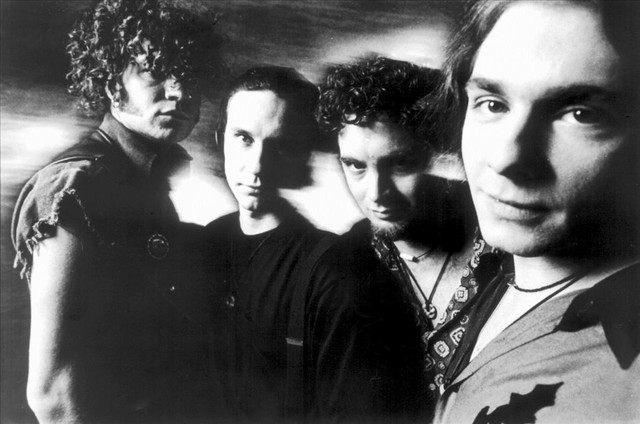
About Swedish progressive metal
Swedish progressive metal is a distinct strand of heavy music that grew out of Sweden’s late-1980s and early-1990s metal and rock scenes, where technical prowess met melodic atmosphere and existential lyricism. It arose at the confluence of Swedish death/doom and the country’s long-running fascination with progressive rock. Two widely cited catalysts are Opeth, who formed in Stockholm in 1990 and quickly fused brutal riffing with intricate song structures and acoustic interludes, and Meshuggah, who formed in Umeå in 1987 and pushed rhythm, complexity, and polymetric thinking to new extremes. From there, a broader ecosystem of bands carried the torch: Katatonia’s evolution from death-doom toward introspective, progressive textures; Pain of Salvation’s theatrical concept albums; Anekdoten’s vintage-prog influence; and later generations like Evergrey and Soen expanding the palette. The genre is often characterized by both ferocious technique and lush, contemplative moments, a balance that defines the Swedish approach to progressive metal.
What makes the Swedish variant stand out is its willingness to fuse intensity with atmosphere. Expect long-form tracks and albums that unfold like cinematic journeys, with dynamic shifts from brutal, riff-driven passages to fragile, melodic or even chamber-like passages. Viking-era metal ferocity can meet precision-driven rhythms, and keyboards or mellotron-like textures frequently braid with guitars to create expansive soundscapes. Lyrically, the tradition often browses themes of introspection, nature, mortality, and myth, underscored by a sense of melancholy that feels distinctly Nordic. The technical vocabulary is broad: odd time signatures, polyrhythms (a Meshuggah hallmark), sophisticated guitar harmonies, and, in many bands, a bold openness to jazz, classical, and folk-infused timbres. Some albums orbit heavy concept storytelling; others emphasize mood, groove, or sonic experiments.
Among the ambassadors, Opeth and Meshuggah anchor the scene internationally. Opeth’s transition from death metal roots to the expansive, multi-faceted albums of the 2000s—culminating in records like Blackwater Park and the more acoustic Damnation—illustrated how a Swedish band could weave brutality and beauty into a single arc. Meshuggah, meanwhile, inspired countless acts with its relentless rhythmic innovation, spawning a lineage of bands that foreground complexity and groove in equal measure. Other essential torchbearers include Katatonia, whose move from doom toward sleek progressive metal broadened the emotional palette; Pain of Salvation, whose ambitious conceptual storytelling pushed the boundaries of structure; Anekdoten, whose vintage-keyboard and guitar textures offered a retro-futurist flavor; and Evergrey, whose anthemic melodies and somber tone resonated with fans seeking emotional resonance within sophistication. The newer wave, such as Soen, continues to blend accessible vocal hooks with intricate, progressive foundations.
Geographically, while Sweden remains the backbone, the genre has found fertile audiences across Europe, North America, and Asia, particularly in markets with deep prog and metal traditions like Germany, the United Kingdom, the United States, Japan, and parts of Latin America. It thrives in dedicated media, festivals, and dedicated listener communities that celebrate the fusion of technical prowess, mood-laden composition, and European craftsmanship. Swedish progressive metal, in short, is a historic and evolving dialogue between brutality and beauty, rooted in a nation’s love for precise engineering and emotional depth.
What makes the Swedish variant stand out is its willingness to fuse intensity with atmosphere. Expect long-form tracks and albums that unfold like cinematic journeys, with dynamic shifts from brutal, riff-driven passages to fragile, melodic or even chamber-like passages. Viking-era metal ferocity can meet precision-driven rhythms, and keyboards or mellotron-like textures frequently braid with guitars to create expansive soundscapes. Lyrically, the tradition often browses themes of introspection, nature, mortality, and myth, underscored by a sense of melancholy that feels distinctly Nordic. The technical vocabulary is broad: odd time signatures, polyrhythms (a Meshuggah hallmark), sophisticated guitar harmonies, and, in many bands, a bold openness to jazz, classical, and folk-infused timbres. Some albums orbit heavy concept storytelling; others emphasize mood, groove, or sonic experiments.
Among the ambassadors, Opeth and Meshuggah anchor the scene internationally. Opeth’s transition from death metal roots to the expansive, multi-faceted albums of the 2000s—culminating in records like Blackwater Park and the more acoustic Damnation—illustrated how a Swedish band could weave brutality and beauty into a single arc. Meshuggah, meanwhile, inspired countless acts with its relentless rhythmic innovation, spawning a lineage of bands that foreground complexity and groove in equal measure. Other essential torchbearers include Katatonia, whose move from doom toward sleek progressive metal broadened the emotional palette; Pain of Salvation, whose ambitious conceptual storytelling pushed the boundaries of structure; Anekdoten, whose vintage-keyboard and guitar textures offered a retro-futurist flavor; and Evergrey, whose anthemic melodies and somber tone resonated with fans seeking emotional resonance within sophistication. The newer wave, such as Soen, continues to blend accessible vocal hooks with intricate, progressive foundations.
Geographically, while Sweden remains the backbone, the genre has found fertile audiences across Europe, North America, and Asia, particularly in markets with deep prog and metal traditions like Germany, the United Kingdom, the United States, Japan, and parts of Latin America. It thrives in dedicated media, festivals, and dedicated listener communities that celebrate the fusion of technical prowess, mood-laden composition, and European craftsmanship. Swedish progressive metal, in short, is a historic and evolving dialogue between brutality and beauty, rooted in a nation’s love for precise engineering and emotional depth.