Genre
swedish punk
Top Swedish punk Artists
Showing 6 of 6 artists



About Swedish punk
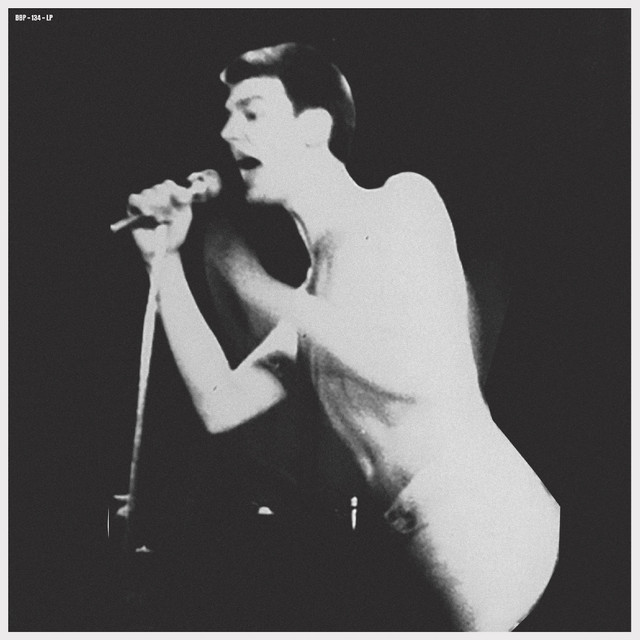
Swedish punk is the Swedish branch of the global punk movement, born in the late 1970s and coming into its own in the early 1980s. It inherited the DIY ethos, anti-establishment energy, and fast, aggressive rhythms of classic punk, but it quickly developed its own Swedish sensibility: direct, plainspoken lyrics in the local language, a fondness for punchy melodies, and a streetwise, community-driven culture. The scene grew up around cities like Stockholm, Gothenburg, and Malmö, where basement shows, independent labels, and fan-made fanzines created a robust underground network. The result was a distinctly Nordic flavor of punk—brutally honest, unflinching, and relentlessly energetic.
Musically, Swedish punk blends speed with melody. Songs tend to be short and punchy, with sharp guitar hooks, aggressive but intelligible vocals, and a rough, lo-fi charm that preserves the immediacy of the live experience. Lyrically, the tradition often leans into social critique, anti-authoritarian sentiment, and moments of vivid street-level storytelling. The Swedish language adds a blunt, intimate bite that can feel almost like a shout turned into poetry, making the messages feel personal and urgent rather than distant and stylized. Over the decades, the sound diversified—from raw, hardcore-influenced strains to more melodic, punk-rock iterations—yet the core energy remains punk’s hallmark: directness, speed, and a refusal to compromise.
Among the genre’s ambassadors, a few names are repeatedly cited as cornerstones. Ebba Grön is widely regarded as one of the most influential Swedish punk acts. Emerging in the late 1970s, they crystallized the political edge and communal spirit of the scene, delivering uncompromising messages with a blunt, catchable force that helped define Swedish punk’s early sound. Asta Kask followed as another formative act, known for its high-energy, stripped-down approach and for pushing the DIY ethic into a broader audience. In the 1990s and beyond, bands like Refused helped bring Swedish hardcore punk to international audiences, pushing the genre toward more complex structures and a broader emotional range while keeping the core intensity intact. In addition, groups associated with the melodic-punk and street-punk strands—often cited by fans as part of the Swedish punk continuum—continued to keep the flame alive in clubs and fanzines across the country.
Swedish punk isn’t only a Sweden story; it has resonated throughout the Nordics and into Europe, with scenes in neighboring countries absorbing the sound and attitude. In the modern era, the genre persists in underground circles via festivals, small venues, and online platforms that connect a global audience of enthusiasts. While it may not always dominate mainstream charts, it remains a vital reference point for those who prize authenticity, immediacy, and music that speaks plainly about real-world concerns.
For enthusiasts, Swedish punk offers a clear line from tight-knit basement shows to international dialogue about music, politics, and community. It’s a movement built on sweat, sincerity, and songs that bite back, delivered in a voice unmistakably Swedish. If you crave music that blends speed with candor, and a history you can feel in every riff, Swedish punk is a field ripe for exploration.
Musically, Swedish punk blends speed with melody. Songs tend to be short and punchy, with sharp guitar hooks, aggressive but intelligible vocals, and a rough, lo-fi charm that preserves the immediacy of the live experience. Lyrically, the tradition often leans into social critique, anti-authoritarian sentiment, and moments of vivid street-level storytelling. The Swedish language adds a blunt, intimate bite that can feel almost like a shout turned into poetry, making the messages feel personal and urgent rather than distant and stylized. Over the decades, the sound diversified—from raw, hardcore-influenced strains to more melodic, punk-rock iterations—yet the core energy remains punk’s hallmark: directness, speed, and a refusal to compromise.
Among the genre’s ambassadors, a few names are repeatedly cited as cornerstones. Ebba Grön is widely regarded as one of the most influential Swedish punk acts. Emerging in the late 1970s, they crystallized the political edge and communal spirit of the scene, delivering uncompromising messages with a blunt, catchable force that helped define Swedish punk’s early sound. Asta Kask followed as another formative act, known for its high-energy, stripped-down approach and for pushing the DIY ethic into a broader audience. In the 1990s and beyond, bands like Refused helped bring Swedish hardcore punk to international audiences, pushing the genre toward more complex structures and a broader emotional range while keeping the core intensity intact. In addition, groups associated with the melodic-punk and street-punk strands—often cited by fans as part of the Swedish punk continuum—continued to keep the flame alive in clubs and fanzines across the country.
Swedish punk isn’t only a Sweden story; it has resonated throughout the Nordics and into Europe, with scenes in neighboring countries absorbing the sound and attitude. In the modern era, the genre persists in underground circles via festivals, small venues, and online platforms that connect a global audience of enthusiasts. While it may not always dominate mainstream charts, it remains a vital reference point for those who prize authenticity, immediacy, and music that speaks plainly about real-world concerns.
For enthusiasts, Swedish punk offers a clear line from tight-knit basement shows to international dialogue about music, politics, and community. It’s a movement built on sweat, sincerity, and songs that bite back, delivered in a voice unmistakably Swedish. If you crave music that blends speed with candor, and a history you can feel in every riff, Swedish punk is a field ripe for exploration.