Genre
synthesizer
Top Synthesizer Artists
Showing 21 of 21 artists






About Synthesizer
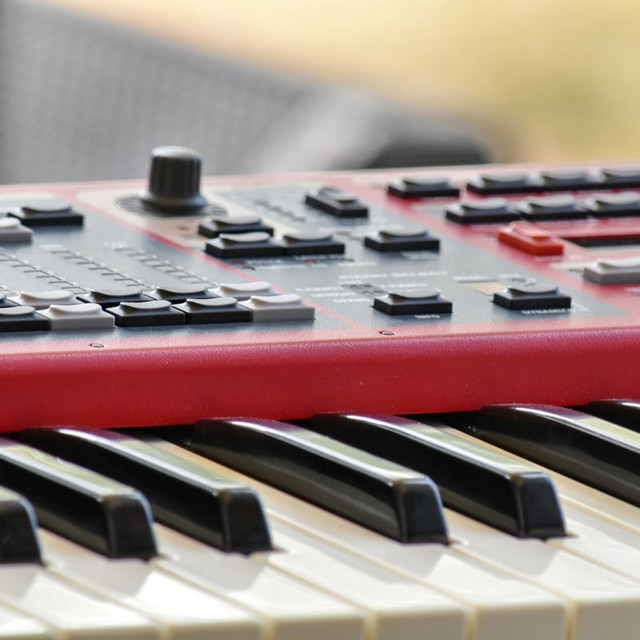
Synthesizer music is best described as the sound of an instrument becoming its own universe. A synthesizer is an electronic device that generates and shapes sound through oscillators, filters, and modulators, letting artists sculpt anything from moonlit pads to razor-edged bass and stadium-sized synth leads. When people speak of a “synthesizer” genre, they’re really talking about a landscape—a spectrum of styles built around electronic timbres, sequenced patterns, and the idea that texture can be as important as melody.
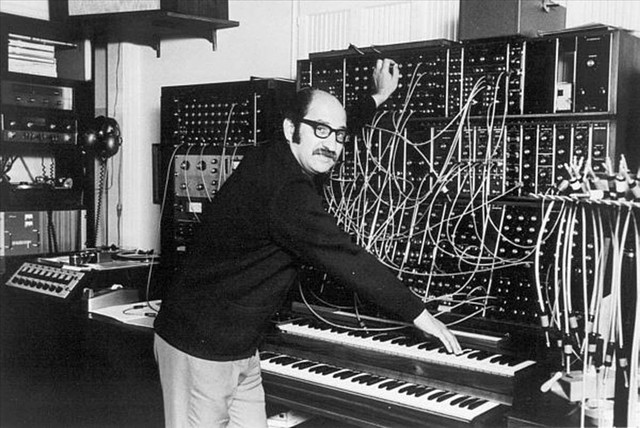
Origins and early champions trace to the late 1960s, when affordable, playable analog synths appeared and artists began to experiment with machine-made timbres as musical building blocks. The Moog and the Buchla systems, followed by the ARP and others, opened doors to sounds that could no longer be produced with traditional acoustic instruments alone. A watershed moment came with Wendy Carlos’s Switched-On Bach (1968), which demonstrated that synthesizers could carry classical repertoire with astonishing clarity. From there, electronic studios proliferated, and a generation of composers and performers began turning synthetic sound into a cultural force.
By the 1970s, a distinctly European strand crystalized. Kraftwerk, based in Germany, helped fuse science-fiction futurism with pop songcraft, turning robotic timbres into art-pop essentials. In the ambient and space-maga world, Tangerine Dream and Klaus Schulze explored expansive textures, while Jean-Michel Jarre popularized spectacular, synth-driven live shows. In film scores, Vangelis’s lush, cinematic synthesis reshaped what a soundtrack could feel like. These acts elevated the synthesizer from studio curiosity to a primary instrument of expression.
The 1980s turbocharged the genre’s reach. The advent of affordable, programmable digital oscillators—most famously the Yamaha DX7—brought FM synthesis into mainstream pop and rock, yielding bell-like keys, percussive digital tones, and instantly iconic chord textures. Synth-driven pop and new wave exploded: Depeche Mode, Pet Shop Boys, Yazoo, and New Order turned keyboards and sequencers into the backbone of hit records. The Roland TB-303 and other bassline machines spawned new subgenres such as acid house, while electro and synthpop forged an enduring connection between fashion, club culture, and bright, futuristic sounds.
In the following decades, software synths and virtual instruments democratized creation. DAWs, plugin synths, and modular setups let artists layer complex, evolving tones without expensive hardware. Across genres—electronic, ambient, techno, house, trance, and film scoring—producers explore every corner of timbre: glassy plucks, gritty analog warmth, and otherworldly atmospheres.
Synthetist ambassadors span continents. Germany’s Kraftwerk helped define the movement; the UK’s synthpop and later big-beat communities pushed the sound into everyday life; France’s Jean-Michel Jarre popularized massive electronic outdoors concerts; Japan’s Yellow Magic Orchestra fused pop with advanced synthesis. In contemporary terms, figures like Aphex Twin, Daft Punk, Deadmau5, and countless producers keep pushing the envelope, proving that a synthesizer is not a relic but a living engine of discovery.
Today, synthesizer music is a global conversation—in studios, clubs, and cinema—continuously evolving as new hardware and software reveal fresh sonic frontiers. It’s a genre defined not by a single instrument, but by the limitless possibilities that one machine can unlock.
Origins and early champions trace to the late 1960s, when affordable, playable analog synths appeared and artists began to experiment with machine-made timbres as musical building blocks. The Moog and the Buchla systems, followed by the ARP and others, opened doors to sounds that could no longer be produced with traditional acoustic instruments alone. A watershed moment came with Wendy Carlos’s Switched-On Bach (1968), which demonstrated that synthesizers could carry classical repertoire with astonishing clarity. From there, electronic studios proliferated, and a generation of composers and performers began turning synthetic sound into a cultural force.
By the 1970s, a distinctly European strand crystalized. Kraftwerk, based in Germany, helped fuse science-fiction futurism with pop songcraft, turning robotic timbres into art-pop essentials. In the ambient and space-maga world, Tangerine Dream and Klaus Schulze explored expansive textures, while Jean-Michel Jarre popularized spectacular, synth-driven live shows. In film scores, Vangelis’s lush, cinematic synthesis reshaped what a soundtrack could feel like. These acts elevated the synthesizer from studio curiosity to a primary instrument of expression.
The 1980s turbocharged the genre’s reach. The advent of affordable, programmable digital oscillators—most famously the Yamaha DX7—brought FM synthesis into mainstream pop and rock, yielding bell-like keys, percussive digital tones, and instantly iconic chord textures. Synth-driven pop and new wave exploded: Depeche Mode, Pet Shop Boys, Yazoo, and New Order turned keyboards and sequencers into the backbone of hit records. The Roland TB-303 and other bassline machines spawned new subgenres such as acid house, while electro and synthpop forged an enduring connection between fashion, club culture, and bright, futuristic sounds.
In the following decades, software synths and virtual instruments democratized creation. DAWs, plugin synths, and modular setups let artists layer complex, evolving tones without expensive hardware. Across genres—electronic, ambient, techno, house, trance, and film scoring—producers explore every corner of timbre: glassy plucks, gritty analog warmth, and otherworldly atmospheres.
Synthetist ambassadors span continents. Germany’s Kraftwerk helped define the movement; the UK’s synthpop and later big-beat communities pushed the sound into everyday life; France’s Jean-Michel Jarre popularized massive electronic outdoors concerts; Japan’s Yellow Magic Orchestra fused pop with advanced synthesis. In contemporary terms, figures like Aphex Twin, Daft Punk, Deadmau5, and countless producers keep pushing the envelope, proving that a synthesizer is not a relic but a living engine of discovery.
Today, synthesizer music is a global conversation—in studios, clubs, and cinema—continuously evolving as new hardware and software reveal fresh sonic frontiers. It’s a genre defined not by a single instrument, but by the limitless possibilities that one machine can unlock.